
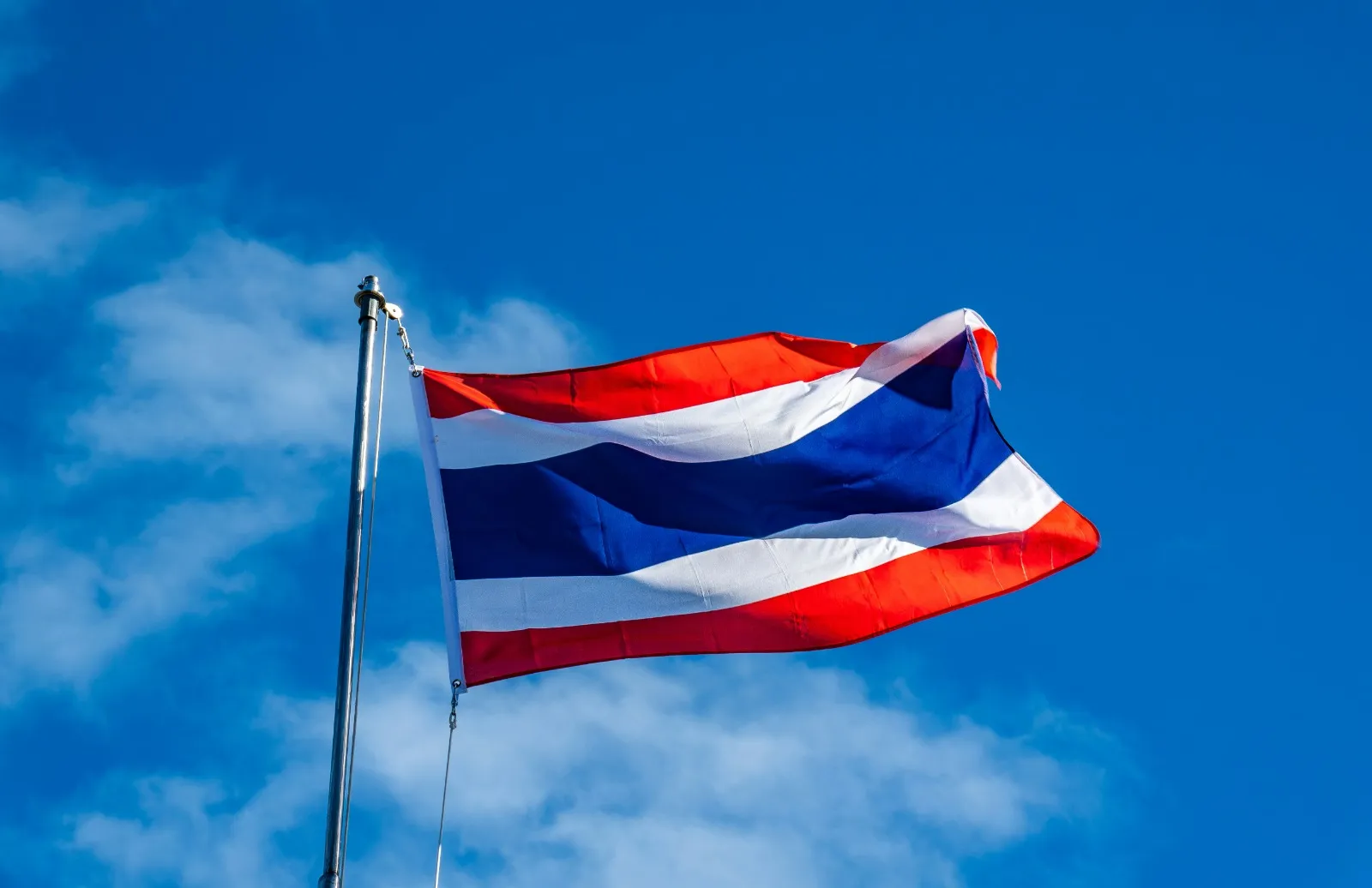
Thailand Guidebook
If “you are coming to Thailand for the first time,” then this guidebook below is for you. It includes pre-trip planning, budgeting, visa requirements, and the best recommendations for your packing list. It also covers route planning, Bangkok airport information, and modes of transportation for both local and inter-city travel. Furthermore, it includes day-to-day planning for around two weeks, places to visit, a suggested travel route, dos and don’ts, and safety tips.
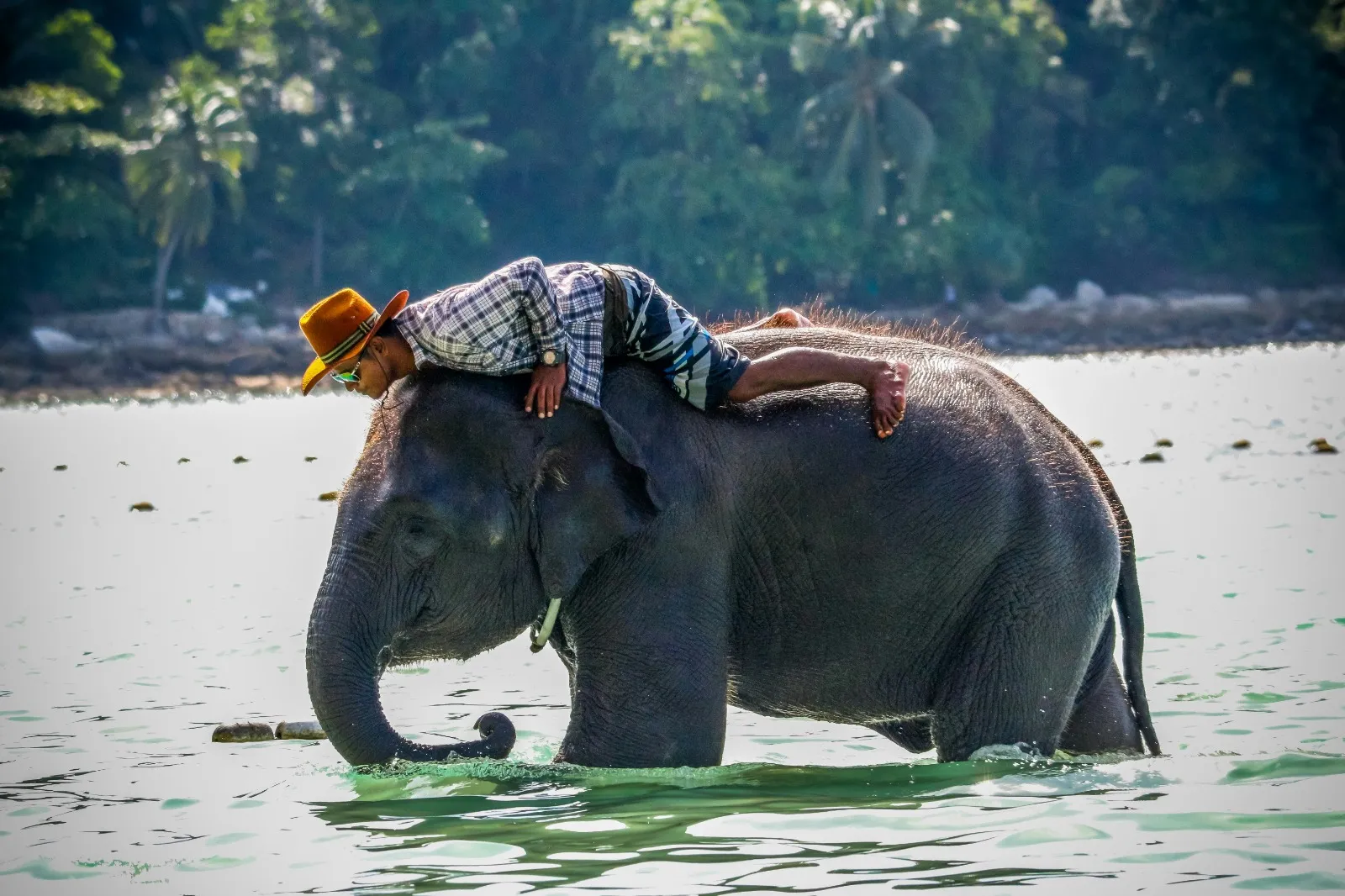
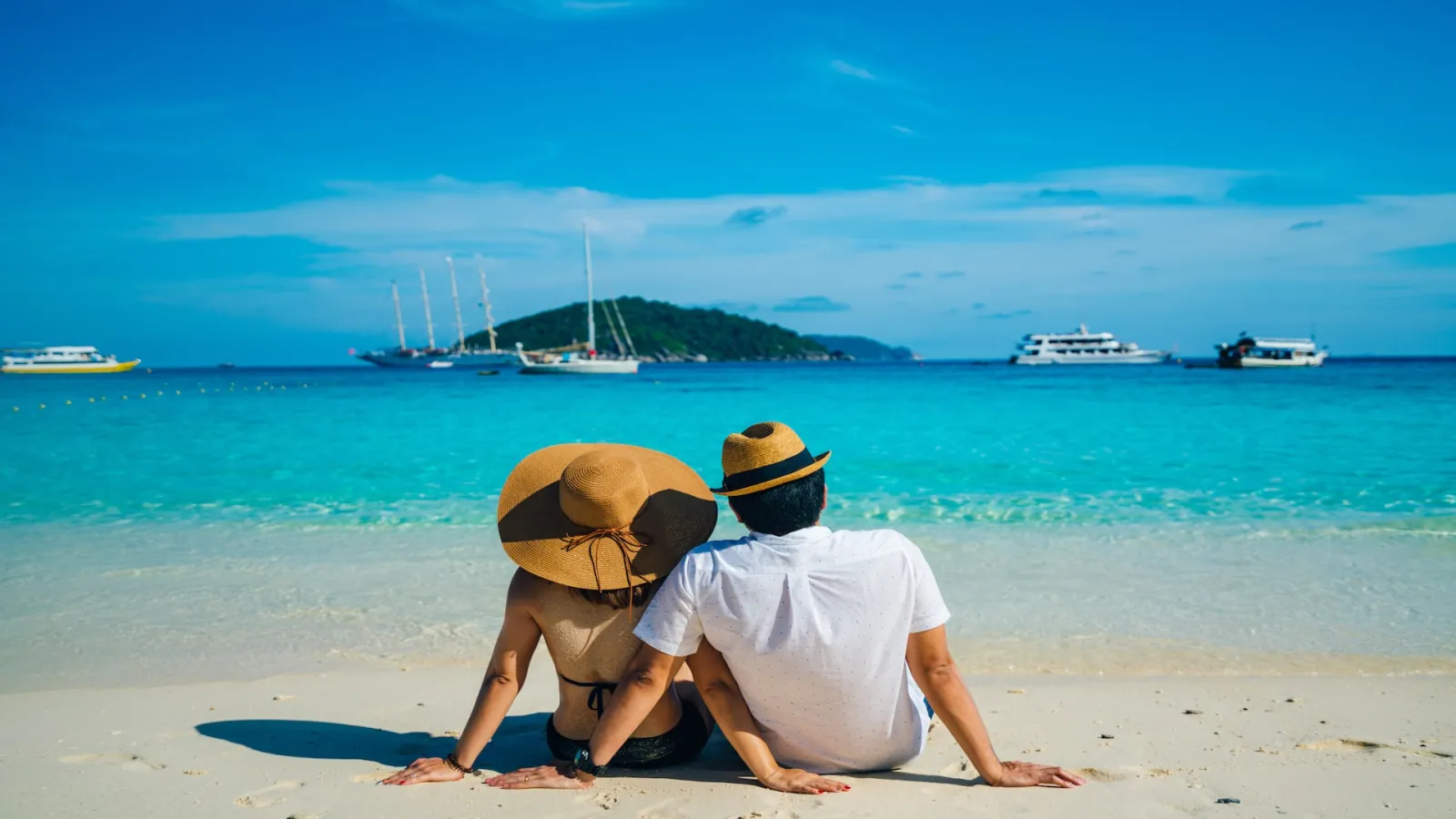
Thailand is one of the best places for a “honeymoon” and family trips, as there are many destinations here that are well known for couples’ visits.
Most of the population (93%) of Thailand is Buddhist, but interestingly, the country is also well known for being Muslim-friendly.
Table of Contents
1. Pre-Trip Planning for the Land of Smiles
I. Best Time to Visit
II. Visa & Entry Requirements
III. Budgeting 101
IV. Packing List
2. Logistics: Getting Around
I. Arriving in Bangkok
II. Domestic Travel & City Transport
3. The Itinerary: A Classic 2-Week Route
I. Phase 1: The Bustling Capital (Bangkok – 3 Days)
• The Grand Palace & Wat Pho (Reclining Buddha)
• Street Food in Chinatown (Yaowarat)
• Day Trip to the Ancient Ruins of Ayutthaya
II. Phase 2: Culture & Nature (Chiang Mai – 4 Days)
• Temple Hopping: Wat Phra That Doi Suthep
• Ethical Elephant Encounters: Choosing a Reputable Sanctuary
• The Famous Night Bazaar & Thai Cooking Classes
III. Phase 3: Island Paradise (Phuket or Krabi – 7 Days)
• Phuket
• Krabi
4. Key Cultural Etiquette & Tips
5. Health & Safety
1. Pre-Trip Planning for the ‘Land of Smiles’
Once you have decided to visit Thailand, it is also important to know the best time to explore this tropical country, which has three seasons in a year.
Best Time to Visit
Thailand is saucer-shaped, mostly hilly, with shallow lakes, and is well known for its stunning beaches. Thailand is open to tourists throughout the year. It has three weather seasons:
-
Dry Season (November to February)
-
Hot Season (March to May)
-
Rainy Season (June to October)
The peak traveling season is the Dry or Cool season (November to February) because the temperature is pleasant with less humidity, and most of Thailand’s iconic festivals take place during this time. Water games, lantern releases, and flower parades are world-famous events.
The hot season is best for beach lovers, but city tours can be quite difficult because the outdoor temperature exceeds 100°F.
In the rainy or monsoon season, the number of international tourists is lower. Overall, it is less crowded, and the rates for accommodation, transport, and food are lower. It is the best time to visit for budget travelers.
Tip: Avoid March and April, as the temperature is very high with intense humidity. It is also one of the hottest periods of the year.
Visa & Entry Requirements
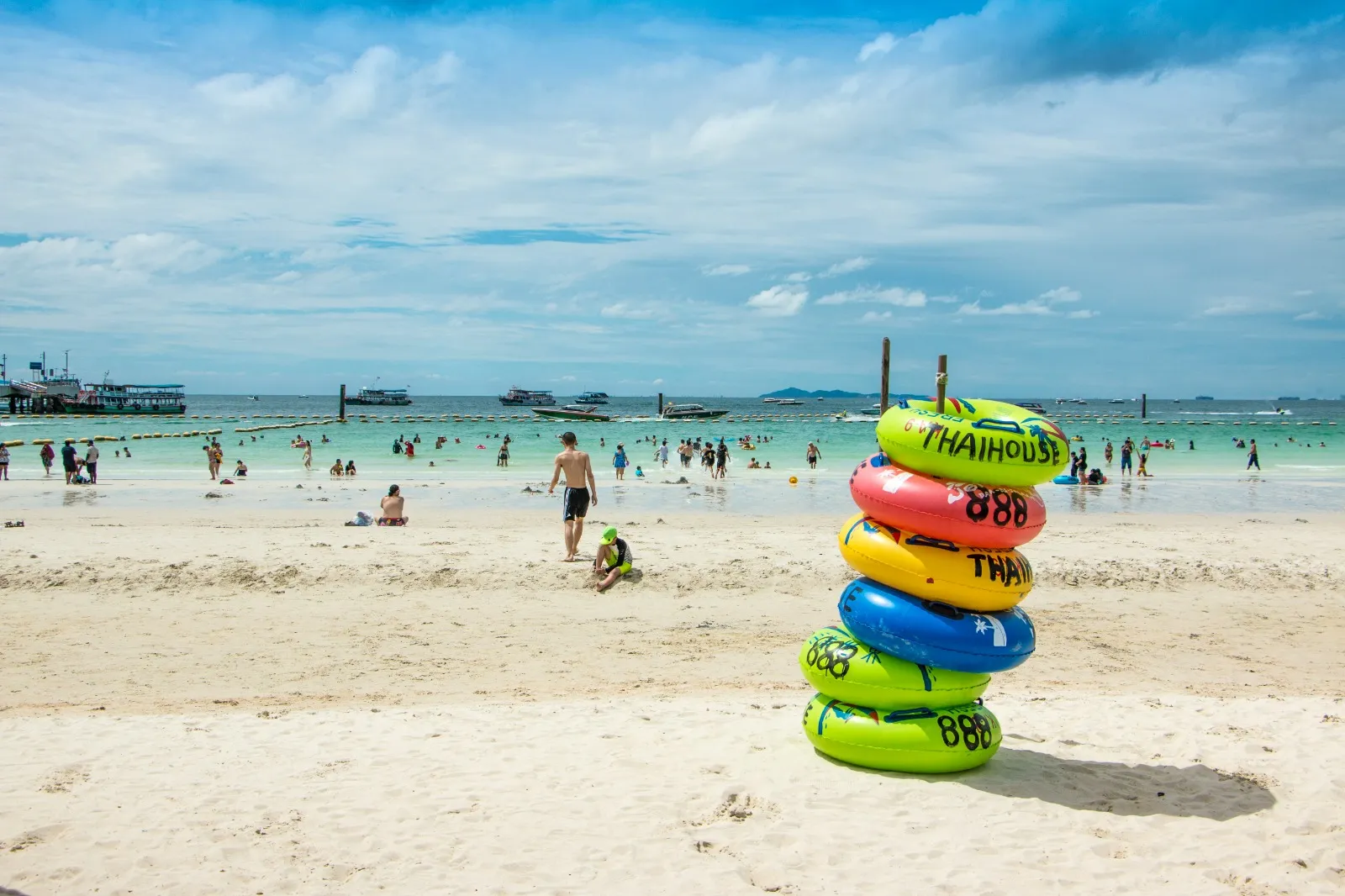
Tourism is one of the major income-generating industries of Thailand, and its infrastructure is strongly supported by the Thai Government. There is not much complication in obtaining a Thailand visa. Many countries (around 93 countries) are eligible for visa exemption and only require entry permission upon arrival.
Another requirement is the Thailand Digital Arrival Card (TDAC), which has no fee. Additionally, a passport valid for at least six months and a return ticket are usually enough to obtain a 60-day tourist visa.
Budgeting 101
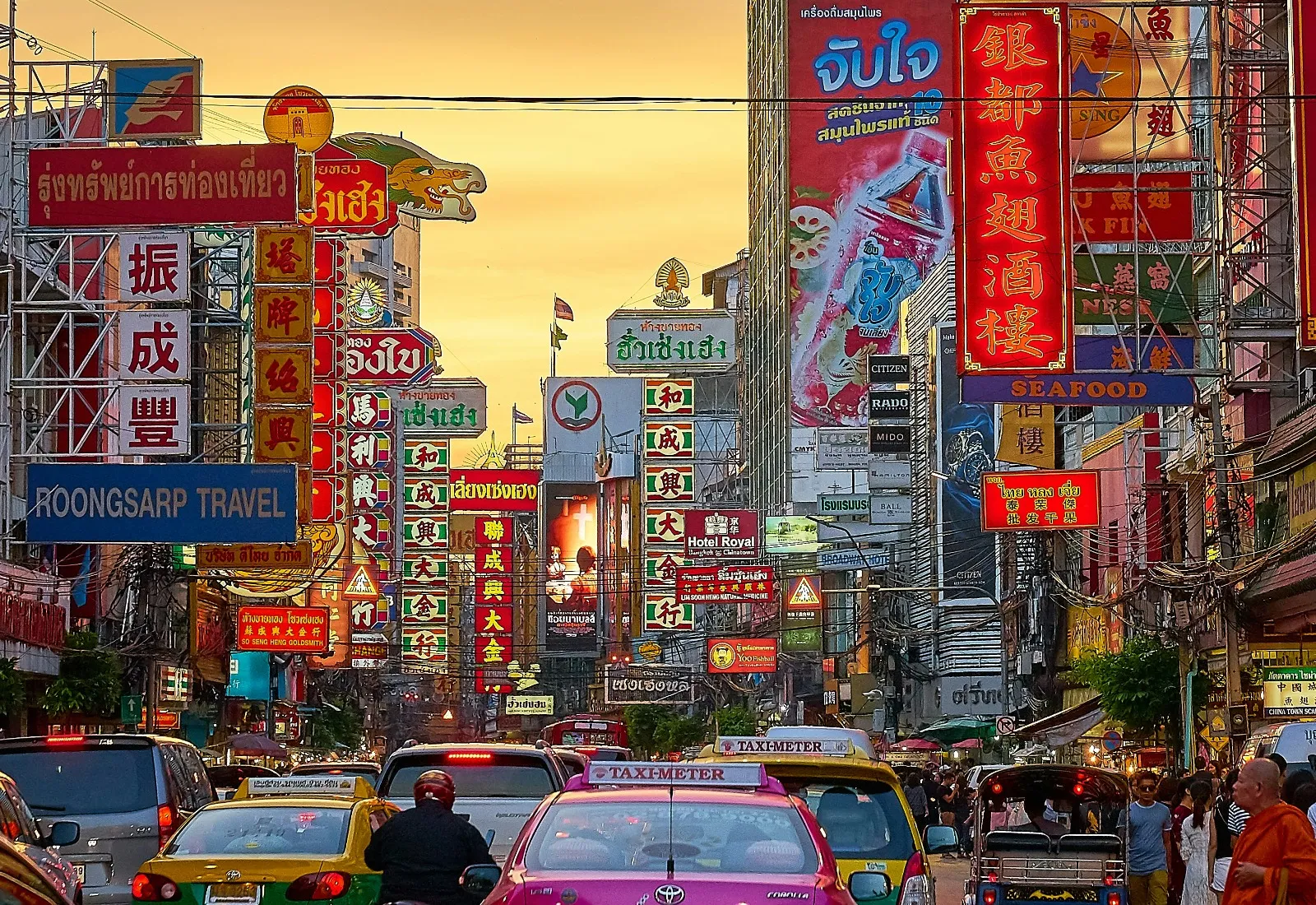
This can be a bit difficult to calculate, as individuals have different preferences for food, accommodation, transportation, and financial limits. Let’s assume there are two types of travelers: budget travelers and luxury travelers.
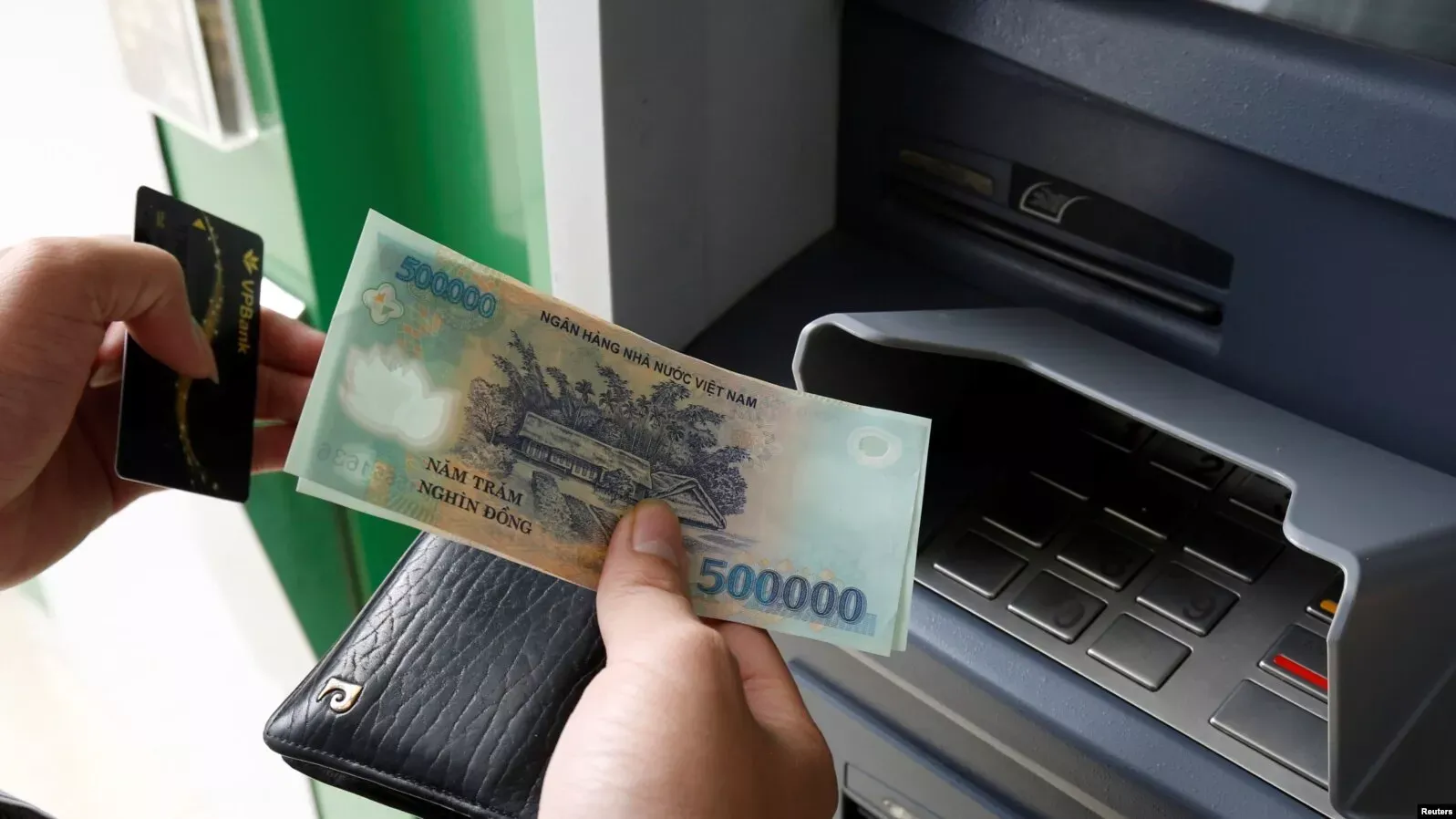
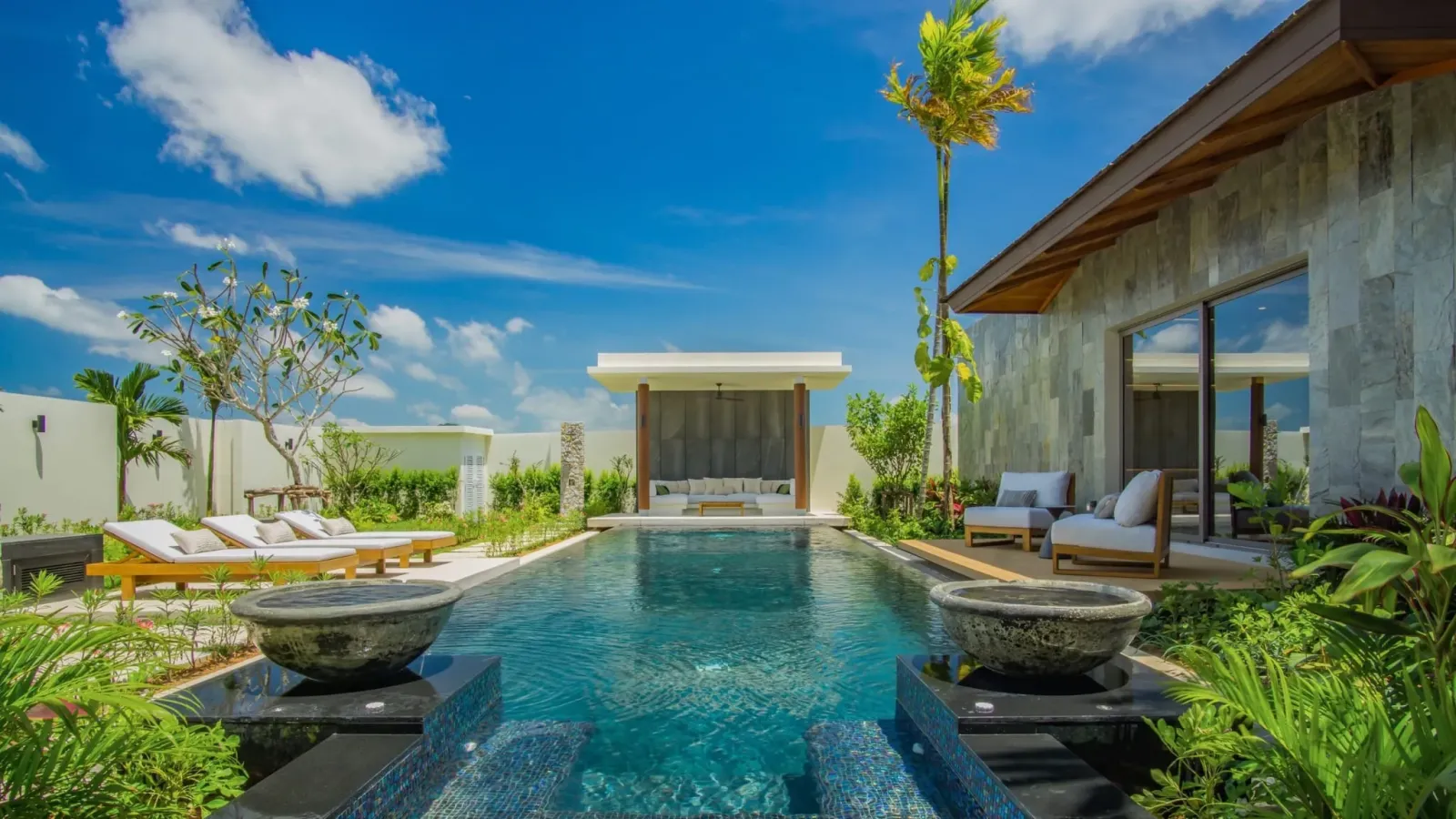
The per-day lodging budget should be around $25 (800 Baht) for budget travelers staying in hostels or budget hotels. For those who prefer luxury accommodation, it is around $150 (4,800 Baht) per day.
Food expenses also vary from person to person, but approximately $10 (300 Baht) per day is enough for a budget traveler. For luxury dining, it may go up to around $30 (1,000 Baht) per day.
In Thailand, local transport (tuk-tuks or taxis) and inter-city transport (bus, train, or ferries) may cost around $30 (1,000 Baht) per day, slightly more or less depending on travel. With luxury transport options, expenses may reach around $150 (5,000 Baht) per day.
Miscellaneous expenses such as tips, entry fees, souvenirs, water, fruit, ice cream, tea, bar items, and other small purchases may range from $10 (300 Baht) for budget travelers to $50 (1,600 Baht) for luxury travelers.
The total expected expense for a 2-week stay in Thailand is around $1,000 (32,000 Baht) for a budget traveler and approximately $4,200 (134,000 Baht) for a luxury trip.
(Important: $1 ≈ 32 Baht. The US dollar rate may vary slightly throughout the year.)
Packing List
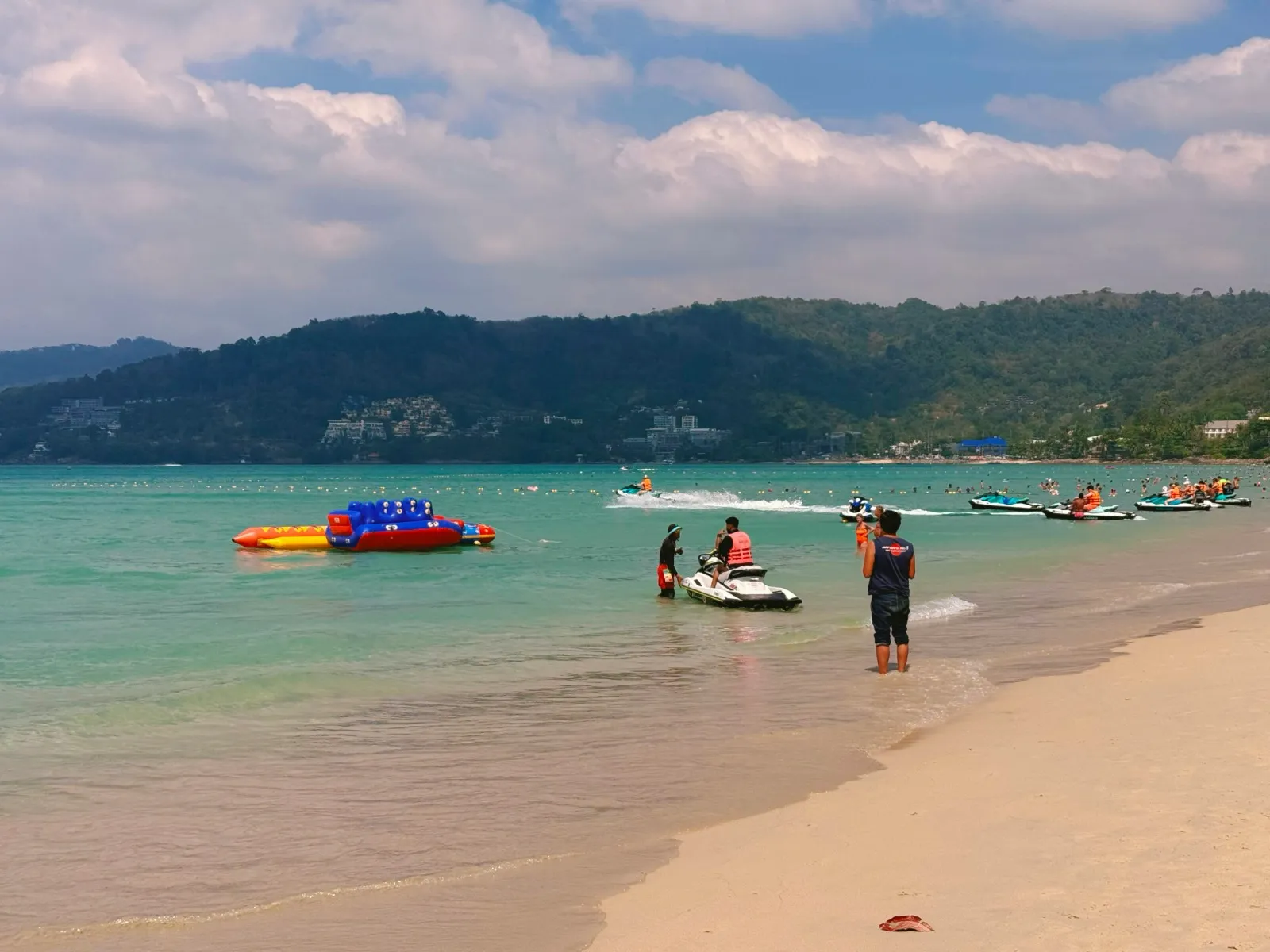
The first advice is: “Pack light.” Many items can easily be purchased in Thailand, and laundry services are quite affordable. Choose cotton and linen as your first choice of fabric.
• Lightweight tops and bottoms such as T-shirts, shorts, skirts, and blouses
• Long pants for temple visits
• A swimming costume if you plan to swim
• A light rain jacket
• Sneakers (best for street walking) and sandals or hiking shoes
Remember to carry, or purchase on your first day, essential items such as sunglasses, sunscreen, insect repellent, a small first aid kit, charging cables, and a small backpack.
2. Logistics: Getting Around or Transit Matrix
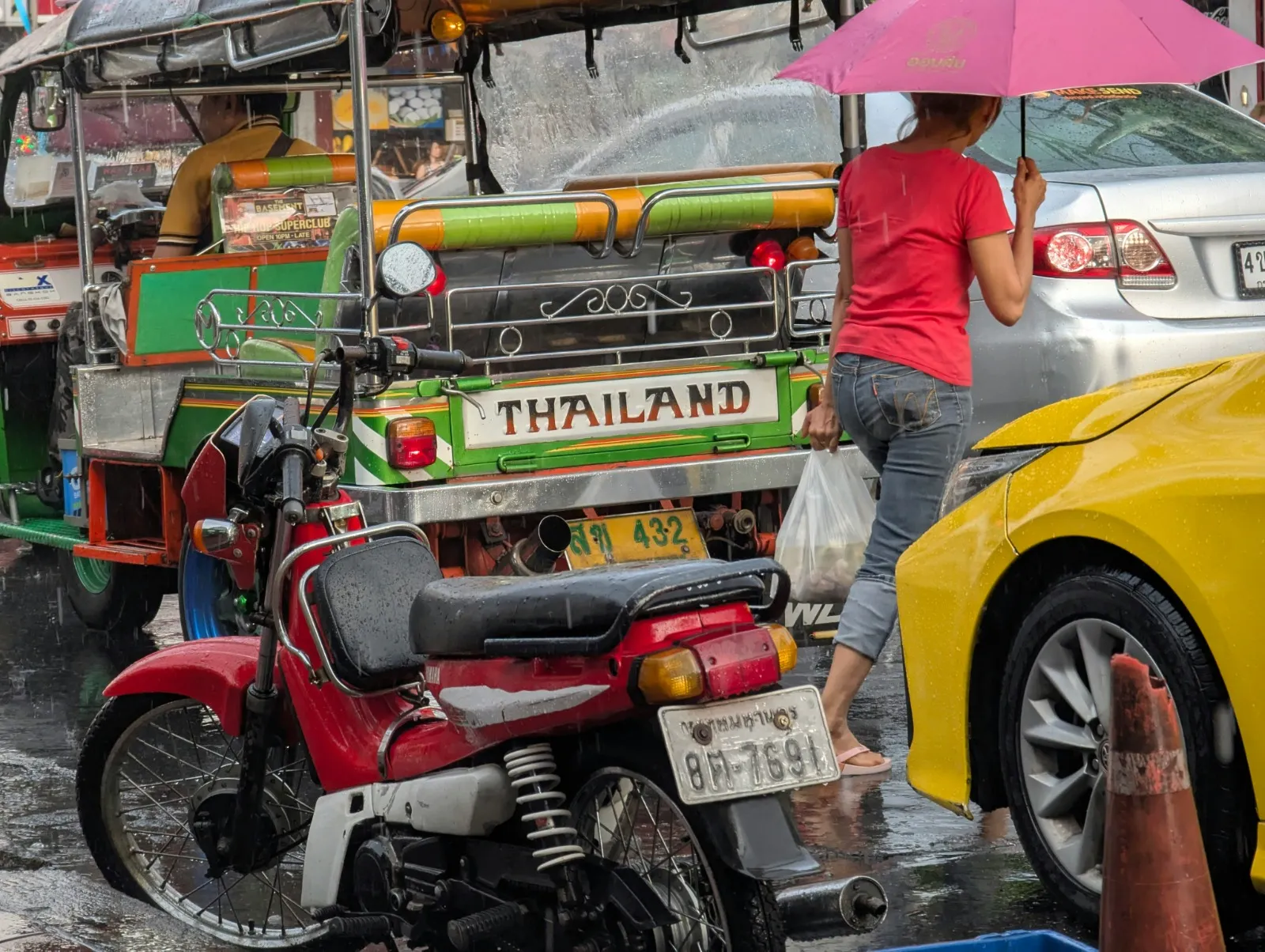
The Thai currency is much lower compared to the US dollar, with an approximate ratio of 30:1. This means traveling around Thailand is quite affordable, especially when using buses and train networks.
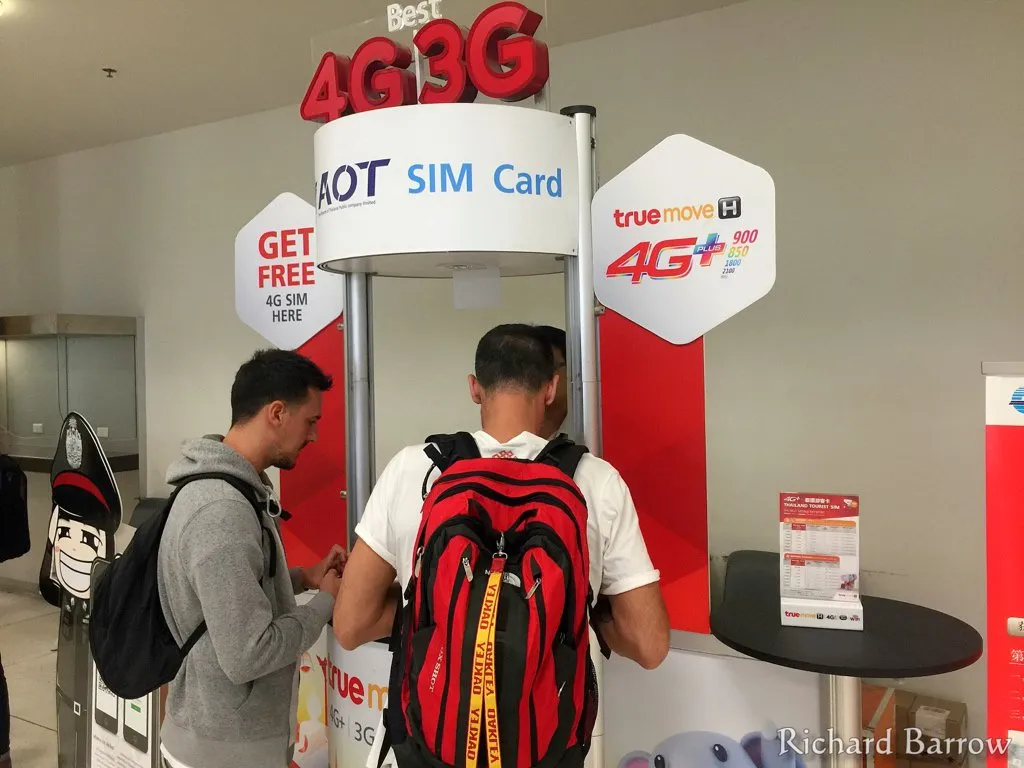
The Grab app is widely used for booking cabs, and the best part is that it supports the English language. Get a tourist SIM card at the airport for easy internet access. Keep enough cash for street food and tuk-tuks.
Learn and become familiar with “The Wai,” the traditional way of greeting in Thailand. Both palms are placed together at chest level with a slight bow as a sign of respect — this gesture is called “The Wai.” Try to learn some basic Thai phrases as well, such as Chai (yes) and Mai (no).
Arriving in Bangkok
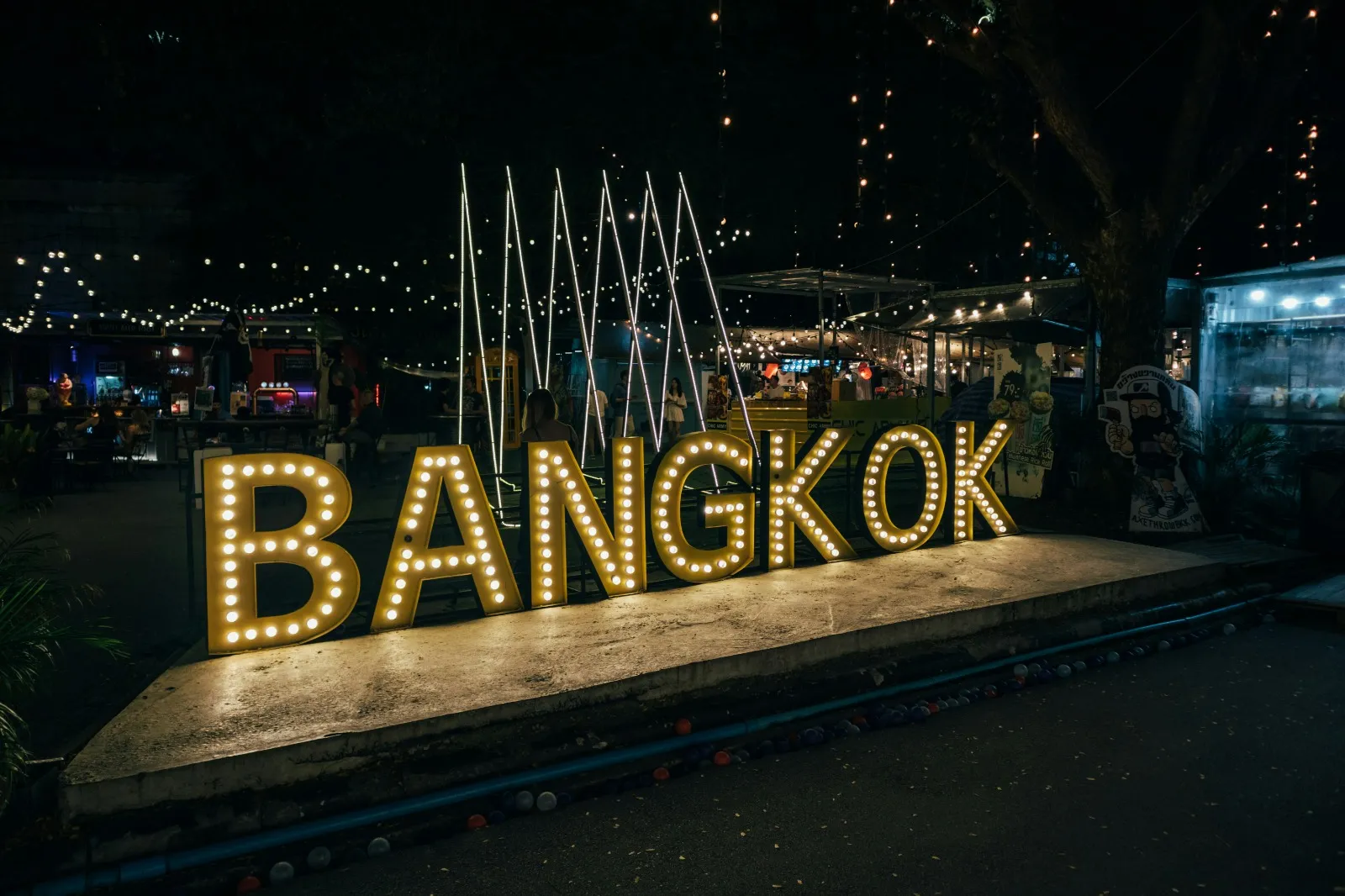
Bangkok is the most populous city in Thailand. There are two international airports in Bangkok:
-
BKK (Suvarnabhumi Airport) – One of the largest and newer international airports in Bangkok. Long queues at the immigration counter are common here.
-
DMK (Don Mueang Airport) – The older and smaller airport. Many budget and cheap flights operate from DMK.
After clearing immigration, you can use a taxi, rail link, or the Grab app to reach the city.
It is also recommended to exchange some money and buy a SIM card at the airport for instant internet access.
Domestic Travel & City Transport

Domestic travel options include airlines operating from BKK (mostly full-service flights) and DMK (mostly budget flights), as well as buses and trains for travel to other cities. For local travel within cities, you can use taxis, tuk-tuks, and songthaews (shared pickup trucks).
Domestic flights in Thailand are affordable and convenient if you want to reach destinations quickly. Always present your original passport when booking or boarding flights.
Thailand has an extensive train network connecting many cities with government support. However, trains are often delayed, so it is recommended to book in advance, especially during peak travel seasons.
Tuk-tuk drivers may demand higher fares from tourists, so always negotiate the price in advance — usually around half of the initially quoted amount. Tuk-tuks and songthaews are better suited for short distances.
Other local transport options include the metro and Skytrain, which are highly recommended in Bangkok because traffic jams are very common.
The Grab app remains one of the best options for calling a cab, especially with English language support.
3. The Itinerary: A Classic 2-Week Route
Now it is time to plan a daily route of popular tourist spots to visit in two weeks (14 days). This itinerary includes the vibrant city of Bangkok, northern Thailand including Chiang Mai and nearby areas, and southern Thailand including Krabi or Koh Samui and surrounding islands.
It is divided into three phases:
Phase 1
The Bustling Capital (Bangkok – 3/4 Days)
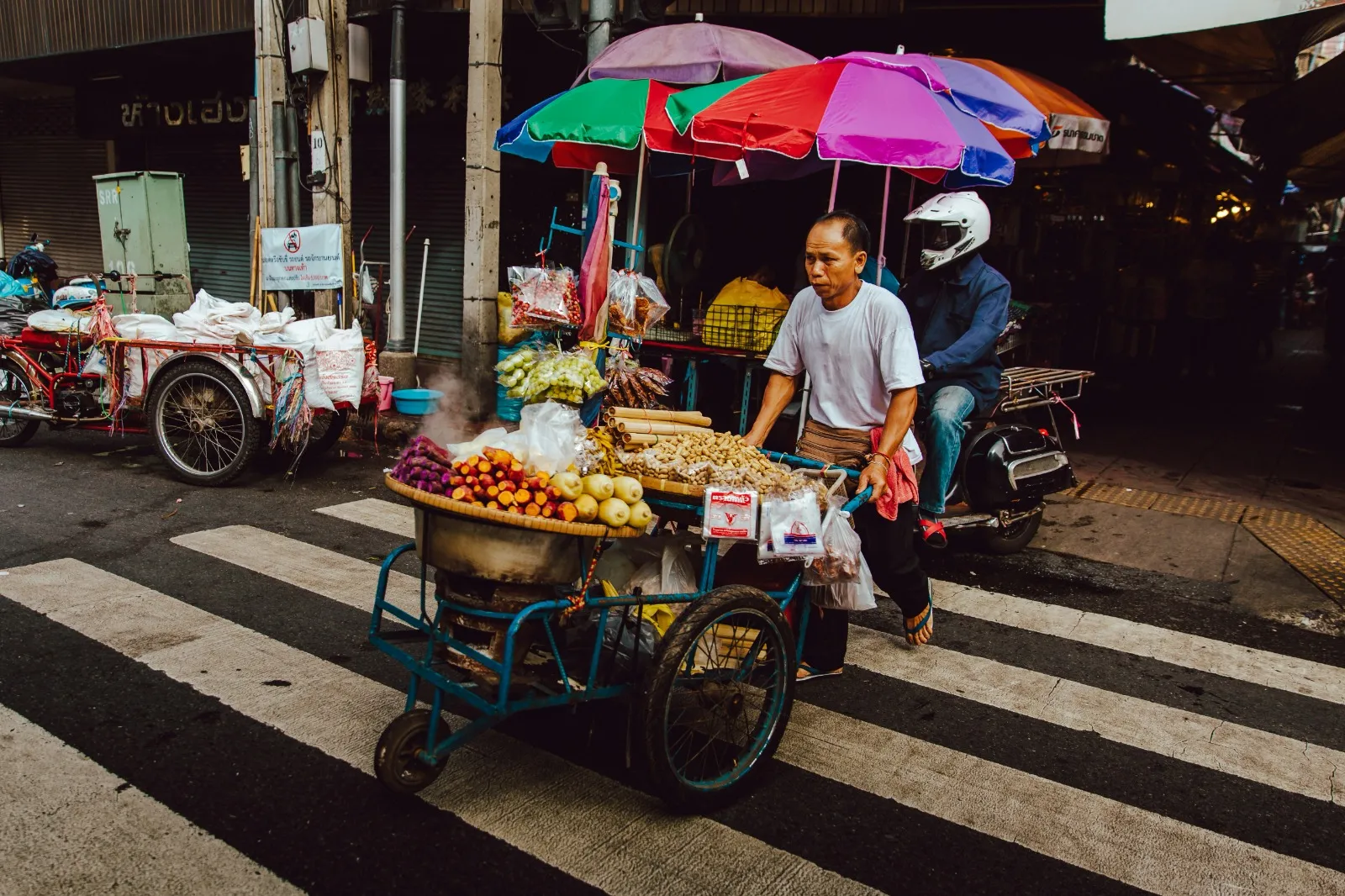
Bangkok is a blend of deep-rooted culture and modern lifestyle, attracting millions of visitors each year. From Chinatown and floating markets to mega shopping malls, the city’s streets are lively and vibrant.
Bangkok is famous for its cultural sites, activities, and especially its street food. Its rooftop bars, spa treatments, and flavorful dishes (sweet, sour, spicy, and salty) are next level. Experience a ferry ride and visit the marvelous Wat Arun, also known as the Temple of Dawn.
The Grand Palace & Wat Pho (Reclining Buddha)
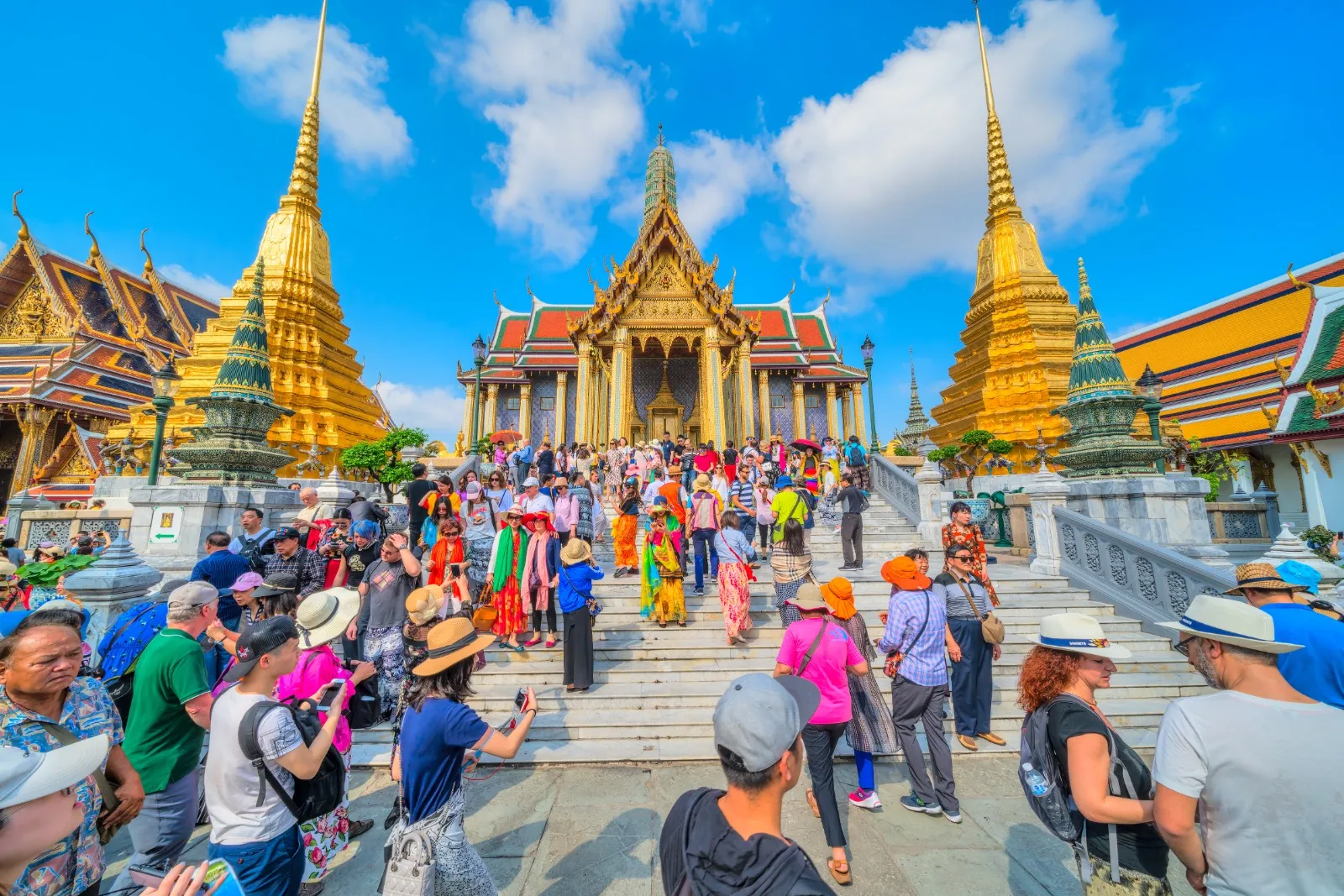
The Grand Palace is undoubtedly a masterpiece of architecture, built in 1782 and located on Na Phra Lan Road, Bangkok. Some government functions related to administration and ceremonial purposes are still associated with the complex. It is a large structure, and only certain sections are open to the public with an entry ticket. A dress code (covered knees and shoulders) applies to both men and women.
Very close to the Grand Palace is Wat Pho, a 16th-century temple famous for its 15-meter-high Reclining Buddha. It is one of the most visited sites by international tourists. Some say it is the birthplace of traditional Thai massage. There are around 1,000 Buddha images within the temple grounds, and an entry ticket is required.
Street Food in Chinatown (Yaowarat)

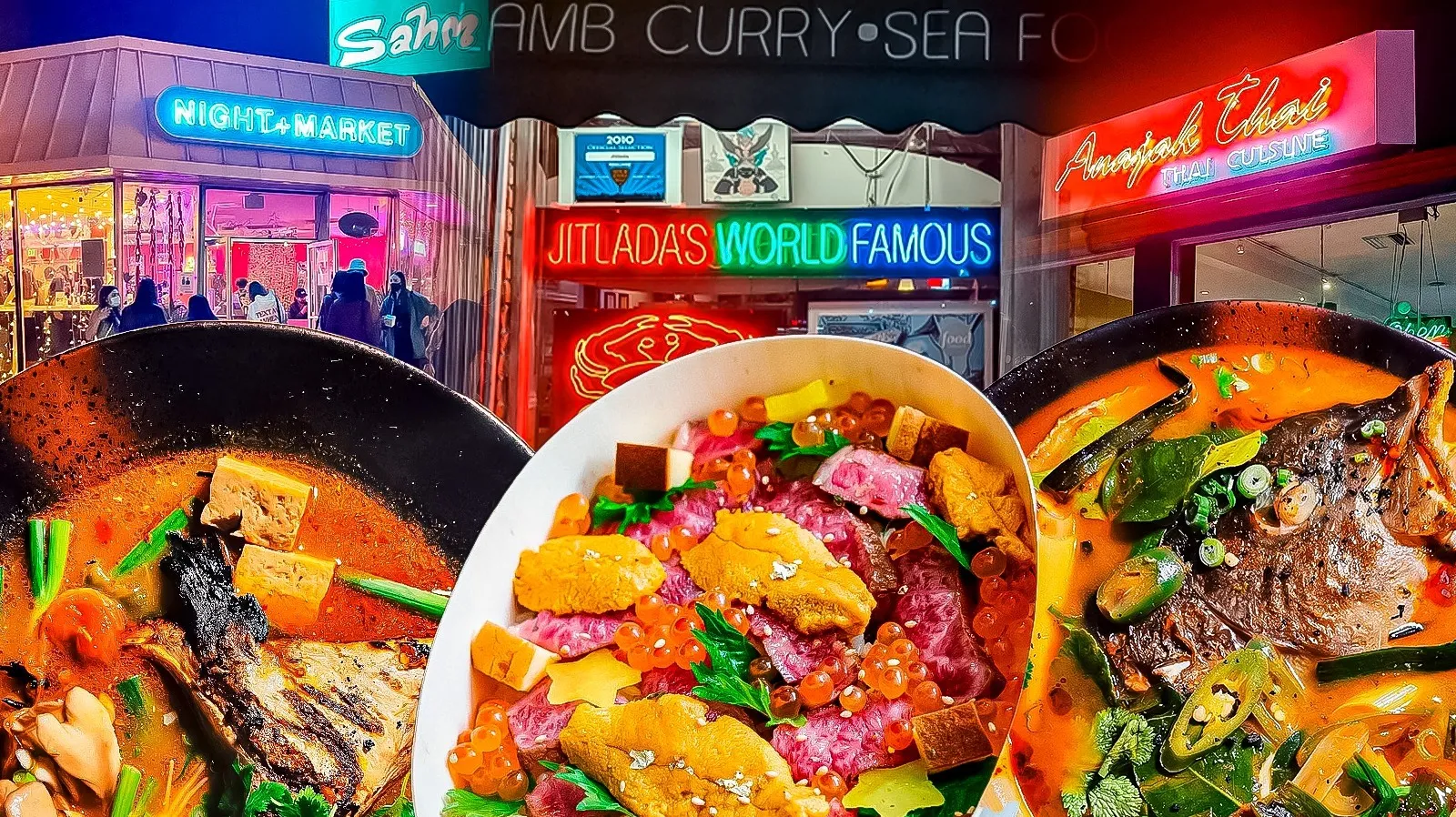
The famous Chinatown, officially known as Yaowarat, is one of the largest Chinese communities in the world. It offers neon-lit nightlife, gold and textile markets, but most tourists visit for its world-famous open-air street food stalls and restaurants, both inside buildings and along the roads. A wide variety of Chinese cuisine is available, along with delicious Thai specialty dishes.
Day Trip to the Ancient Ruins of Ayutthaya
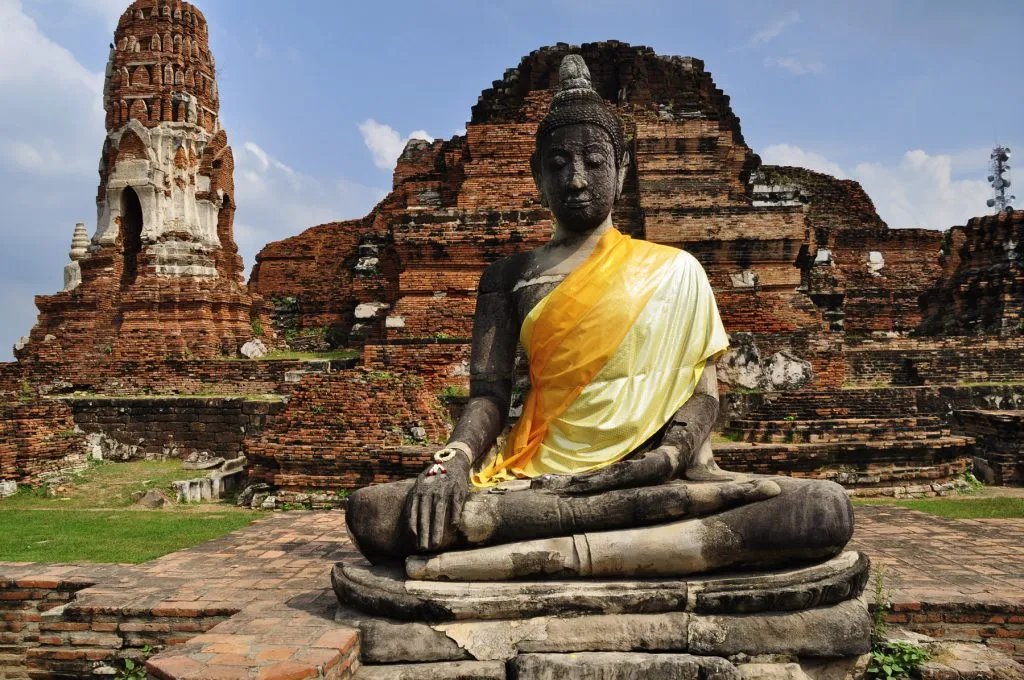
The ancient ruins of Ayutthaya are a major attraction for history lovers and require an entry ticket. Located about 76 km from Bangkok, Ayutthaya was once the great capital of the Siamese Kingdom. These ruins represent the true history and ancient culture of Thailand.
Exploring the famous Buddha head entwined in tree roots and visiting the three temples — Wat Yai Chai Mongkhon, Wat Mahathat, and Wat Chaiwatthanaram — are thrilling experiences.
One way to visit Ayutthaya is to combine the trip with other attractions such as the Grand Pearl Cruise, a floating market visit, Bang Pa-In Royal Palace, or even Sri Ayutthaya Lion Park for wildlife viewing.
Other Attractions in Bangkok (If Time Permits)
If time allows, you may also visit the Erawan Museum (famous for its giant three-headed elephant statue), explore the nightlife and international clubs, visit Jim Thompson House, relax at Lumphini Park, and enjoy shopping at Asiatique The Riverfront, an exciting open-air mall experience.
Phase 2
Cultural & Nature (Chiang Mai – 4/5 Days)

Four to five days in Chiang Mai are enough to enjoy many activities in this part of Thailand. Temple hopping, walking through night markets, visiting giant elephants, and experiencing the breathtaking natural beauty of waterfalls will be interesting and thrilling for all types of tourists.
Temple Hopping: Wat Phra That Doi Suthep
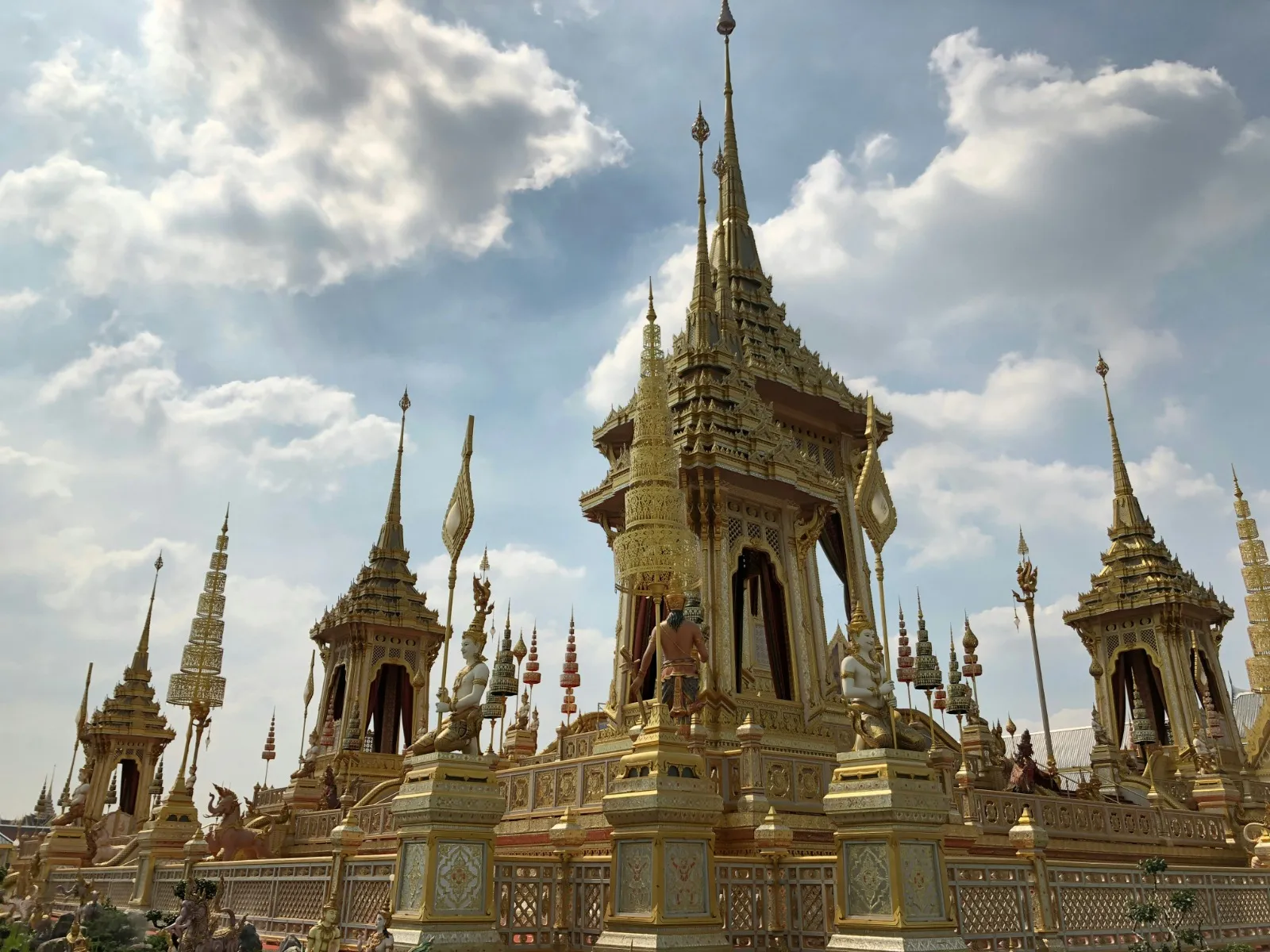
Wat Phra That Doi Suthep in Chiang Mai, gold-plated from top to bottom, is one of the most sacred sites (a pilgrimage spot) for local Thai people, so a strict dress code is implemented here. Spending about an hour at the temple while enjoying city views and observing Thai architecture and culture is a unique experience. The monks here are very cooperative and welcoming. You can either climb the 309 steps or take the tram ride, depending on your preference. Hiring a guide is recommended, as the area is large and it is easy to get confused without proper direction.
Ethical Elephant Encounters: Choosing a Reputable Sanctuary

Feeding and bathing rescued elephants is another activity that provides mental relaxation. There are reputable and ethical elephant sanctuaries where elephant riding is not allowed, as it badly affects the spine of these animals. You can walk alongside them and sometimes feed these gentle giants. Visitors can observe the elephants in a natural and respectful environment.
The Famous Night Bazaar & Thai Cooking Classes

The largest night bazaar is located in the center of Chiang Mai, with more than 100 stalls offering items for sale. One of the main highlights is the roadside street food, along with many other attractions. These food stalls offer very tasty and delicious dishes that you should not miss. There are also rooftop bars, swimming pools, restaurants, mega malls for shopping, and beautiful handicrafts and paintings available.
This area is also well known for arranging cooking classes for everyone, offering diplomas, certificates, and even degree-level programs. These classes not only teach you how to cook specific dishes but also provide a deeper understanding of the ingredients, culture, and history of Thai cuisine.
The best tip here is to avoid March to April, as this is the period of peak high temperatures and humidity in this region.
Phase 3
Island Paradise (Phuket or Krabi – 6/7 Days)
Both Phuket and Krabi are among the biggest tourist destinations in Thailand and are worth visiting. The major differences and day-wise planning are mentioned below:
Phuket

Phuket is famous for its tropical beaches, thrilling nightlife, luxury resorts, excellent food options, and better accessibility. Evening walks, visiting nightclubs, and enjoying street food create a collection of memorable experiences here.
The suggested day-wise Phuket plan is:
Day 1: Visit beautiful Patong Beach and enjoy its nightlife, including bars, nightclubs, massage parlors, restaurants, and Bangla Walking Street.
Day 2: Take a speedboat trip to the Phi Phi Islands, famous for limestone cliffs. There are world-class snorkeling and diving options for tourists. One highlight is visiting Maya Bay, known for its stunning cove and white sand.
Day 3: Visit the 45-meter-tall Big Buddha and Wat Chalong Temple, the island’s largest temple and a sacred site for Buddhists.
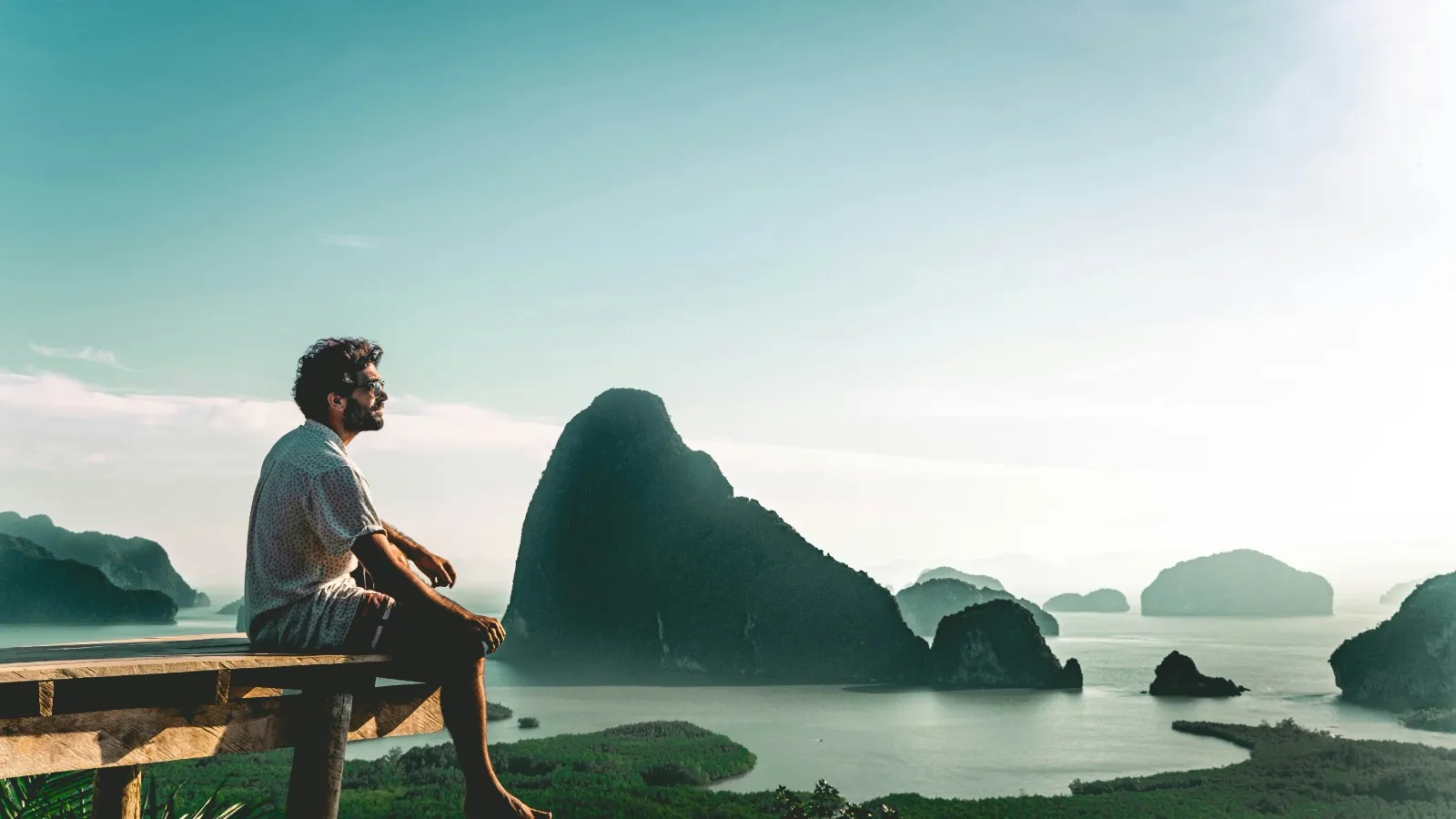
Day 4: James Bond Island (Khao Phing Kan) is one of the biggest attractions due to its iconic leaning limestone rock. Riding long-tail boats here is a thrilling experience. A morning visit is best if you want to avoid crowds.
Day 5: Visit an elephant sanctuary and interact with rescued elephants for a memorable and meaningful experience.
Day 6: Relax at Mai Khao Beach (quiet and isolated), Nai Yang, or Surin Beach for a peaceful beach experience.
Day 7: Explore the historic Old Town of Phuket, where ancient architecture is worth admiring. Enjoy restaurants, cafés, street food stalls, museums, and temples throughout the day.
Krabi
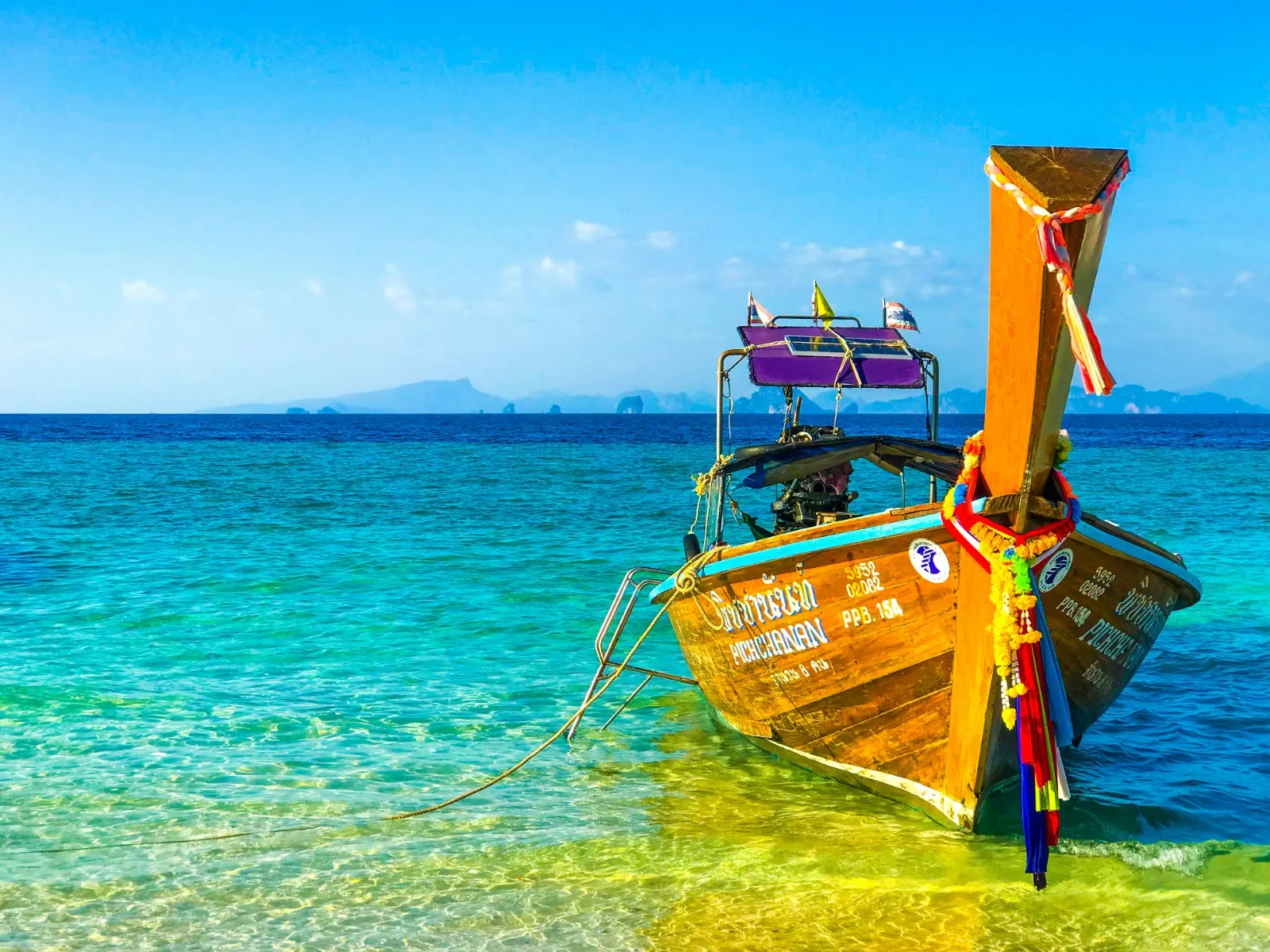
Krabi is generally more affordable and a better choice for budget travelers. It offers fantastic and breathtaking natural scenery with karst (limestone) landscapes and has a relaxed yet adventurous vibe. It is also a great destination for families and honeymoon couples.
Day 1: Ao Nang is the first choice, as it has a long coastline and a lively beach. Relax here and explore Krabi Town during this time.
Day 2: Take a typical boat trip to four islands in one day. Koh Poda is best for sunbathing, Chicken Island is known for snorkeling and clear waters, Tup Island is great for snorkeling, swimming, and photography, and Phra Nang Cave Beach has stunning limestone cliffs and white sand. Rock climbing is also available for thrill seekers.
Day 3: Visit Hong Island (about a 30-minute boat ride), which has a hidden inner lagoon accessible only during low tide. There are also 49 steps leading to a panoramic viewpoint.
Day 4: Visit Railay Beach, accessible only by long-tail boat due to high limestone cliffs. It can be crowded during peak season and has shallow, clear water. There are no proper roads here, only walking paths.
Day 5: Visit the famous Tiger Cave Temple (Wat Tham Suea). It has steep 1,260 steps leading to a large golden Buddha. From the top, you get a stunning view of mountains, forests, and the long coastline.
Day 6: Enjoy a city walk and visit night markets in the evening for souvenir shopping and delicious food. Krabi is also an excellent kayaking destination.
Day 7: Spend your last day shopping, boating, and enjoying the nightlife.
Key Cultural Etiquette & Tips
“The Wai” is commonly observed in Thailand by local people. It is a gesture of respect where both palms are joined and raised to chest level with a slight bow. When someone offers you a Wai, respond with a nod or a small bow.
There are widely accepted dos and don’ts in Thailand, and having prior knowledge can help avoid uncomfortable situations.
• The head is considered the most sacred part of the body, so touching someone’s head is not appreciated. The feet are considered the lowest and unclean part of the body, so do not point your feet toward Buddha images, religious sites, or people.
• Do not touch the heads of local people or monks.
• It is Thai tradition to remove your shoes before entering homes, temples, and some shops.
• Thai people are very respectful toward their royal family. Do not make negative remarks about them, as it is a serious offense and may result in imprisonment.
• There is a dress code in temples and royal grounds; knees and shoulders must be covered for both men and women.
• Do not shout, show anger, or display frustration in public, as it is socially unacceptable in Thailand.
• Use your right hand when giving or receiving something and while eating food.
Smile frequently and be polite to everyone — it will open many doors for you, not only in Thailand but everywhere in the world.
Health & Safety
• Do not drink tap water; drink only bottled water.
• Use the Grab app for cab rides.
• Stay hydrated, especially at noon.
• Emergency numbers are 1155 or 1669 (Tourist Police and medical emergency).
• Check food hygiene at street stalls to avoid food poisoning. Eating fresh fruits is recommended.
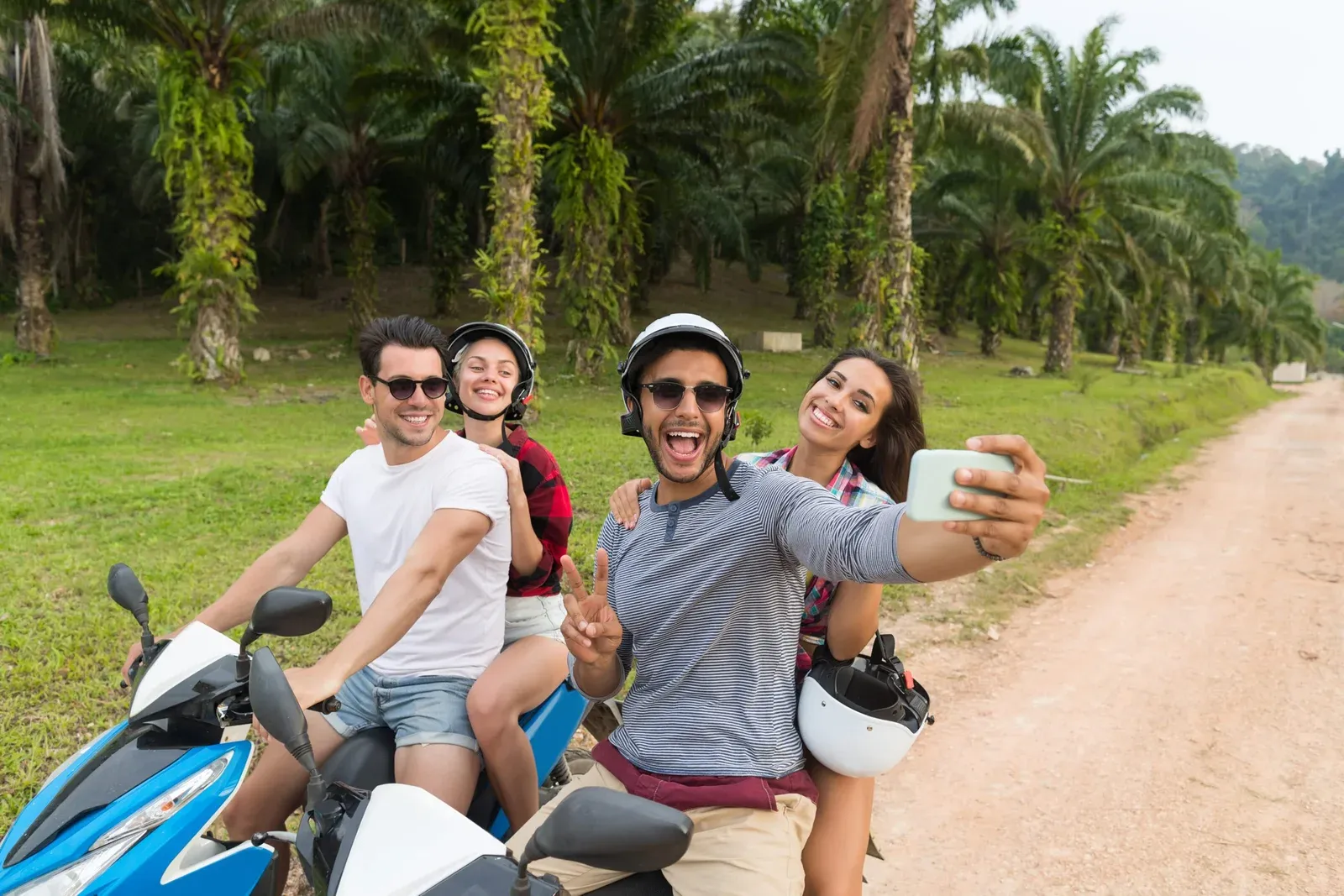
• Ensure you are properly vaccinated and always wear a helmet when riding a rented motorbike.
• Remember that e-cigarettes and vaping are strictly prohibited in Thailand.

Zach Cameron & Zahid Karim
Travel Analyst | 11+ years experience







Community Insights
Join the conversation
Login or create an account to share your thoughts and react to comments.