

It is important for visitors to know about the Thai monarchy and some important royal customs, particularly those relevant to tourists. Thailand has a competitive autocracy or a hybrid regime form of government. The King of Thailand is highly respected and a most beloved person, and he is considered a symbol of unity and spiritual authority. This form of respect is deeply engraved in the hearts of the local people.
Discussing the King and other members of the royal family is a very sensitive topic in public. There are very strict laws to protect the King and other royals from any type of criticism or insult, and such actions are considered illegal and highly disrespectful.

Table of Contents
1. The Royal Tapestry: A Legacy of Reverence
-
The Soul of a Nation: Understanding the King’s role as the unifying heart of Thailand.
-
Historical Foundations: A brief look at the Chakri Dynasty and its modern influence.
-
The Devotion Spectrum: Why the monarchy is woven into daily Thai life.
2. The Anthem & The Image: Living Protocols
-
The Stand of Respect: Navigating the Royal Anthem in cinemas and public squares.
-
Sacred Portraits: Why every image of the King requires a moment of mindfulness.
-
Currency & Care: The cultural weight of the Thai Baht and why “stepping on a coin” is taboo.
3. Lèse-Majesté: Navigating the Legal & Social Landscape
-
The Law of the Land: A traveler’s guide to Section 112 and the importance of public silence.
-
Digital Decorum: Navigating social media and online commentary with caution.
-
The “Quiet Zones”: Topics of conversation best left untouched in public settings.
4. Sacred Ceremonies: Witnessing Royal Grandeur
-
The Coronation Echo: Understanding the rituals that define the Royal Office.
-
Royal Birthdays: Why the streets turn yellow and how to participate in the celebration.
-
Temple Ties: The monarchy’s role as the “Protector of All Religions.”
5. The Visitor’s Conduct: Grace in Every Gesture
-
Dress Code Diplomacy: Elevating your attire when entering royal-linked palaces or shrines.
-
The Physical Hierarchy: Keeping your head lower than royal imagery and avoiding pointing.
-
Spoken Respect: How to refer to the Royal Family in polite conversation.
6. Common Pitfalls & Practical Wisdom
-
The “Ignore & Observe” Rule: What to do if you aren't sure how to behave.
-
Temple Scams Revisited: Why “The Palace is Closed Today” is almost always a ruse.
The Royal Tapestry: A Legacy of Reverence
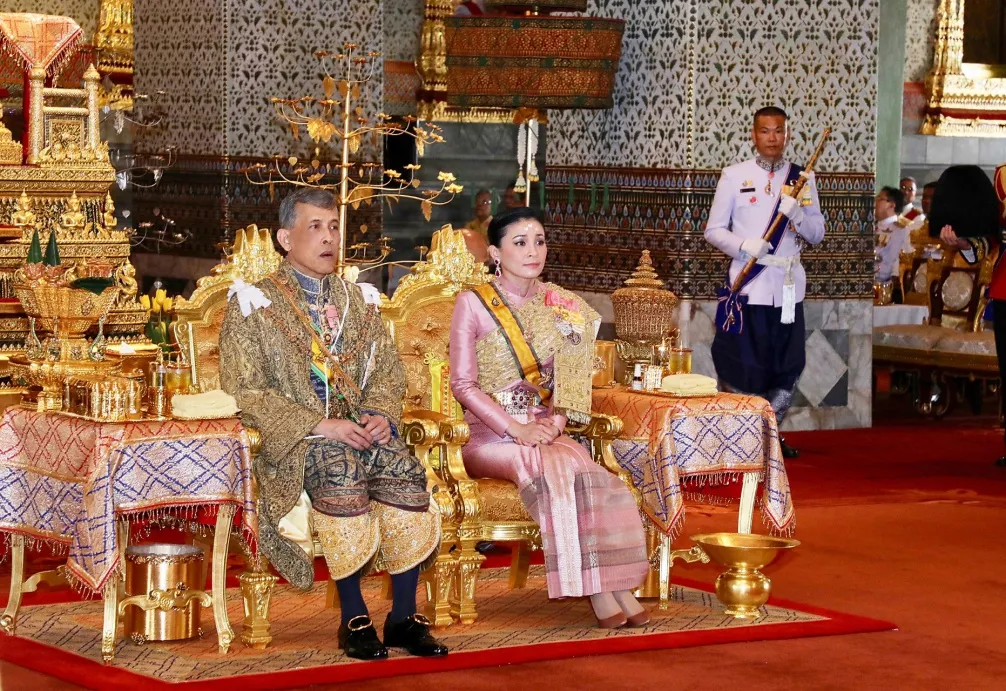
The Thai sense of identity has been closely linked with the monarchy for more than 700 years. Thailand is a blend of Thai culture, history, and traditions connected with the royal family and Buddhism.
There are three things in Thailand that are deeply ingrained in the hearts of generations:
-
Buddhism
-
Monarchy
-
Ancestral traditions
The legacy of reverence can be seen in the revival, preservation, and promotion of traditional Thai arts and crafts, such as basketry, mat weaving, masked dance drama, the evolution of Thai royal costumes, and textile artistry.
The Soul of a Nation: Understanding the King's Role as the Unifying Heart of Thailand
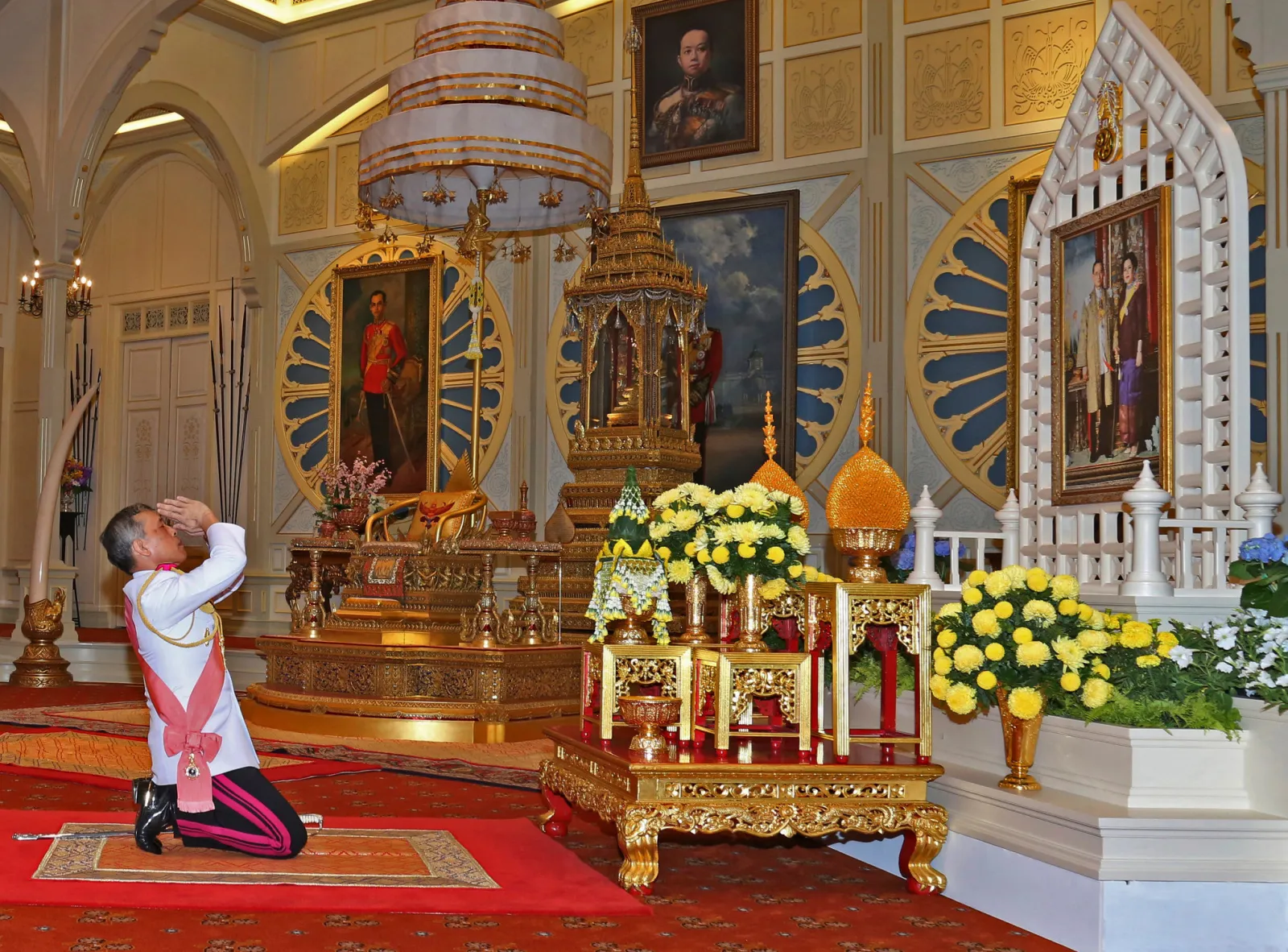
The most beloved person in Thailand is the King. He is considered the “Soul of the Nation” and one of the main pillars of the government. He serves as the Head of State and Commander-in-Chief of the Royal Thai Armed Forces. He is also regarded as a spiritual protector of Buddhism in the country.
Historical Foundations: A Brief Look at the Chakri Dynasty and Its Modern Influence
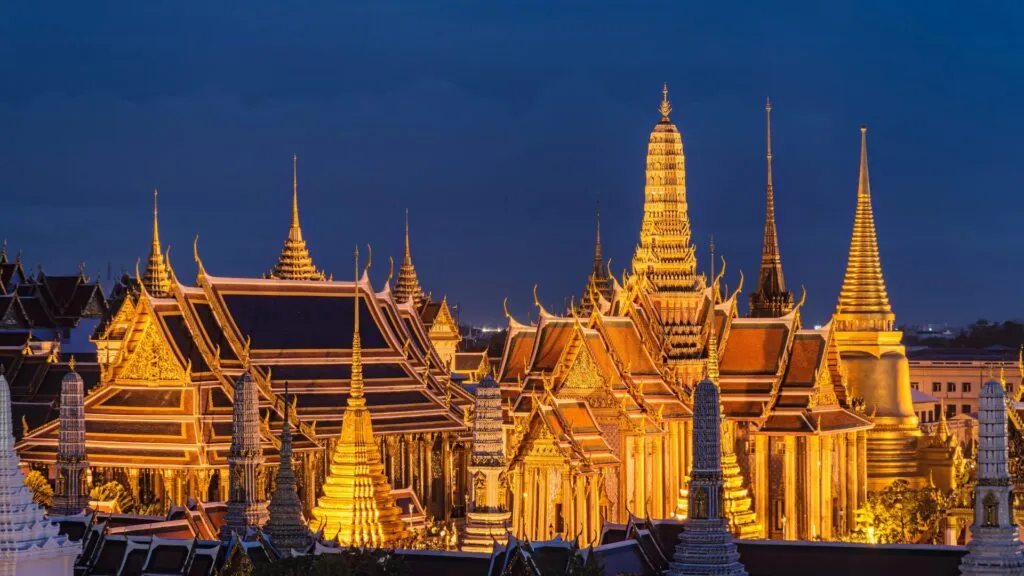
The origin of the Thai kingdom dates back to 1238 in the 13th century. After the fall of the Ayutthaya Kingdom, General Chakri took power and was crowned in April 1782. This marked the beginning of the Chakri Dynasty.
Bangkok was established as the new capital, along with the construction of the Grand Palace. The kings of this dynasty also took important steps to preserve Thailand’s cultural heritage.
In 1932, after a revolution, the system changed from an absolute monarchy to a constitutional monarchy, creating the hybrid form of government that exists today.
The Devotion Spectrum: Why the Monarchy Is Woven into Daily Thai Life
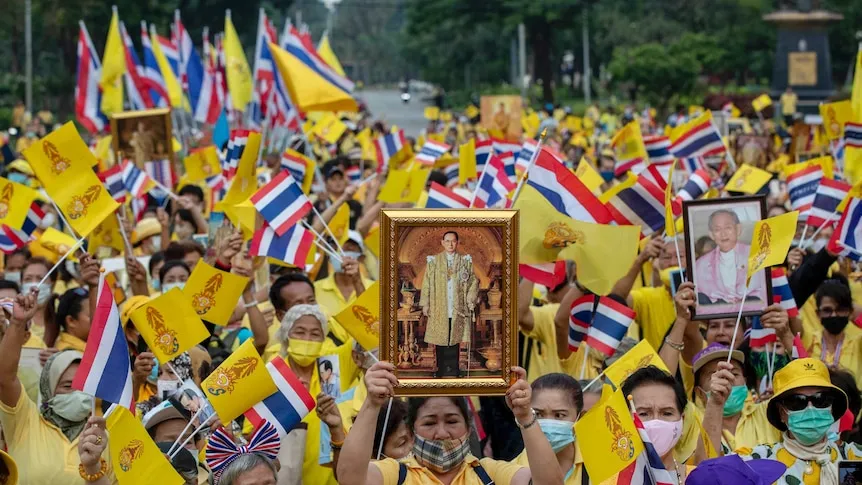
The devotion of Thai people toward the King varies across different occasions, ranging from sacred reverence to, in rare cases, active dissent. However, for most people, the devotion remains very strong, and the King is often referred to as “God above your heads.”
The younger generation in major cities may view the monarchy somewhat differently today. However, many older Thais and people living in rural areas remain strong supporters of the King and still believe that the monarchy is a primary source of national stability and pride.
Portraits of the King and members of the royal family are displayed prominently in government buildings as well as in many private shops.
The Anthem & The Image: Living Protocols

The national anthem of Thailand is played twice daily in public places (such as bus stations, schools, etc.), and all people, both locals and tourists, are expected to respect it by standing up. It is strictly observed and followed by local Thai people, and they expect tourists to follow it as well.
The Stand of Respect: Navigating the Royal Anthem in Cinemas and Public Squares
The Royal Anthem (a 90-second song) is played in cinemas before movies to honor the royal family, and it may also be played in public squares. People are expected to stand in silence to show respect to the monarchy.
Visitors are recommended to stand silently when the Royal Anthem is played, just as they would for the national anthem.
Sacred Portraits: Why Every Image of the King Requires a Moment of Mindfulness

In Thailand, every image and portrait of the King is considered sacred, as he is highly revered and often regarded as the “Father of the Nation.” These portraits can be found in many places, such as government buildings, roadsides, and shops.
Careful conduct and respect are recommended for tourists. Disrespecting or making jokes about pictures of the King may lead to imprisonment (3 to 15 years), so mindful behavior is expected from all tourists.
Currency & Care: The Cultural Weight of the Thai Baht and Why “Stepping on a Coin” Is a Taboo
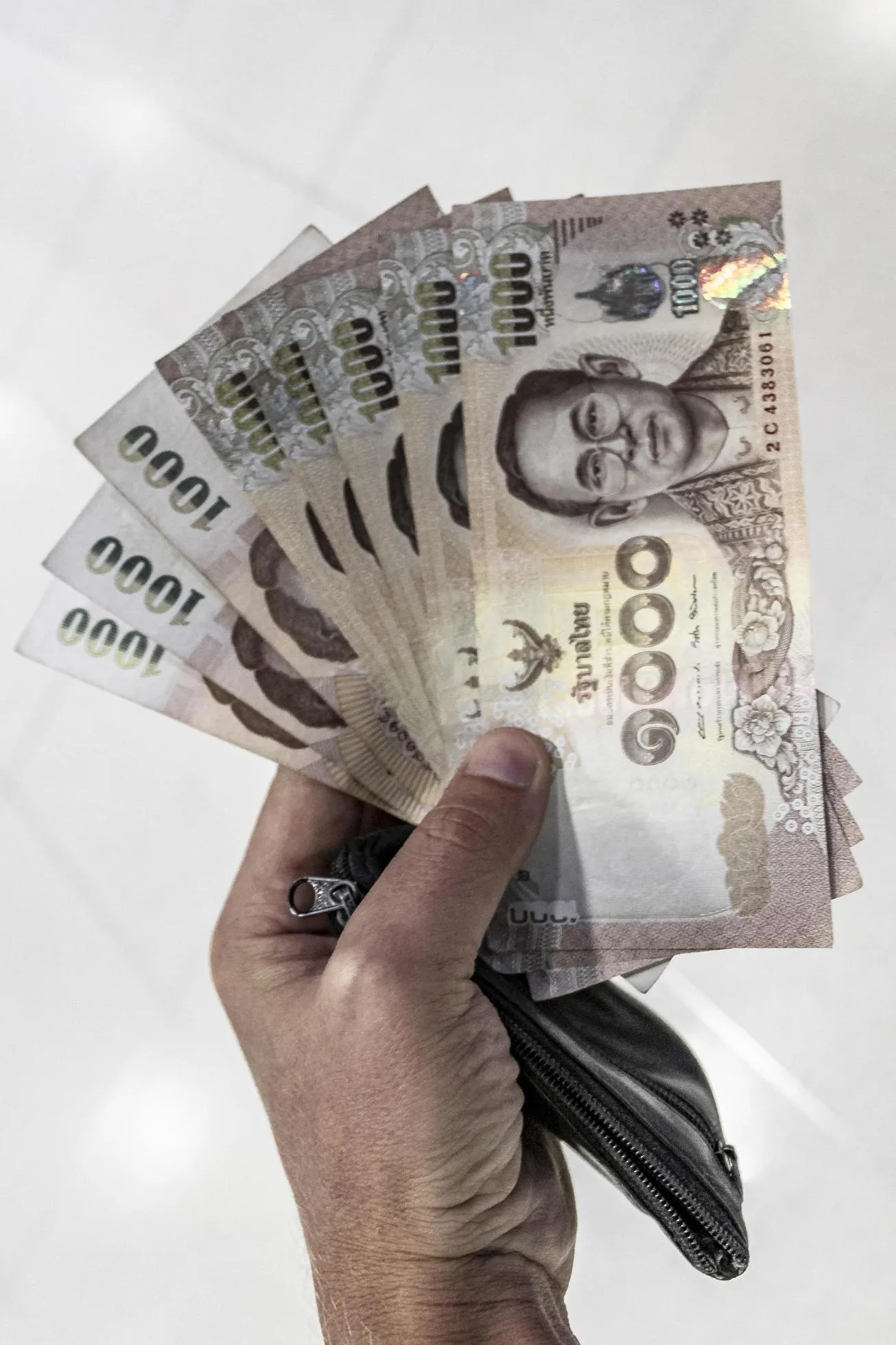
Currency is generally considered a major tool of commerce and trade, but in Thailand it carries additional cultural significance.
Stepping on Thai currency notes or coins is considered disrespectful and is prohibited. The main reason is that Thai currency contains the image of the King. He is highly revered and considered a symbol of national unity, a spiritual guide, and the most respected figure in Thailand. Therefore, stepping on currency is a major taboo and may be viewed as a direct insult.
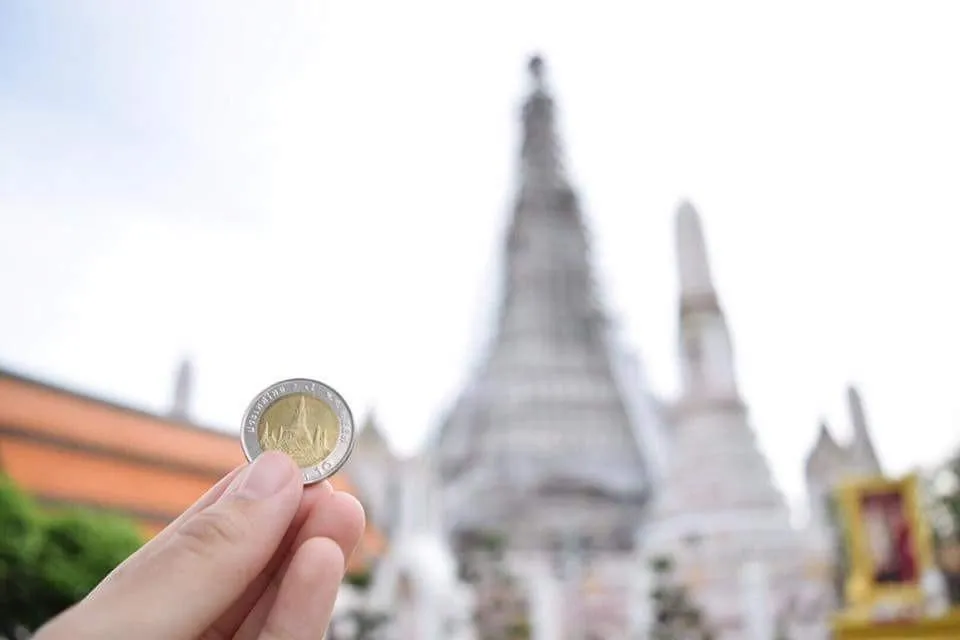
Baht coins also contain images of different temples, which are sacred places of worship in Thailand. For this reason, stepping on coins is also considered disrespectful.
Another cultural aspect is that the feet are considered the lowest and least clean part of the body, so touching or stepping on currency with the feet is viewed as disrespectful. If a coin or banknote falls, pick it up with your hand instead.
Tip:
Do not keep currency in your back pocket; keep it in your front pocket instead. Also, avoid playing with or rolling coins for fun.
Lèse-Majesté: Navigating the Legal & Social Landscape
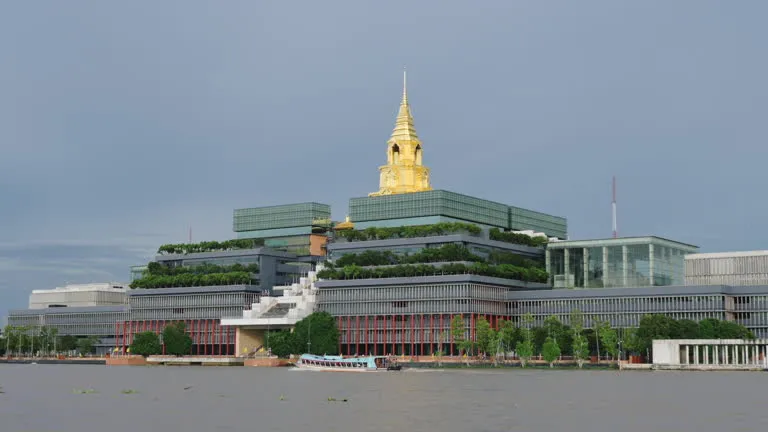
It is very important for tourists to understand that Thailand has very strict laws, especially Article 112 of the Criminal Code, regarding defamation, insults, threats, or jokes directed toward members of the royal family.
This law applies to the following:
-
The King
-
The Queen
-
The Heir Apparent
-
The Regent
It is important to note that this offense includes social media posts, news articles, and even artistic expressions. The law applies to both Thai nationals and foreigners. The monarchy is considered untouchable in Thailand.
The Law of the Land: A Traveler’s Guide to Section 112 and the Importance of Public Silence
Section 112 of the Thai Criminal Code is one of the strictest defamation laws in the world. Violations, including digital actions such as social media posts or public discussions, can lead to years of imprisonment per offense.
It is considered a serious offense against the Thai monarchy and carries severe penalties, including 3 to 15 years of imprisonment per count. Multiple offenses can lead to significantly longer prison sentences, even lasting decades.
Tip:
There is no immunity for tourists or foreigners, so always show respect toward the monarchy.
Digital Decorum: Navigating Social Media and Online Commentary with Caution

Extreme caution should be taken when using social media. Creating, sharing, or commenting on posts that insult the monarchy or present it negatively can be considered a punishable offense in Thailand.
Even liking or sharing posts that defame the monarchy or spread false information can be illegal.
Tip:
Thailand is generally a conservative society, so be careful when discussing topics such as religion, politics, or the monarchy.
The “Quiet Zones”: Topics of Conversation Best Left Untouched in Public Settings
It is better to remain cautious when dealing with sensitive topics such as criticism of the monarchy, the political situation in Thailand, or religious practices related to temples, Buddhism, or monks.
Tourists should also avoid publicly losing their temper or directly blaming someone, as this may create an unpleasant situation.
Tip:
Remain calm and try to handle conflicts with a smile.
Sacred Ceremonies: Witnessing Royal Grandeur

The culture of monarchy and Buddhism, along with old traditions, is deeply enriched in the hearts of Thai people. The Royal Barge Procession is a rare and ancient Thai tradition that marks the importance of the monarchy and Buddhism. It has occurred only 16 times in history. The procession traditionally travels along the Chao Phraya River and passes near the Grand Palace.
The Coronation Echo: Understanding the Rituals That Define the Royal Office
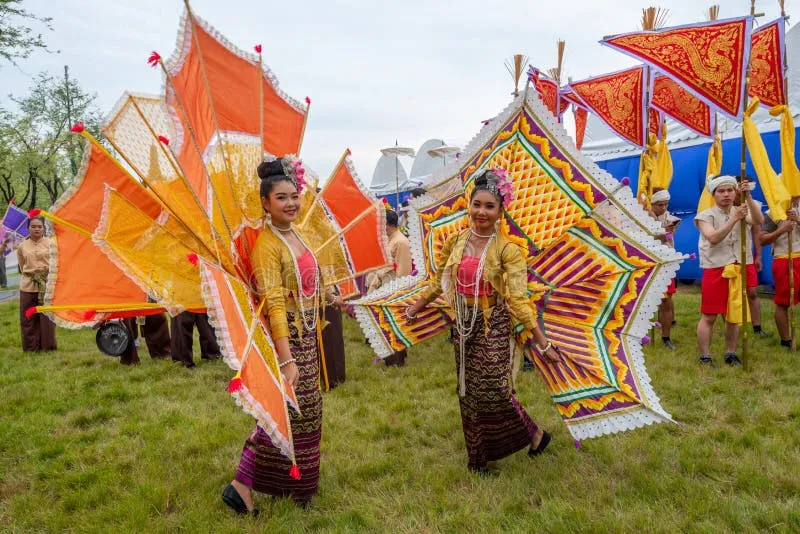
The Royal Coronation Ceremony is a three-day event that combines Brahminical-Hindu and Buddhist traditions. It includes the purification of the King, after which the King is formally announced as the crown holder and the upholder of Buddhism.
The ceremony symbolizes the strong connection between the monarchy and the general public.
Royal Birthdays: Why the Streets Turn Yellow and How to Participate in the Celebration
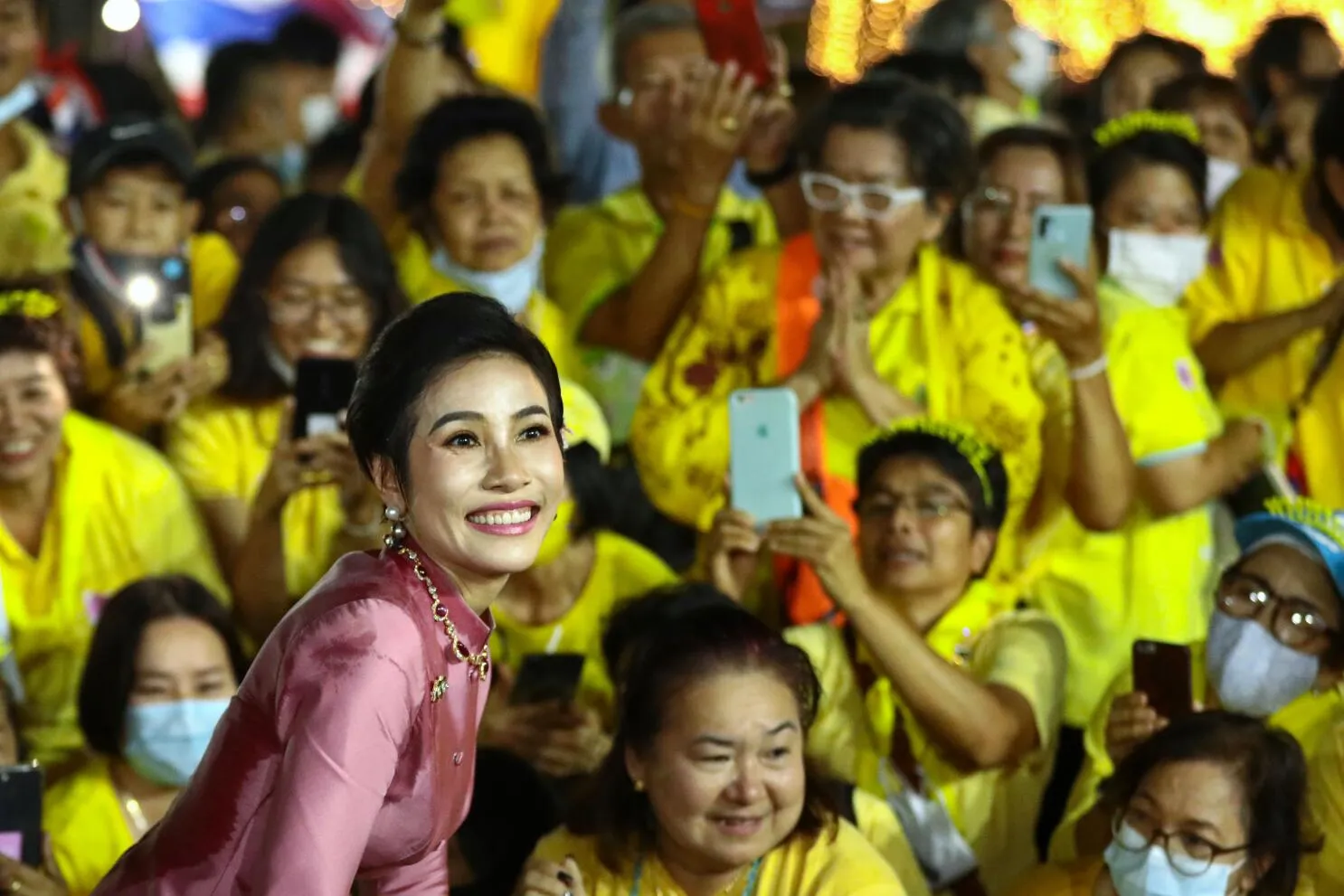
There are two royal birthdays with very significant national celebrations:
-
King Rama X – 28 July (National Day and public holiday)
-
King Bhumibol Adulyadej – 5 December
During these celebrations, the streets often turn yellow to show loyalty and respect for the King’s birthday. Many Thai people wear yellow clothing on these days as a sign of devotion to the King. This has become both a tradition and an astrological belief.
Both kings were born on Monday, and in Thai culture Monday is associated with the color yellow.
On these days, people perform good deeds, such as offering food to monks or making charitable donations. Temples often hold special ceremonies, and the public may be invited to sign blessing books at the Grand Palace.
Tip:
Wearing yellow clothing on Mondays is considered a respectful gesture.
Temple Ties: The Monarchy’s Role as the “Protector of All Religions”
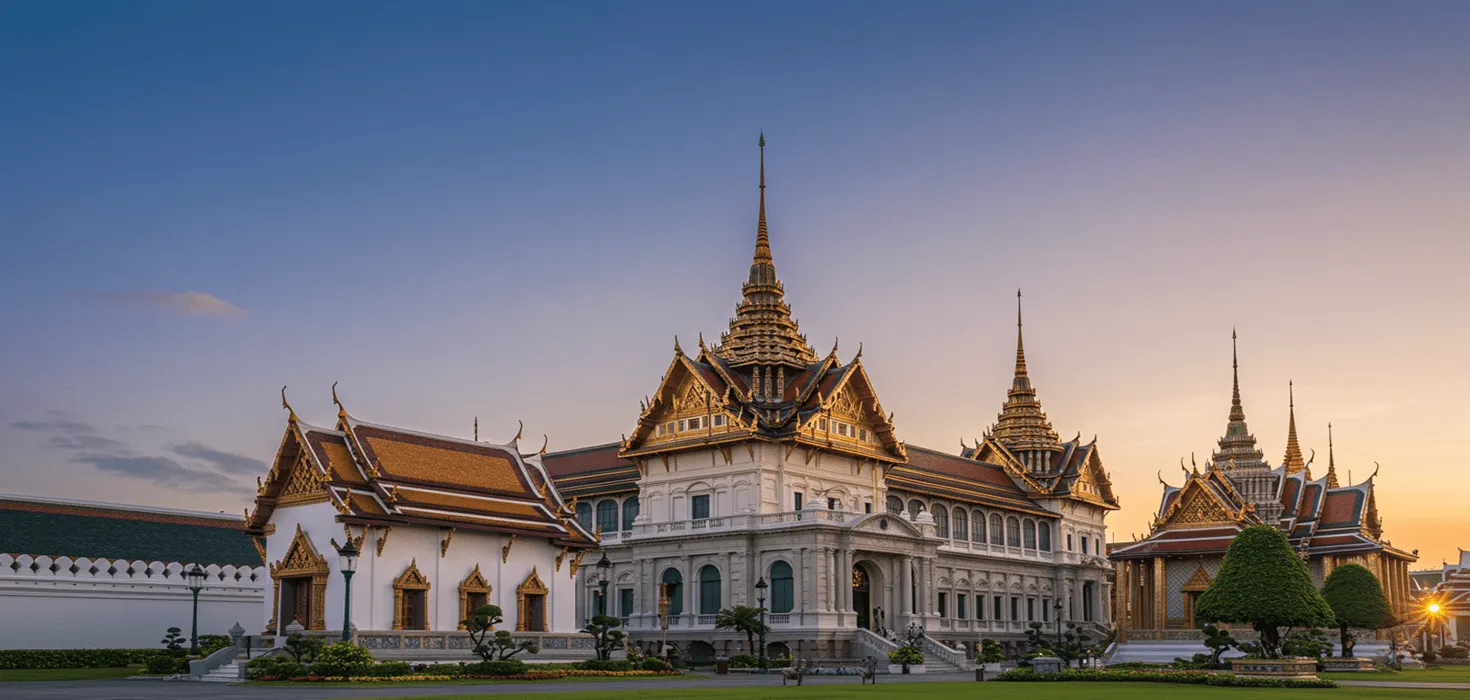
“Protector of All Religions” is one of the important roles of the monarch, as written in the Thai Constitution. The King must be Buddhist, but he also ensures harmony among other religions such as Islam, Christianity, Hinduism, and others.
This is one reason why the King of Thailand supports religious diversity. For example, Thailand has more than 4,000 mosques for Muslims and more than 5,500 churches for Christians. The King also attends religious ceremonies of different faiths.
Because of this support for religious harmony, the King is often called the protector of religious diversity.
The Visitor’s Conduct: Grace in Every Gesture
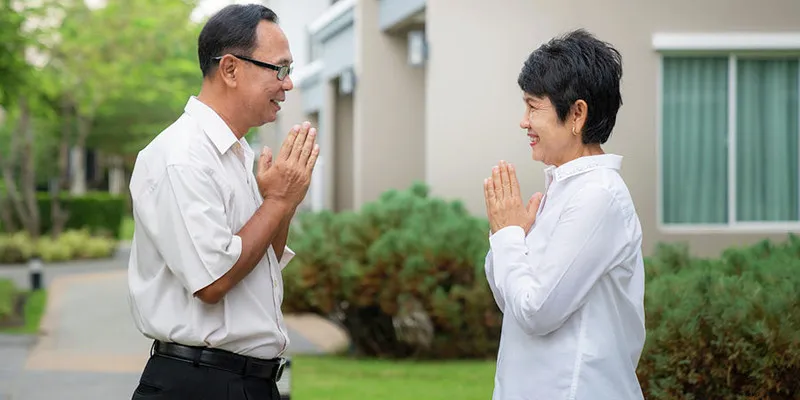
In Thailand, “Grace in Every Gesture” is not just a slogan; it is a way of life. The conduct of visitors is very important in this Land of Smiles.
Practices such as performing the wai greeting (or returning a wai), respecting the vertical rule that the head is sacred and the feet are unclean, sitting properly in temples or near Buddha images or monks, controlling one’s temper, and showing respect for the monarchy all represent proper visitor conduct in Thailand.
Dress Code Diplomacy: Elevating Your Attire When Entering Royal-Linked Palaces or Shrines

More than 93% of Thai people are Buddhist, and they have strong affection and respect for their King, temples, and religious shrines.
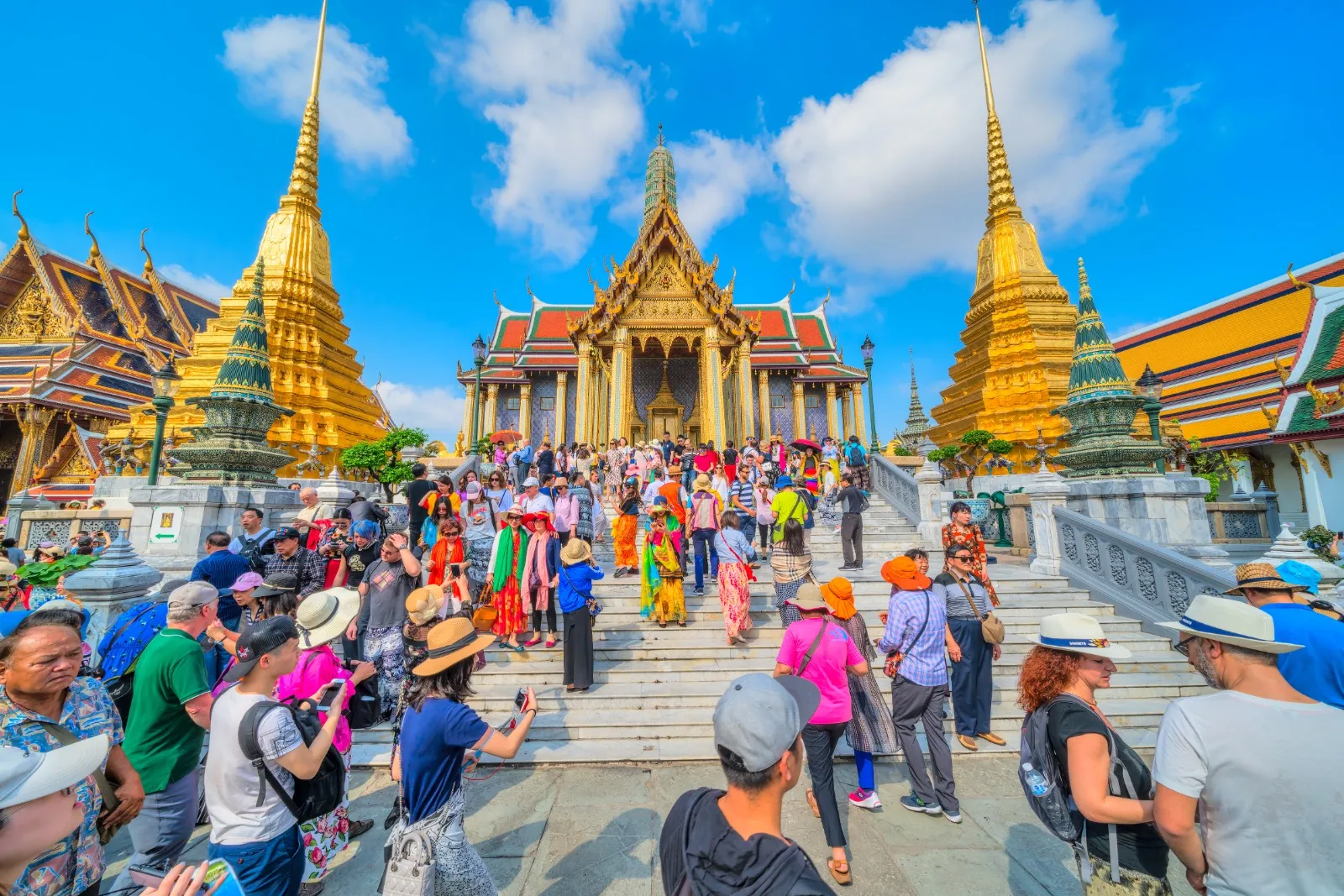
It is a Thai tradition and expectation that tourists visiting temples and the Grand Palace should have their shoulders, chest, and knees covered. This rule applies to both men and women, so it is better to wear loose and modest clothing.
In many cases, violating this rule may lead to denied entry.
Prohibited clothing includes:
-
Sleeveless shirts
-
Vests
-
Short shorts
-
Mini skirts
-
Tight or revealing clothing
Tip for women:
Scarves or shawls are usually not accepted as a substitute for covering bare shoulders, so it is better to wear a proper top.
In many places, pants or cover-ups are available for rent near temple entrances.
The Physical Hierarchy: Keeping Your Head Lower Than Royal Imagery and Avoiding Pointing
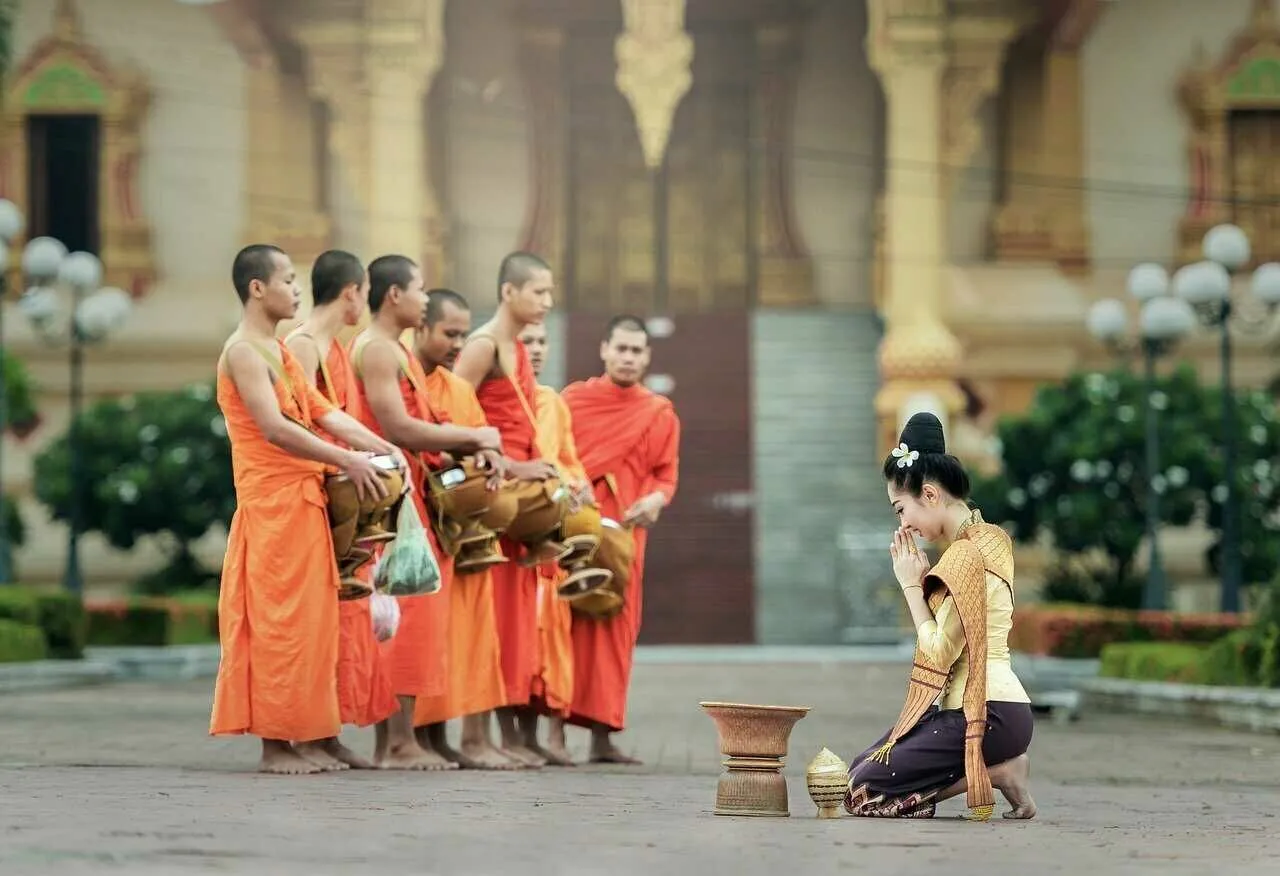
Understanding physical hierarchy (from high to low) is very important in Thai culture. It is an ancient cultural belief that remains deeply rooted in Thai society.
People with higher social or spiritual status—such as monks, royalty, elders, and respected figures—are symbolically placed above others. The head is considered sacred, while the feet are considered the lowest part of the body.
For this reason:
-
Pointing your feet toward Buddha statues, monks, or people is considered disrespectful.
-
Buildings often reflect hierarchy, with elite structures having higher roofs.
-
The wai greeting also reflects levels of respect:
-
Hands raised to the nose or eyebrow level for monks and royalty
-
Hands raised to the chest level for others
-
Visitors should also try to keep their head lower than a monk’s when passing by and always remove shoes when entering temples or Thai homes.
Spoken Respect: How to Refer to the Royal Family in Polite Conversation
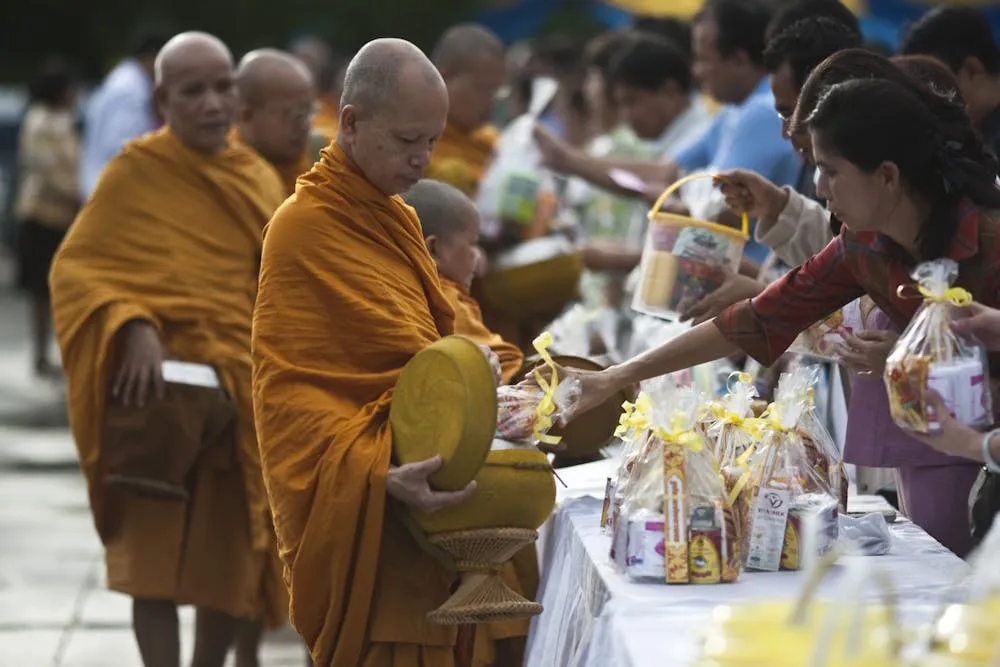
A very high level of respect is required when referring to the royal family in conversation. The King is deeply revered and regarded as a highly respected figure in Thailand.
Visitors should always speak politely and avoid any form of disrespect or criticism toward the monarchy.
Common Pitfalls & Practical Wisdom
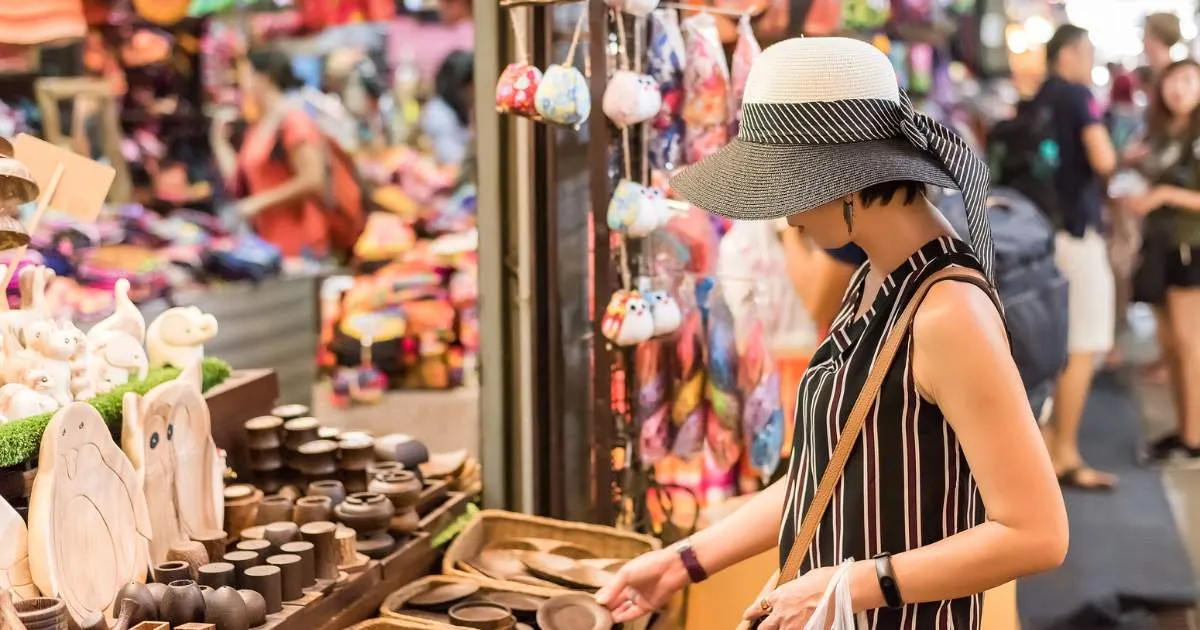
Visitors should respect Thai culture in every way, especially regarding the monarchy and religion.
Some useful tips include:
-
Stay hydrated in Thailand’s hot climate.
-
Be cautious of common tourist scams.
-
Thai food is often very spicy, so inform restaurants in advance about your preferred spice level.
-
Avoid touching the heads of Thai people, as the head is considered sacred.
-
Keep some cash for small payments.
-
Adopt the “Mai Pen Rai” (no worries) attitude and keep smiling.
-
Follow dress codes at the Grand Palace and temples.
The “Ignore & Observe” Rule: What to Do If You Aren’t Sure How to Behave
There is a common saying: “When in doubt, follow the lead of the locals.”
Thai people are generally forgiving and welcoming toward tourists. If you are unsure about proper behavior, it is best to follow an “ignore and observe” approach and watch what locals do.
If you make a mistake, offer a sincere apology with a smile. Always try to remain calm and polite.
Temple Scams Revisited: Why “The Palace Is Closed Today” Is Almost Always a Ruse

There is a common scam around popular tourist destinations in Thailand. It is often carried out by taxi or tuk-tuk drivers who may say:
“The palace is closed today. I will take you to a cheap gem or jewelry shop instead.”
In reality, these shops are usually overpriced stores that pay commissions to drivers.
It is best to ignore such offers and instead confirm information from official security guards or police officers.
Frequently Asked Questions (FAQs)
1. Why is the Thai monarchy so respected in Thailand?
The Thai monarchy has played an important role in the country’s history, culture, and national unity for centuries. Thai people deeply respect the King and the royal family, considering them symbols of stability, spiritual guidance, and national pride.
2. What should tourists do when the Thai national anthem is played?
The Thai national anthem is played twice daily in many public places such as parks, train stations, and schools. When the anthem is played, both locals and visitors are expected to stop what they are doing and stand still as a sign of respect.
3. Do tourists have to stand for the Royal Anthem in cinemas?
Yes. The Royal Anthem is played before movies in cinemas across Thailand. Visitors are expected to stand quietly during the anthem to show respect for the monarchy.
4. Is it illegal to criticize the Thai monarchy?
Yes. Thailand has very strict Lèse-Majesté laws (Article 112 of the Criminal Code) that prohibit insults, criticism, or threats against the King, Queen, heir apparent, or regent. Violating this law can lead to serious penalties, including imprisonment.
5. Can tourists get in trouble for social media posts about the monarchy?
Yes. The law also applies to online activities, including social media posts, comments, shares, and even likes that may be considered insulting or defamatory toward the monarchy. Tourists should always avoid discussing or criticizing the monarchy online.
6. Why should you not step on Thai currency?
Thai currency contains images of the King, who is highly respected in Thailand. Stepping on a banknote or coin is considered disrespectful to the monarchy and is seen as a serious cultural taboo.
7. What should tourists wear when visiting temples or the Grand Palace?
Visitors should dress modestly when entering temples or royal sites. Shoulders, chest, and knees must be covered, and clothing such as sleeveless tops, short shorts, or mini skirts is not allowed. Loose and respectful clothing is recommended.
8. What is the “wai” greeting in Thailand?
The wai is the traditional Thai greeting where people place their palms together and bow slightly. It is used to show respect and politeness, especially when greeting elders, monks, or respected individuals.
9. What should visitors do if they are unsure about local customs?
If you are unsure about proper behavior, it is best to observe how local people behave and follow their lead. Thai people are generally friendly and understanding toward tourists who show genuine respect for their culture.
10. What are common scams tourists should watch out for near the Grand Palace?
One common scam involves drivers telling tourists that “the palace is closed today” and offering to take them to gem or jewelry shops instead. These shops are usually overpriced and pay commissions to drivers. Always verify information with official guards or police.
Conclusion

Understanding the Thai monarchy and royal customs is an important part of experiencing Thailand respectfully. The monarchy, Buddhism, and traditional values are deeply connected to the identity of Thai society, and visitors are expected to show awareness and respect toward these cultural foundations.
By following simple guidelines—such as standing for the anthem, dressing modestly in temples, respecting royal imagery, and avoiding sensitive discussions—tourists can enjoy a smooth and meaningful travel experience in Thailand.
Thailand is famously known as the “Land of Smiles,” and visitors who approach the country with politeness, curiosity, and cultural sensitivity will always be warmly welcomed by the Thai people.
Respect the traditions, observe local customs, and embrace the spirit of “Mai Pen Rai” (no worries)—and your journey through Thailand will become a truly memorable and enriching experience.
Additional FAQs
1. Is Thailand a monarchy or a democracy?
Thailand is a constitutional monarchy, where the King serves as the head of state while the country is governed by an elected government and a constitution.
2. Who is the current King of Thailand?
The current King of Thailand is King Maha Vajiralongkorn (Rama X), who ascended the throne in 2016 after the passing of King Bhumibol Adulyadej.
3. Why do Thai people wear yellow for the King?
Yellow is associated with Monday in Thai astrology, and both King Rama X and the late King Bhumibol Adulyadej were born on Monday. Wearing yellow symbolizes loyalty and respect toward the monarchy.
4. Are tourists required to follow Thai royal customs?
While tourists are not expected to know every tradition, they are expected to show respect for the monarchy, national symbols, and local customs while visiting Thailand.
5. What happens if someone disrespects the Thai monarchy?
Disrespecting the monarchy can lead to serious legal consequences under Thailand’s Lèse-Majesté laws, including imprisonment. Visitors should avoid any negative remarks or actions related to the royal family.
6. Can tourists visit the Grand Palace in Bangkok?
Yes. The Grand Palace in Bangkok is one of Thailand’s most popular tourist attractions. Visitors are welcome but must follow strict dress codes and respectful behavior guidelines.
7. Why are there so many portraits of the King in Thailand?
Portraits of the King and royal family are displayed in many public places such as government buildings, shops, streets, and temples as a sign of national respect and loyalty.
8. What should you do if you accidentally drop Thai money?
If you drop Thai currency, simply pick it up with your hand. Avoid stepping on it or using your foot to stop it, as that is considered disrespectful.
9. Is Thailand a religious country?
Yes. Thailand is a deeply spiritual and religious country, with about 93% of the population practicing Buddhism, while other religions such as Islam, Christianity, and Hinduism are also present.
10. Can tourists attend royal ceremonies in Thailand?
Some royal celebrations and public ceremonies can be viewed by tourists, especially national celebrations, royal birthdays, and cultural processions. However, certain royal events are restricted to official participants.
11. Why are monks highly respected in Thailand?
Monks are highly respected because they represent Buddhist teachings and spiritual discipline. Many Thai men temporarily become monks at some point in their lives as a religious tradition.
12. Is pointing feet considered rude in Thailand?
Yes. In Thai culture, the feet are considered the lowest and least respectful part of the body, so pointing them at people, Buddha statues, or sacred objects is considered disrespectful.
13. Why should visitors remove their shoes in temples?
Removing shoes before entering temples is a sign of cleanliness and respect for sacred spaces in Buddhist culture.
14. Is it acceptable to touch a monk in Thailand?
Visitors should avoid physical contact with monks, especially women, as it goes against traditional monastic rules.
15. What is the cultural meaning of the “wai” greeting?
The wai greeting symbolizes respect, gratitude, and politeness in Thai culture. It is performed by pressing the palms together and slightly bowing the head.
16. Why is Thailand called the “Land of Smiles”?
Thailand is often called the Land of Smiles because Thai culture places great importance on politeness, friendliness, and maintaining a calm and pleasant attitude.
17. What does “Mai Pen Rai” mean in Thailand?
“Mai Pen Rai” is a popular Thai phrase that means “no worries” or “it’s okay.” It reflects the relaxed and forgiving nature of Thai culture.
18. What behavior should tourists avoid in Thailand?
Tourists should avoid:
-
Disrespecting the monarchy
-
Touching someone’s head
-
Pointing feet toward people or sacred objects
-
Wearing inappropriate clothing in temples
-
Public arguments or aggressive behavior
19. Are Thai people strict about cultural etiquette?
Thai people are generally very understanding toward tourists, but they appreciate visitors who make an effort to respect their culture and traditions.
20. How can tourists show respect for Thai culture?
Tourists can show respect by:
-
Dressing modestly at temples
-
Standing for the national anthem
-
Being polite and calm in public
-
Respecting monks and religious places
-
Avoiding criticism of the monarchy
Visual Journey


Zach Cameron & Zahid Karim
Travel Analyst | 11+ years experience










Community Insights
Join the conversation
Login or create an account to share your thoughts and react to comments.