
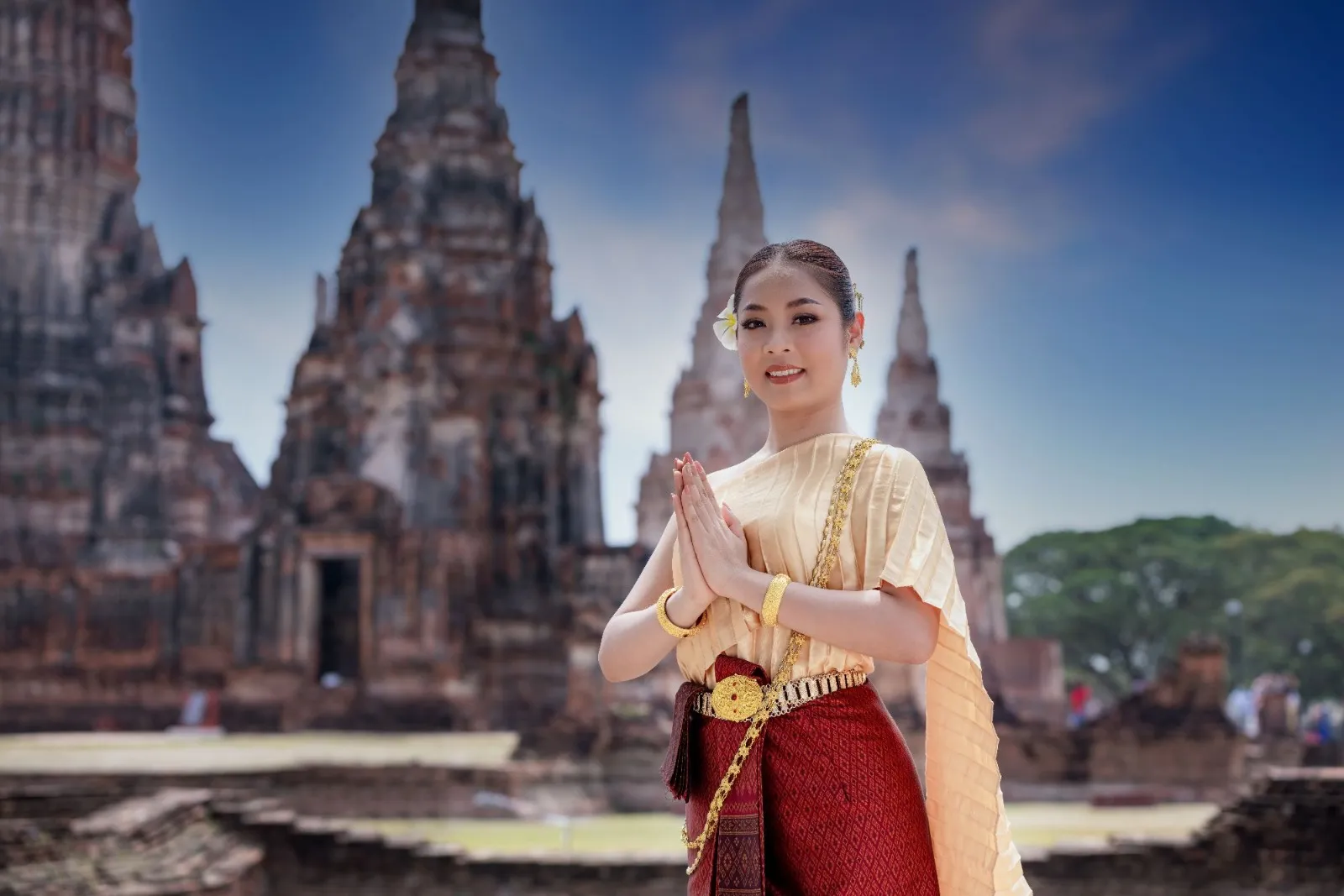
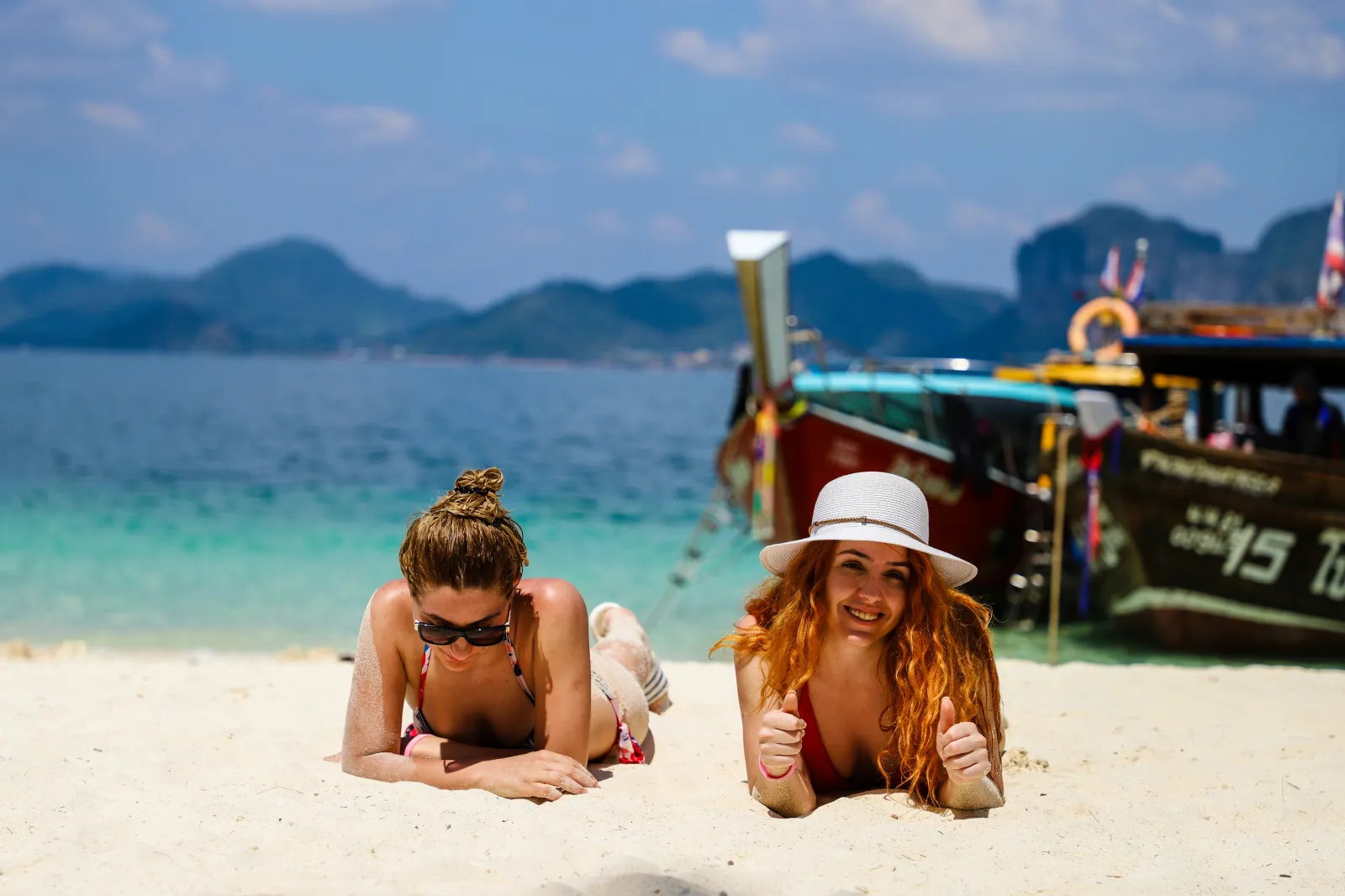
This guide is for you if you are a tourist, whether a backpacker, budget traveler, or someone planning a luxurious escape, and visiting Thailand for the first time. Traveling in Thailand is not only fun and entertaining but also one of life’s greatest wonders and surprises. From relaxing on stunning white sandy beaches to admiring charming and magnificent Buddha statues and temples, and experiencing breathtaking natural beauty, Thailand offers unforgettable moments.
Here, you will find a detailed breakdown and thorough information to give you a clear picture and help you plan your trip in the best possible way.
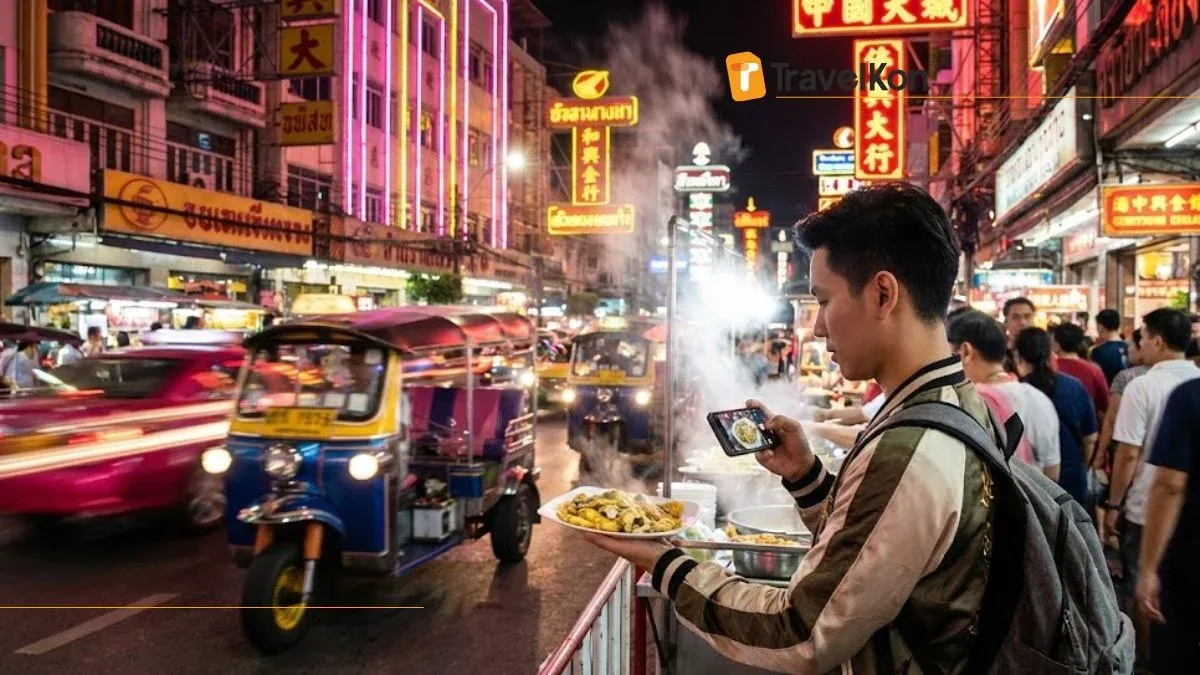
It becomes a dreamy and unforgettable memory as you walk through night markets, enjoy drinks in shady bars, have fun in nightclubs, and taste some of the world’s best cuisine at roadside food stalls, hotels, and restaurants.
Table of Content
- Welcome to Thailand: What First Time Visitors should know?
- Why Thailand is Perfect for First Time International Travelers?
- Understanding Thailand’s Climate Before you Book
- Entry Rules, Visa & Arrival Process Explained Simply
- Budget Planning, Realistic Travel Costs Breakdown
- How Long Should your First Thailand Trip be?
- Simple Route Planning for First Time Visitors
- Must See destinations for Beginners
- Bangkok: City Energy & Cultural Highlights
- Chiang Mai: Temples & Mountains Scenery
- Phuket: Beach Life & Island Hopping
- Krabi: Limestone Cliffs & Relaxed Vibes
- Koh Samui: Island Comfort & Night-life
- Navigating Thailand: Flights, Trains, Buses and Boats/Ferries
- Choosing the Right Accommodation for Your Style
- Beginner’s Introduction to Thai Cuisine
- Safety, Scams & Smart Travel Habits – The Most Important
- Health Advise & Travel Insurance Basics
- Packing Smart for Thailand’s Weather & Culture
- Cultural Etiquette: Do’s and Don’ts for Travelers and Visitors
- Helpful Travel Apps & Digital Tools
- Avoiding Common First Time Travel Mistakes
- Frequently Asked Questions
1. Welcome to Thailand: What First Time Visitors should know?
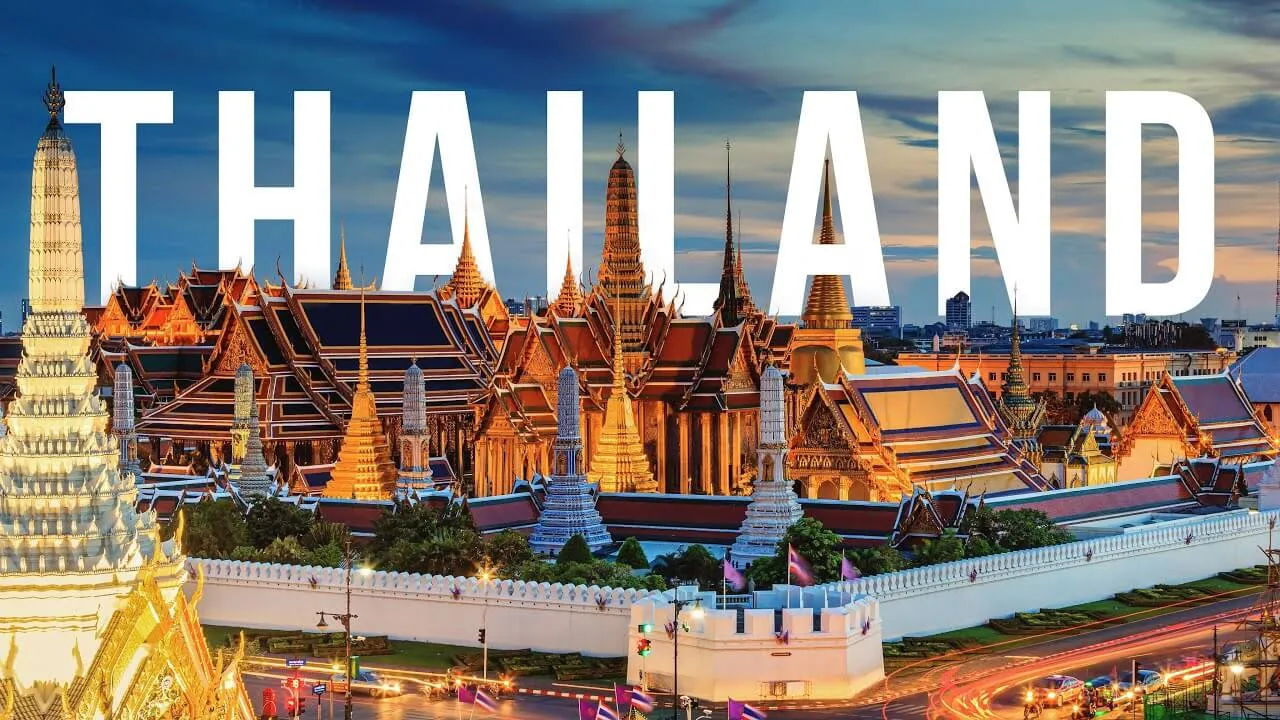
This is an introduction to traveling in Thailand. Remember, it is waiting for you to explore. Thailand is located in Southeast Asia. Its official name is the Kingdom of Thailand (formerly known as Siam).
First-time visitors should know and follow these tips:
-
Learn some basic Thai travel phrases, such as:
-
“Chai” means Yes (rhymes with eye)
-
“Mai” means No (rhymes with eye)
-
“Sabai dee mai” means How are you? (Sa-bye dee my)
-
“Khop Khun” means Thank you (Kop koon)
-
-
Bargain at markets, shops, food stalls, and especially when hiring a tuk-tuk.
-
Respect Thai temples, the royal family, Buddha statues, monks, and, most importantly, Thai culture.
-
Try different types of Thai food, as Thailand is famous for having some of the world’s best cuisine.
-
Avoid drinking tap water throughout Thailand.
-
Drink plenty of bottled water and eat fresh fruits daily.
2. Why Thailand is Perfect for First Time International Travelers?
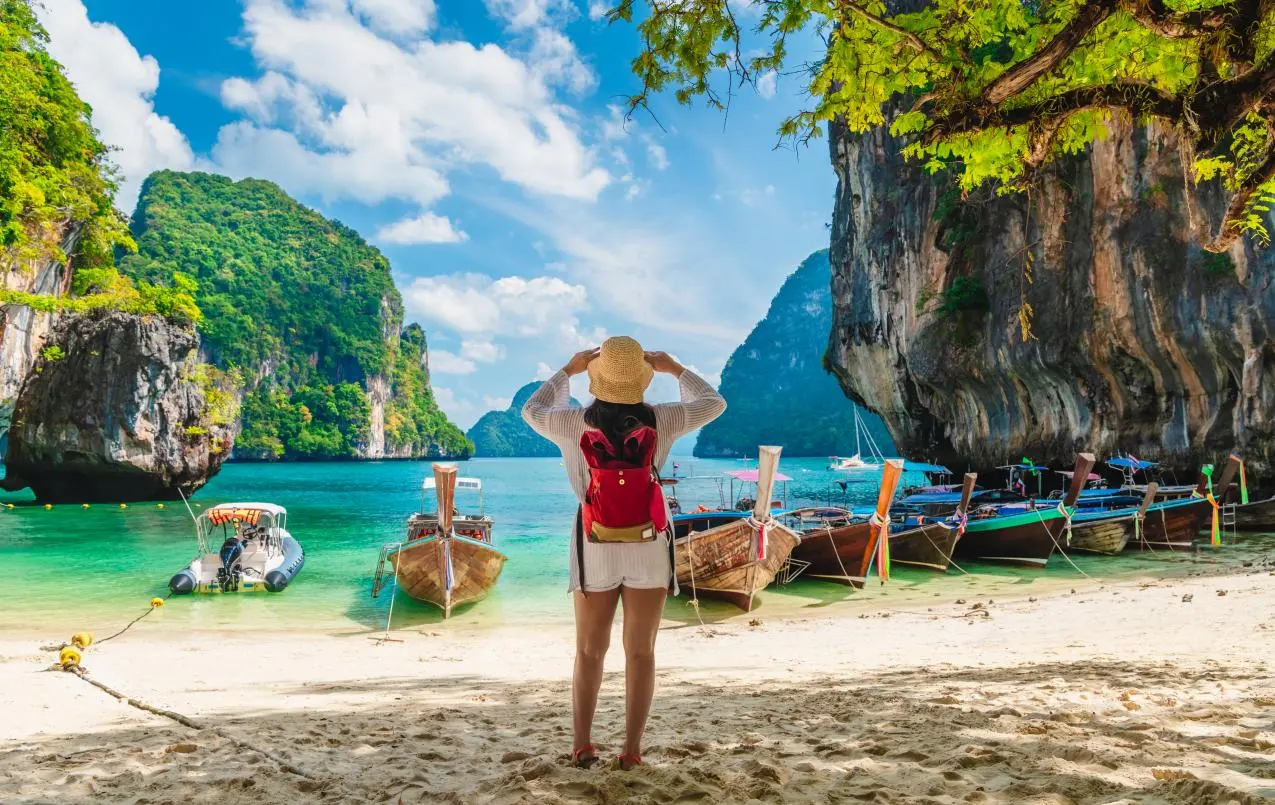
Why visit amazing Thailand as a first-time traveler? This is an important question, and the answer is simple. Thailand is a perfect destination because it offers a budget-friendly travel experience, a well-developed tourism infrastructure supported by the Thai government, and everything a traveler could need.
From cheap and comfortable hotels to world-class cuisine, inexpensive transportation, and stunning natural beauty including beaches, mountains, jungles, and islands, Thailand truly has something for every type of traveler. Its liberal visa policies also make it easy to visit.
It is especially ideal for honeymooners and family trips.
3. Understanding Thailand’s Climate Before you Book
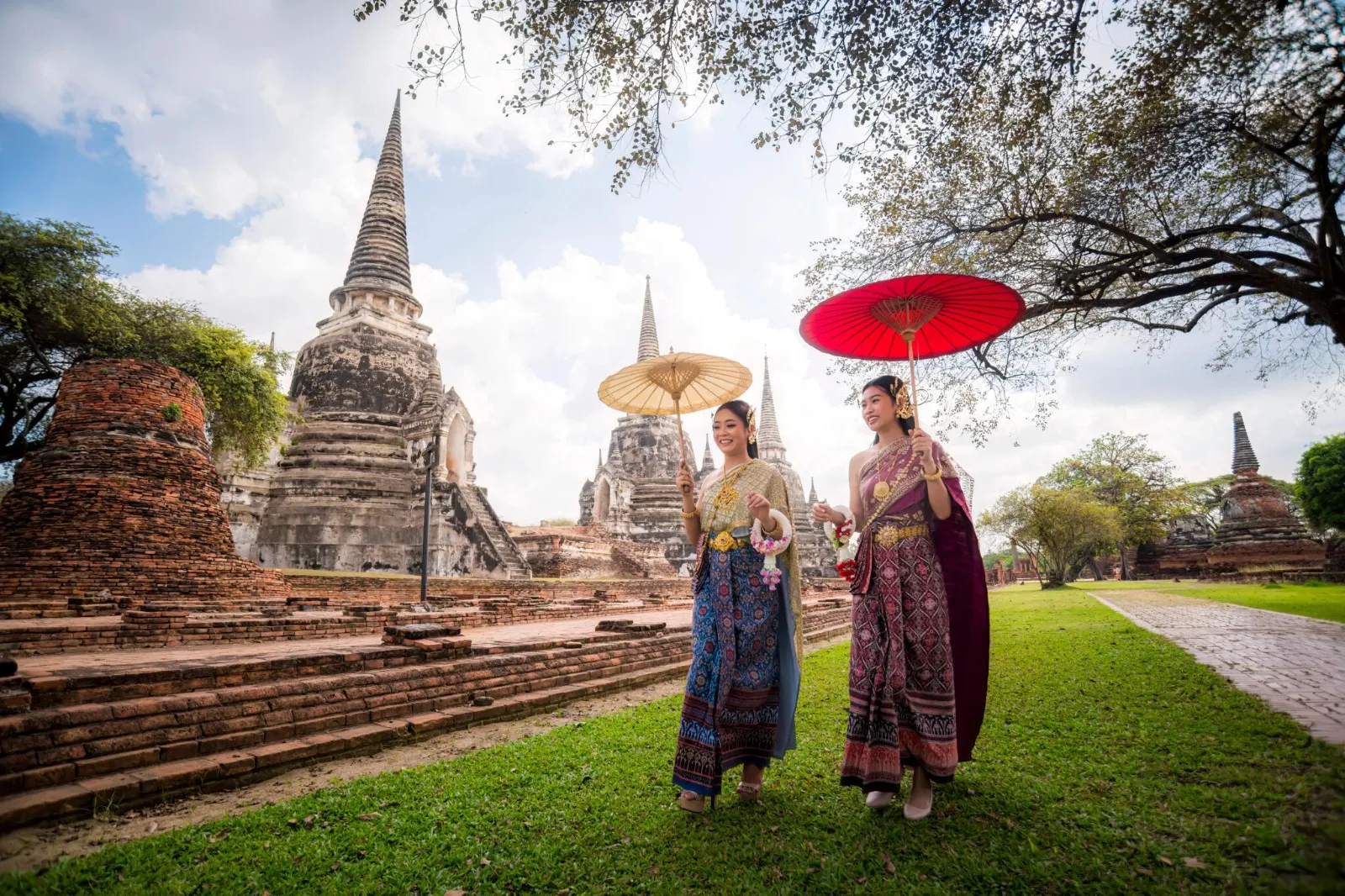
It is important to know the best time to visit Thailand as a first-time traveler. Thailand has three main seasons:
I. Hot Season (March to May)
II. Rainy Season (June to October)
III. Cool/Dry Season (November to February)
Although Thailand can be visited throughout the year, the best time to visit is during the cool and dry season, especially from November to February. During this period, the weather is pleasant, rainfall is low, and many Thai festivals take place.
The hot season, from March to May, is a great time to enjoy the stunning beaches. However, city tours can be challenging due to extreme heat and high humidity. Temperatures can exceed 40°C (104°F) during this time.
In the rainy season, hotel and resort prices, food, and transportation costs are generally lower. However, there are fewer tourists during this period due to frequent rainfall.
Overall, December and early January are considered the best times to visit and explore Thailand because of the excellent weather and festive atmosphere.
4. Entry Rules, Visa and Arrival Process Explained Simply-2026
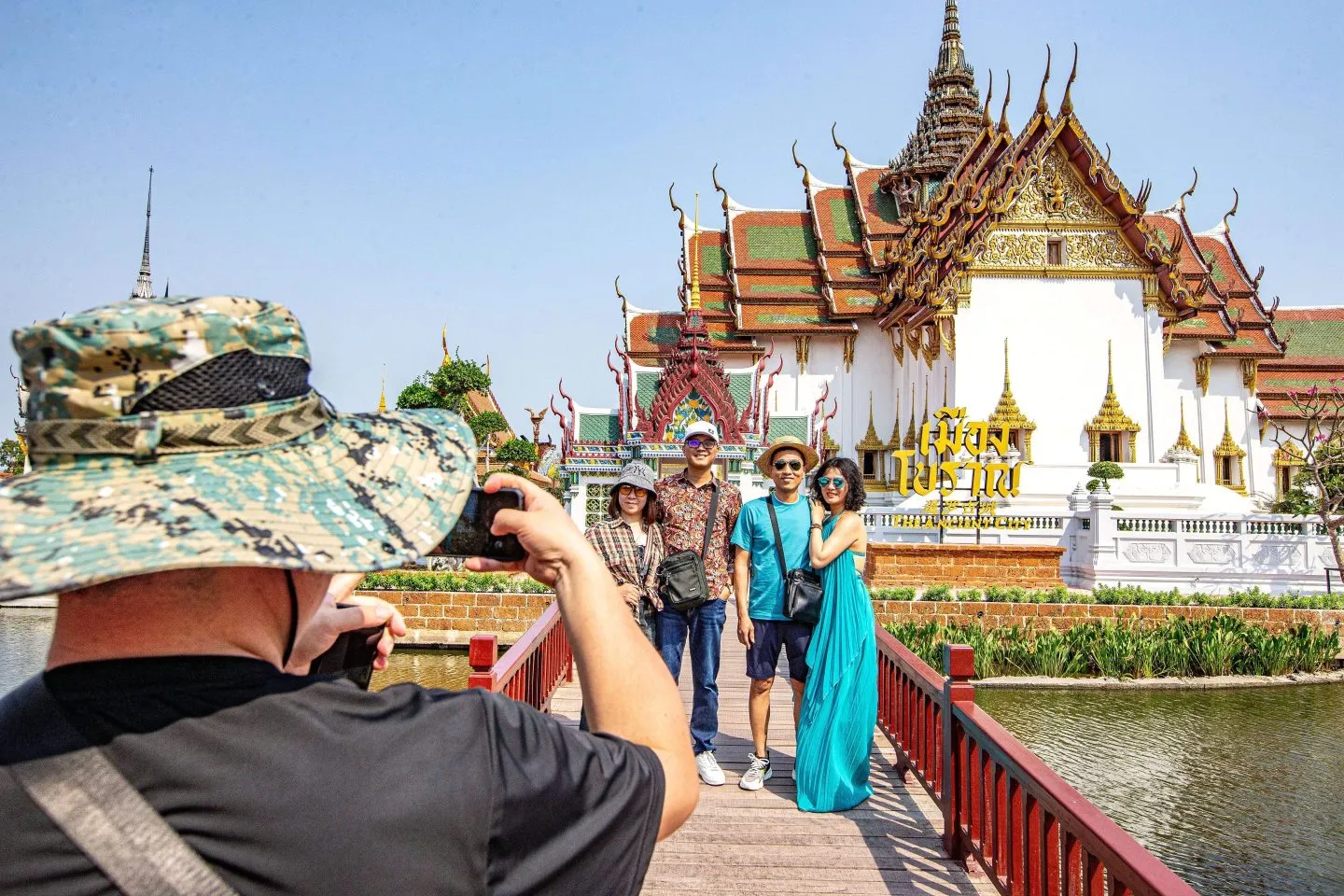
It is important for first-time travelers to understand that Thailand’s visa requirements are relatively simple. This is because Thailand strongly relies on its tourism industry, which is well supported by the government.
Basic Entry Requirements
-
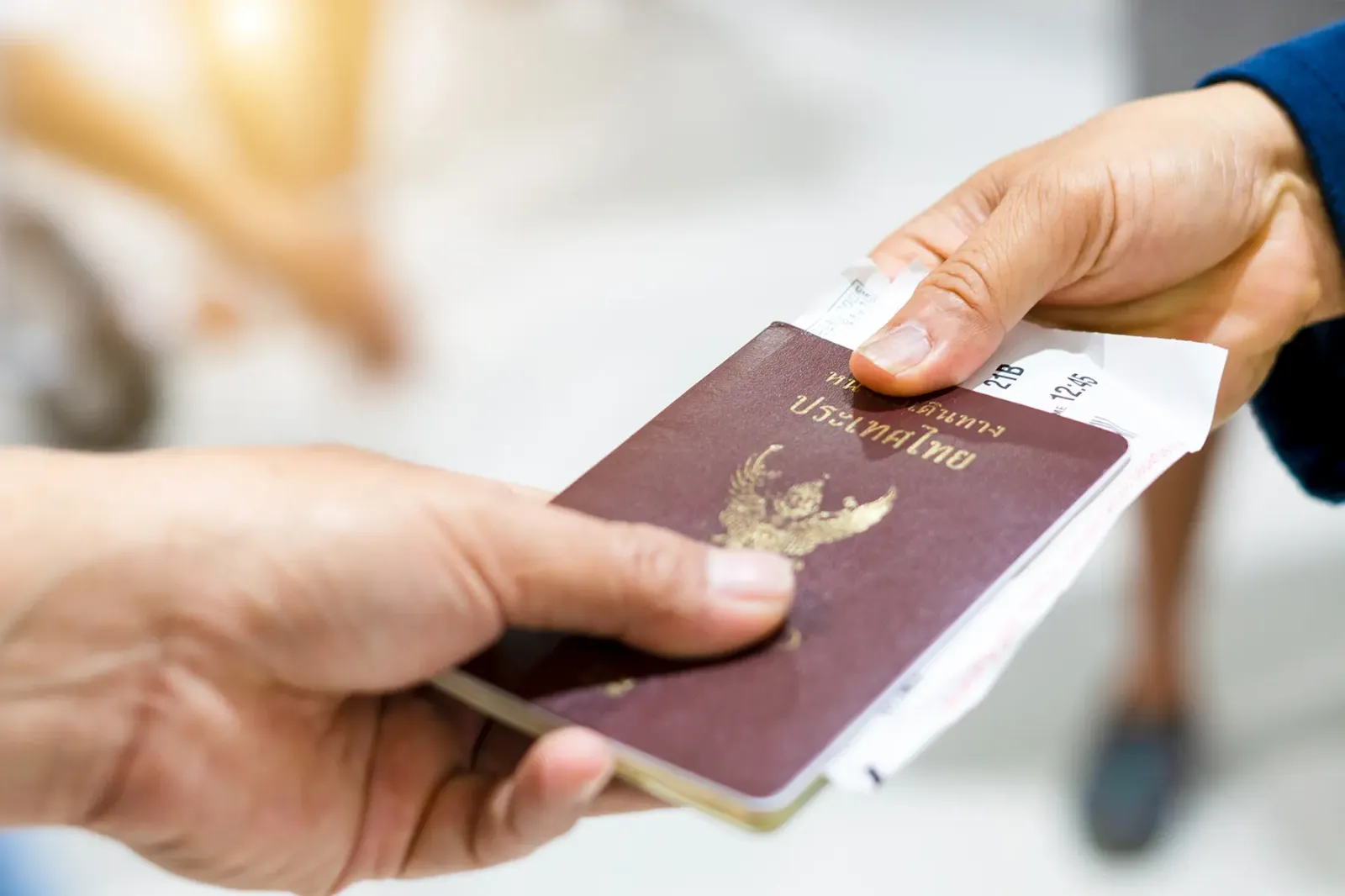
A valid passport with at least 6 months of remaining validity
-
A Thailand Digital Arrival Card (TDAC), duly completed (free of charge)
-
Proof of hotel or resort booking
-
A confirmed return or onward flight ticket
-
Proof of sufficient funds (approximately 20,000 to 40,000 THB per person)
Thailand Visa Policy
Thailand’s visa policy varies depending on nationality. Citizens of many countries are eligible for visa exemption or visa on arrival.
The Tourist Visa is generally available in two types:
-
Single Entry Tourist Visa (allows a stay of up to 60 days)
-
Multiple Entry Tourist Visa (valid for 6 months, with a maximum stay of 60 days per visit)
Both types can usually be extended for an additional 30 days at an immigration office in Thailand.
Currently, 93 countries are eligible for Thailand’s visa exemption program. Travelers from other countries must apply for a visa and pay the required fee before entering Thailand.
Thailand Visa Application Process
The visa application process is straightforward. Applicants must submit the completed application form along with the required documents to a Thai embassy or consulate, either in person or through an authorized visa processing center.
5. Budget Planning, Realistic Travel Costs Breakdown
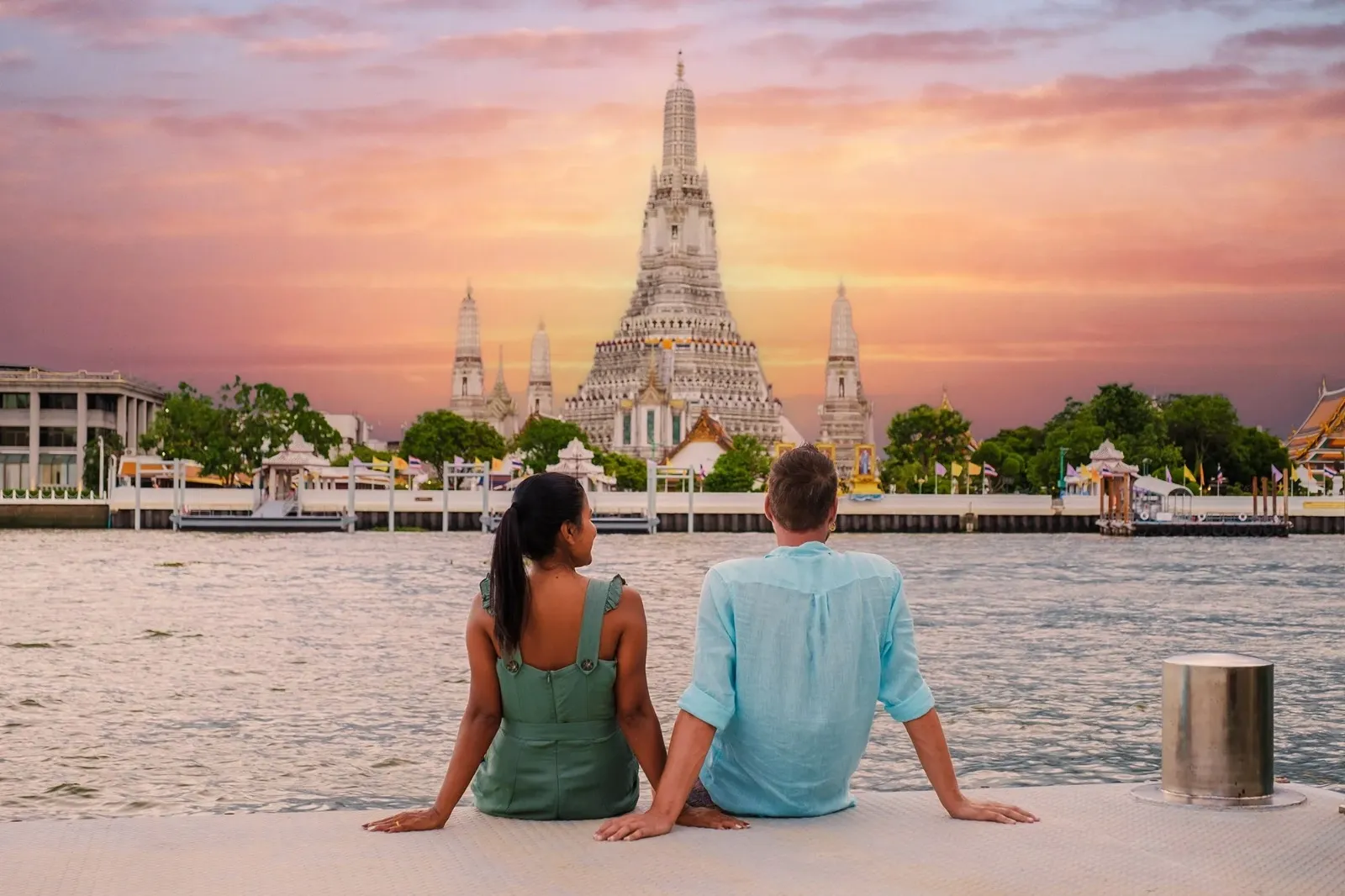
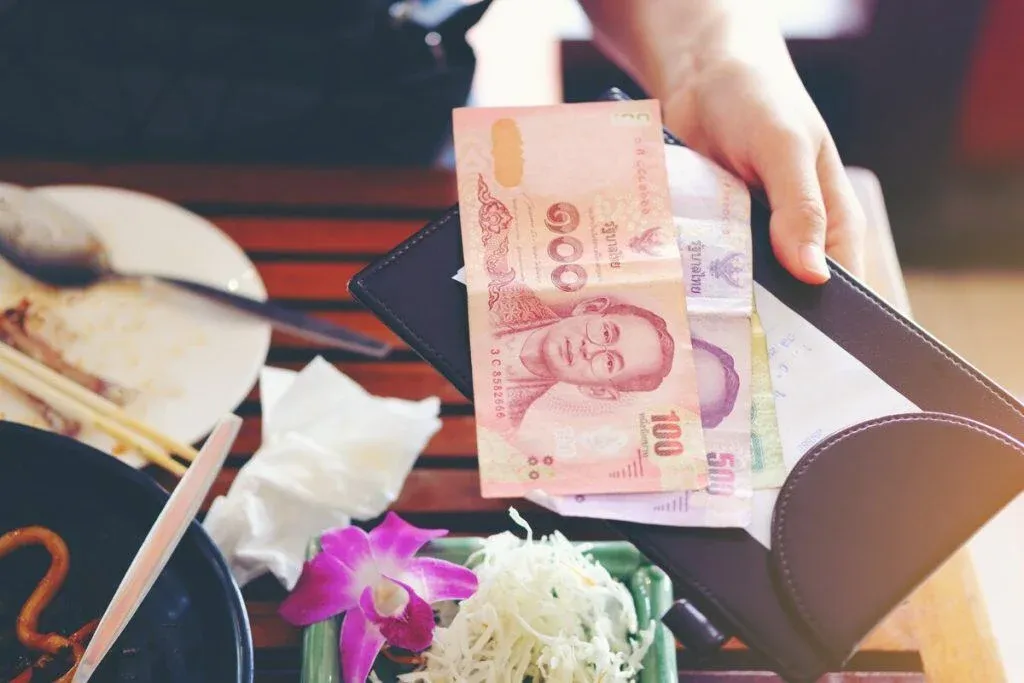
Budget guide: How much does a trip in Thailand cost in United States Dollar ($) or in Thai currency Bahts (THB) will be estimated and planned for Backpacker (BP), Budget Traveler (BT), and Luxury Trip (LT) accordingly.
1$ = 32 THB in Thailand (varies slightly up or down)
| Backpacker | Budget Traveler | Luxury Trip | |
|---|---|---|---|
| Accommodation (Per night) | $6 - $40 | $60 - $120 | > $150 |
| 200 – 1,300 THB | 2,000 – 3,900 THB | > 4,800 THB |
Advance booking to hotels can save a lot of money, and visiting in rainy or hot season also provides significant savings on budgets.
| Backpacker | Budget Traveler | Luxury Trip | |
|---|---|---|---|
| Dining Cost (Per Day) | $2 - $10 | $10 - $30 | > $40 |
| 65 – 320 THB | 320 – 1,000 THB | > 1,300 THB |
Thailand has the best food options at street food stalls and restaurants to luxurious dining halls.
| Backpacker | Budget Traveler | Luxury Trip | |
|---|---|---|---|
| Transportation Cost (Per Day) | $5 - $20 | $10 - $25 | > $30 |
| 160 – 640 THB | 320 – 800 THB | > 1,000 THB |
| Backpacker | Budget Traveler | Luxury Trip | |
|---|---|---|---|
| Daily Expected (Per Day) | $3 - $15 | $15 - $30 | > $30 |
| 100 – 500 THB | 500 – 1,000 THB | > 1,000 THB |
Mostly depends on individual travel style but includes tips, parks, temples or other historical site or cultural show entry fees, tea and fruit expenses, water, or other games. It also includes the cost of souvenirs.
It means on average $60 (2,000 THB) is the per day minimum cost of living in Thailand with all expenses of lodging, food, transportation, and miscellaneous. It excludes your own airfare to and back from your home.
Is Thailand Expensive? A Complete Budget Breakdown for Travelers
6. How Long Should your First Thailand Trip be?

How many days do I need in Thailand is an important question for tourists who want to travel to Thailand for the first time. Actually, the answer depends on your own capacity and capability—how many days and how much finances you can spare for this trip. But ideally, 10 to 14 days should be enough to visit and explore the major sites of Thailand. This may include Bangkok, the northern side (Chiang Mai, Pai Canyon, White Temple, etc.), and some beaches on the southern side of Thailand, such as Krabi’s Limestone Railay, Ao Nang, and Freedom Beach.
7. Simple Route Planning for First Time Visitors

There are so many dazzling and beautiful destinations in Thailand that are breathtaking and yet to be explored. In a 14-day trip, the route should start from Bangkok.
How to Plan the Perfect Thailand Trip: 7, 10, 14 & 21-Day Itinerary Options
3 Days in Bangkok
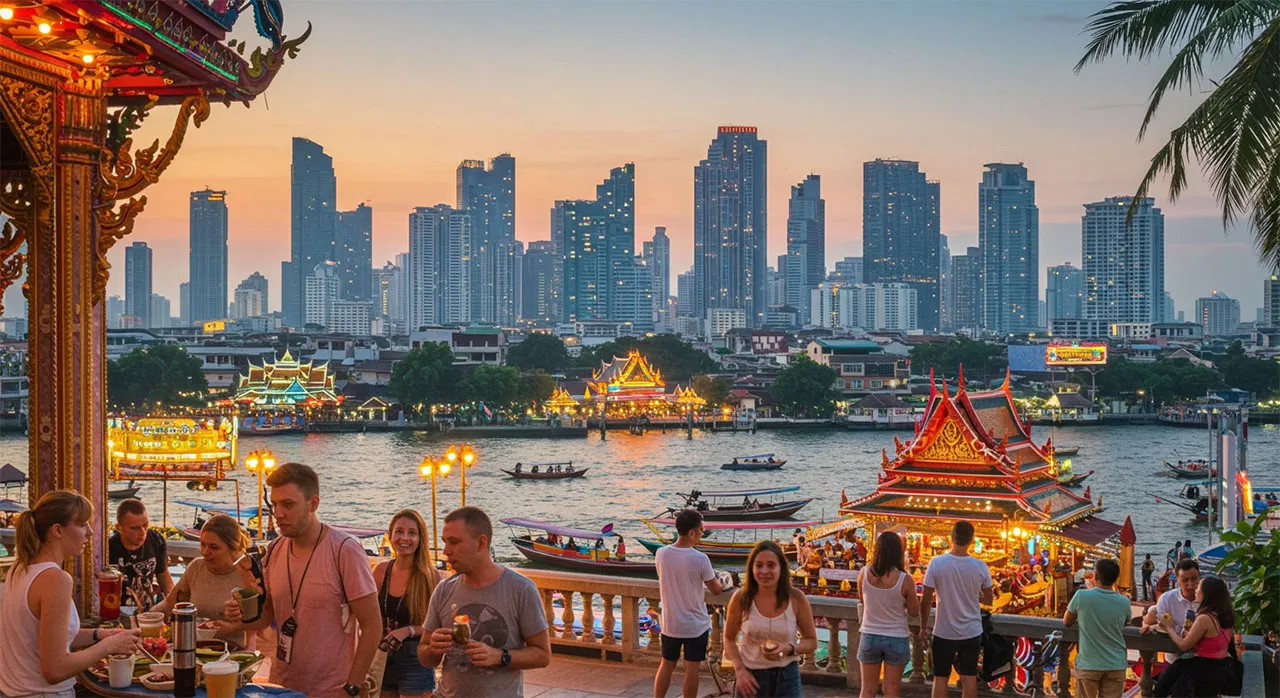
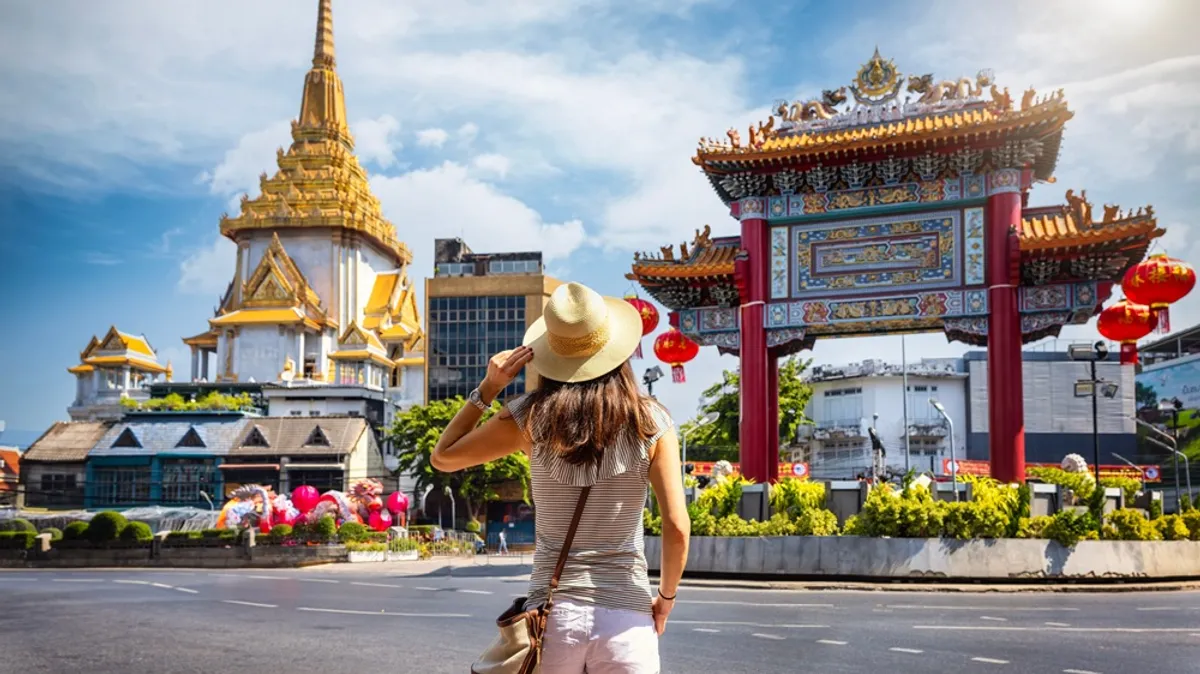
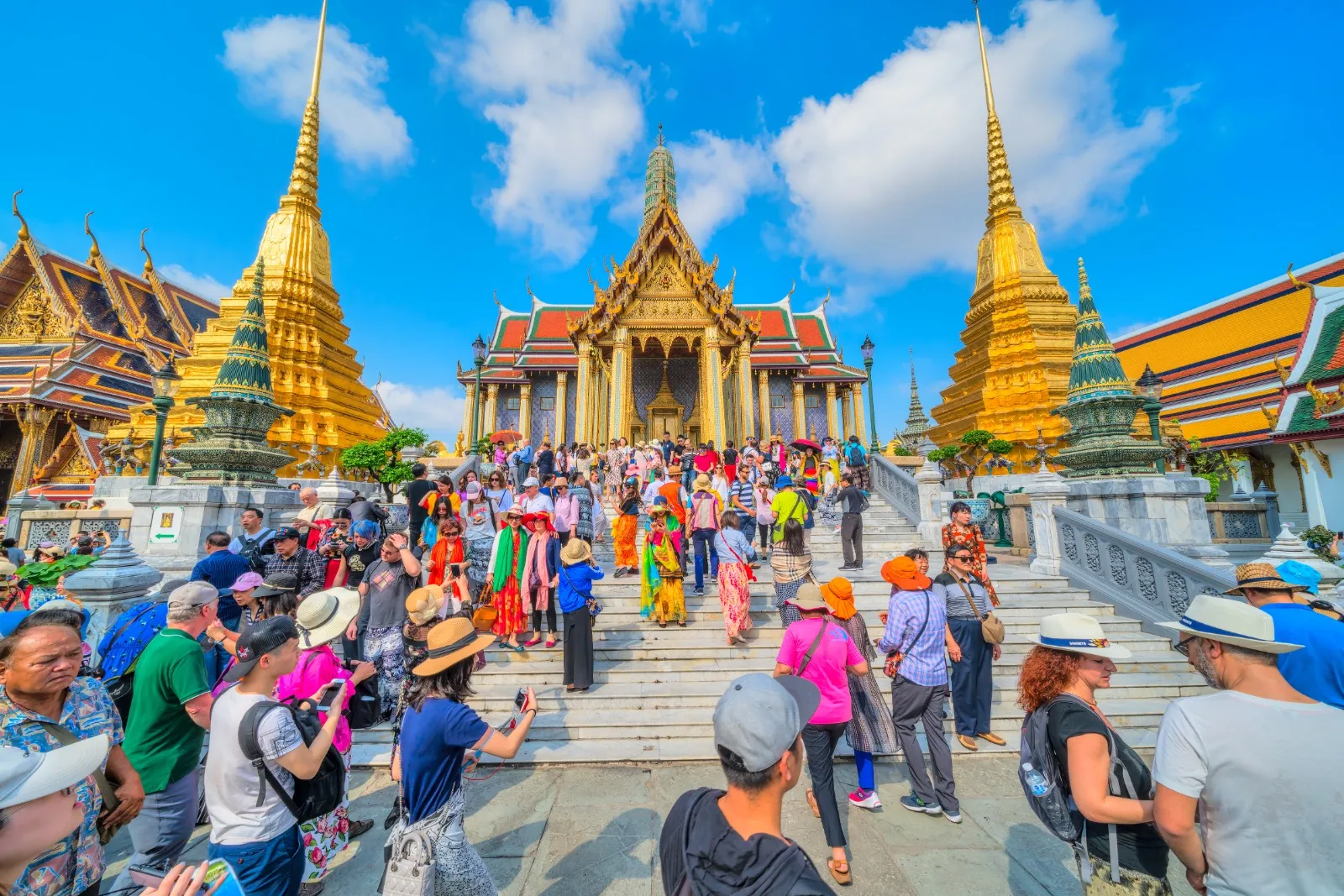
It’s time to visit the Grand Palace, Wat Pho, and Wat Arun. Explore Chinatown, Chatuchak Market, and Siam Paragon for shopping. Enjoy the nightlife at Khao San Road and take a boat ride on the Chao Phraya River.
4 Days in Chiang Mai
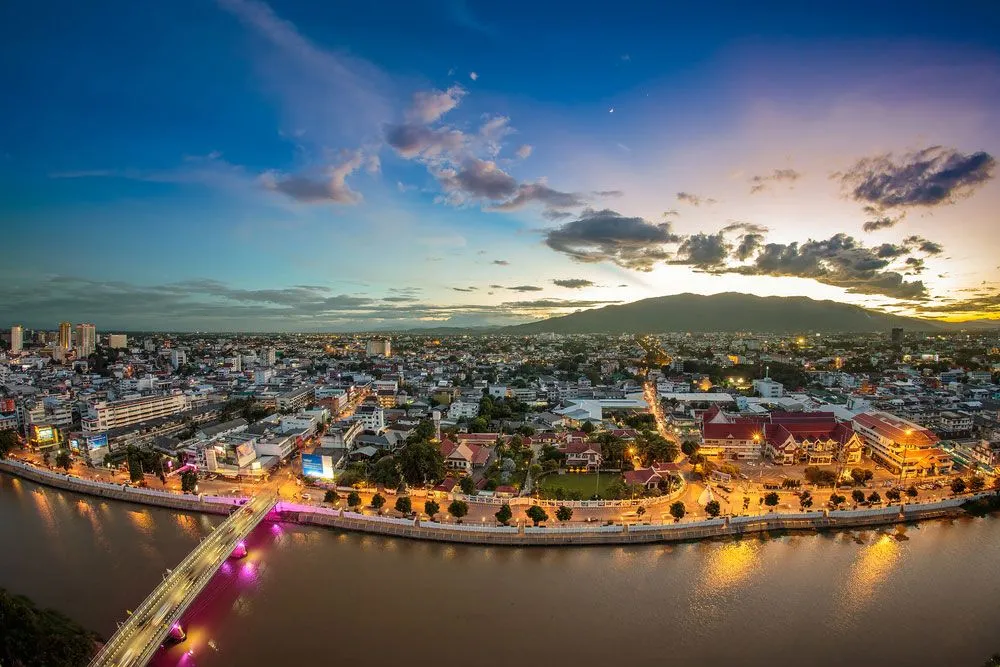
Explore Doi Suthep Temple and the Old City. Visiting the elephant sanctuary and the night bazaar will be an unforgettable experience. Doi Inthanon National Park and its waterfalls are full of natural beauty.
6 Days in Krabi or Phuket
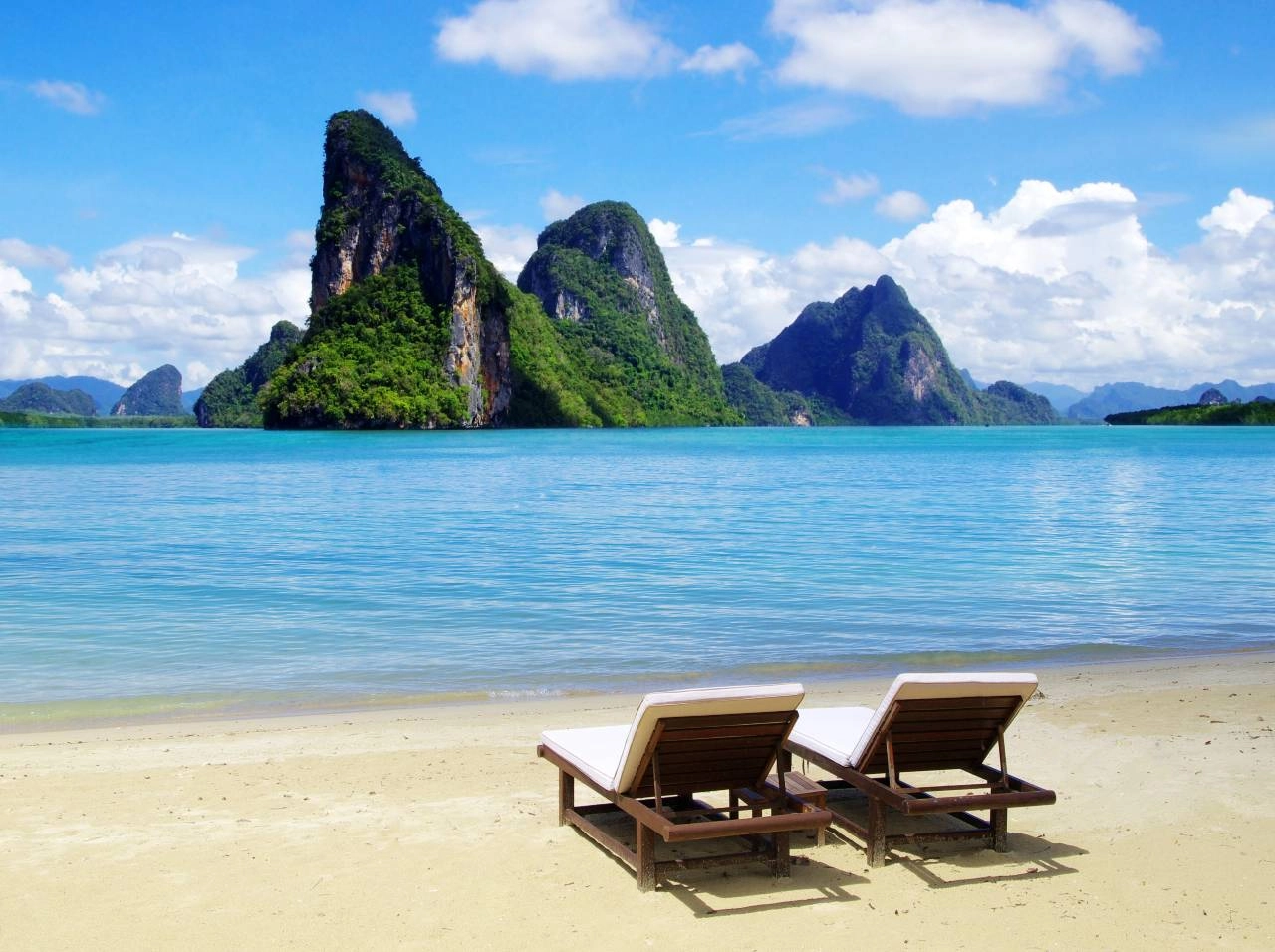
Relax on the stunning and world-famous beaches of Ao Nang or Kata Beach. Take a boat trip to Phi Phi Islands or Phang Nga Bay. You will also be excited to see the Big Buddha and the Emerald Pool.
8. Must-See Destinations for Beginners
Following are the top and best places to visit in Thailand and should be planned accordingly:
a. Bangkok:
It is a city where old and ancient traditions blend with modern city life. Bangkok is famous for its street food and nightlife. Must-visit places include the Grand Palace, Wat Phra Kaew, Wat Pho, Wat Arun, and life along the Chao Phraya River.
b. Chiang Mai:
Chiang Mai is worth visiting for natural beauty fans, particularly for its mountains, jungles, and waterfalls. There are more than 300 ancient Buddha temples and beautiful mountain scenery. Important sites include Wat Phra That Doi Suthep, Wat Phra That Doi Kham with its 17-meter Buddha, Doi Inthanon National Park, Wat Chedi Luang, and Elephant Sanctuaries. These are popular tourist spots.
c. Phuket:
Phuket is the largest island in Thailand and very popular among tourists due to its clear waters, beautiful beaches, and island hopping opportunities. Enjoy water sports at Patong Beach and dazzling nightlife along with Kata and Karon beaches. Surin Beach, Nai Harn, and Freedom Beach offer a relaxed vibe away from the crowds. A boat ride to Coral Island is ideal for water sports.
d. Krabi:
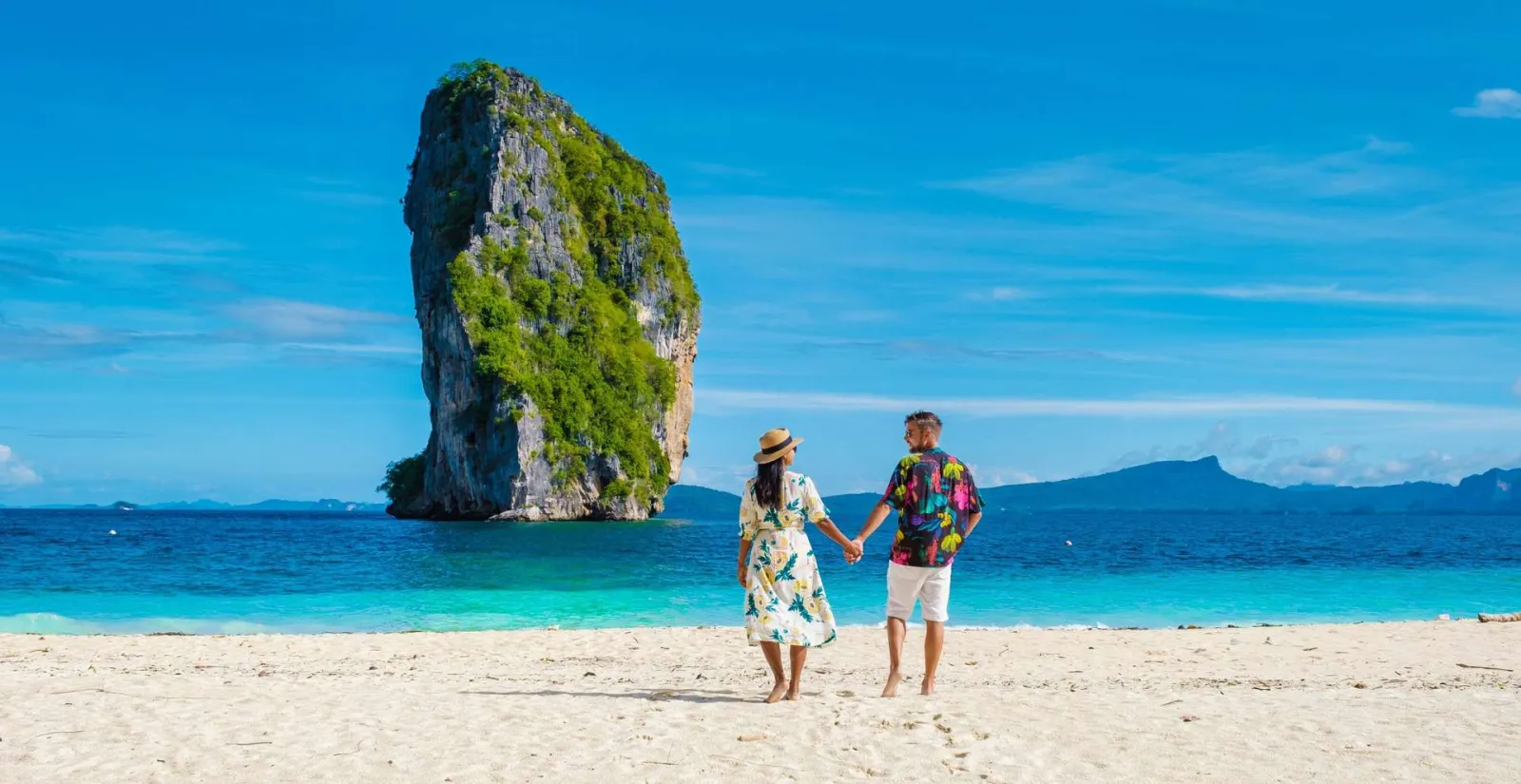
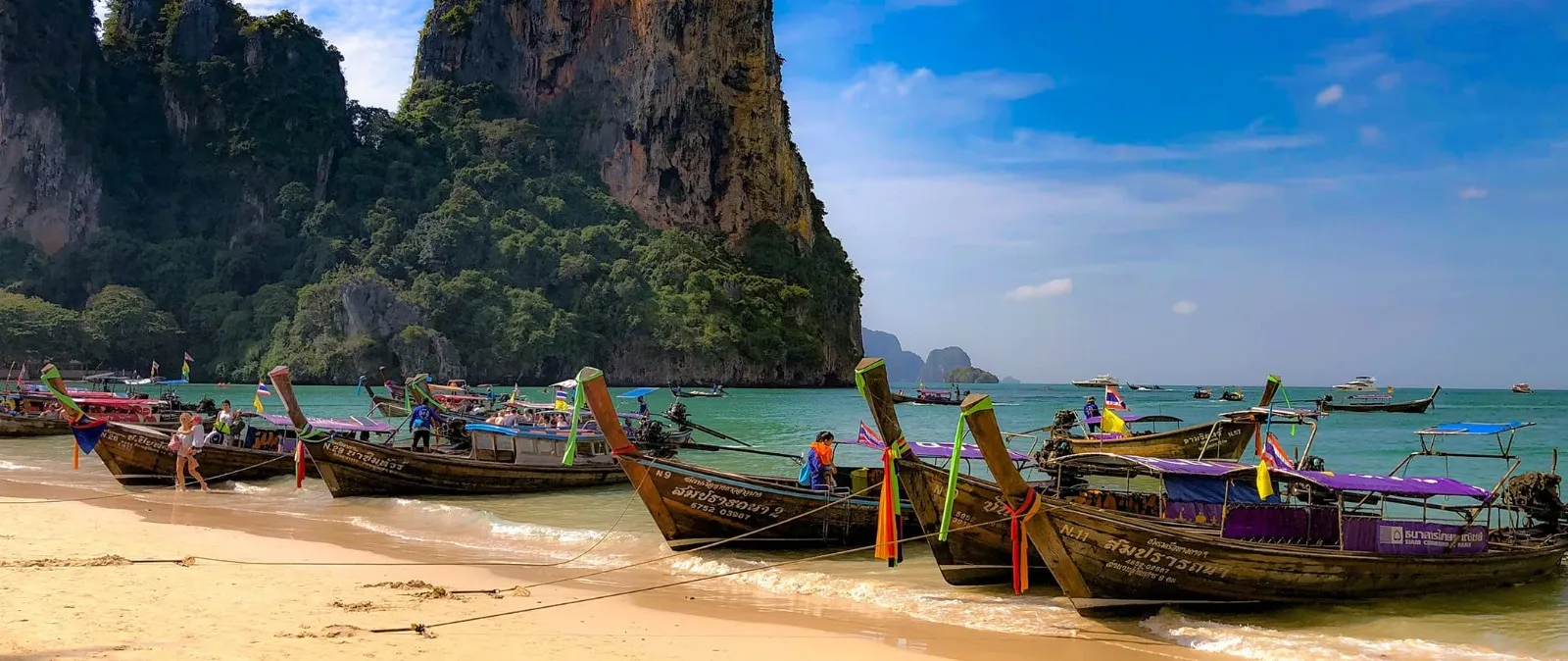
Krabi is famous for its breathtaking limestone cliffs and clear water. These limestone cliffs, which rise about 200 meters high, are both beautiful and adventurous. World-famous beaches such as Railay Beach and Ton Sai Beach attract nature lovers and offer a relaxed vibe. Some beaches, like Railay, are only accessible by long-tail boats, making it perfect for adventure seekers.
e. Koh Samui:
Koh Samui has a vibrant nightlife ranging from wild to relaxed. This area is also known for its great food, cultural shows, and excellent cocktail bars. Must-visit places include Fisherman’s Village in Bophut, Chaweng Beach, Lamai Beach, and the option to enjoy fresh seafood around the island.
Ultimate Best Beaches in Thailand for Peaceful Escapes, Relaxation, Thrills & Adventure
9. Navigating Thailand: Flights, Trains, Buses, Tuk tuks, and Boats/Ferries
It’s time to learn about the Thai government-supported transport network.
Airports:
Suvarnabhumi Airport is the primary and major airport of Bangkok, along with Don Mueang International Airport, which is a low-cost hub for budget travelers. Note that at Don Mueang, there is a restriction of 7 kg baggage only, and excess baggage is charged at 400 Baht per kg.
Trains:
Trains are the safest and most affordable mode of transportation between cities in Thailand, though delays are quite common. It is better to book trains in advance, up to 90 days prior, especially during peak traveling season.
Buses:
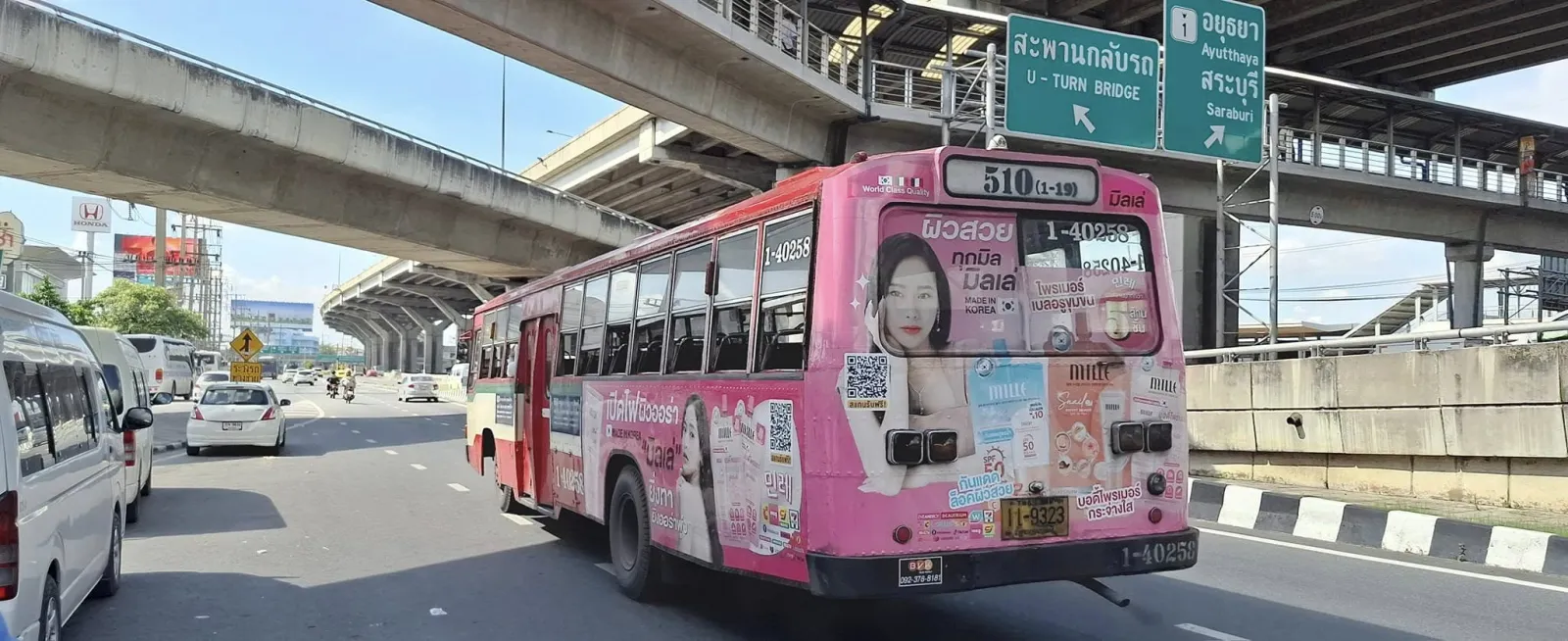
Buses are a cost-effective and cheap way to travel between cities. Payment is cash only. Buses are used by most locals and are crowded between 7 am to 9 am and 5 pm to 7 pm.
Tuk tuks:
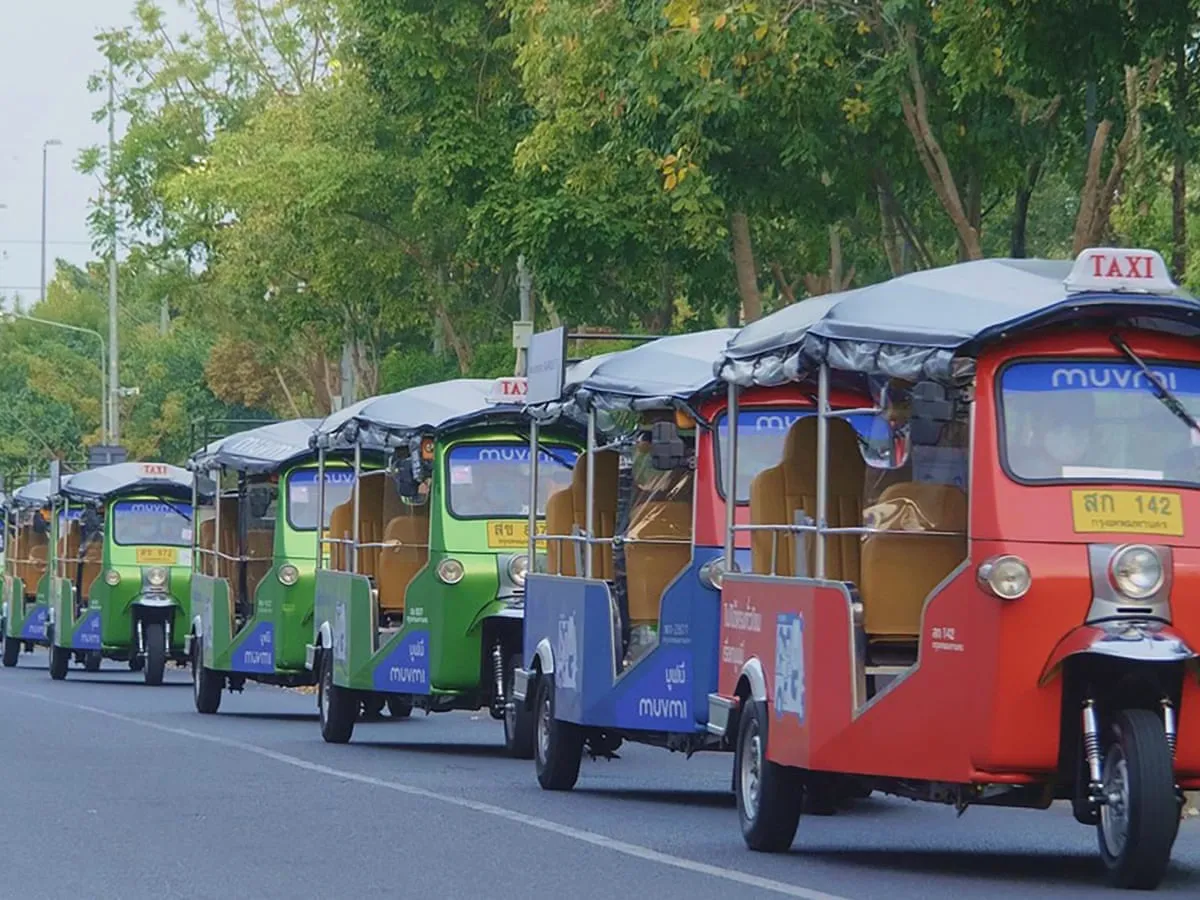
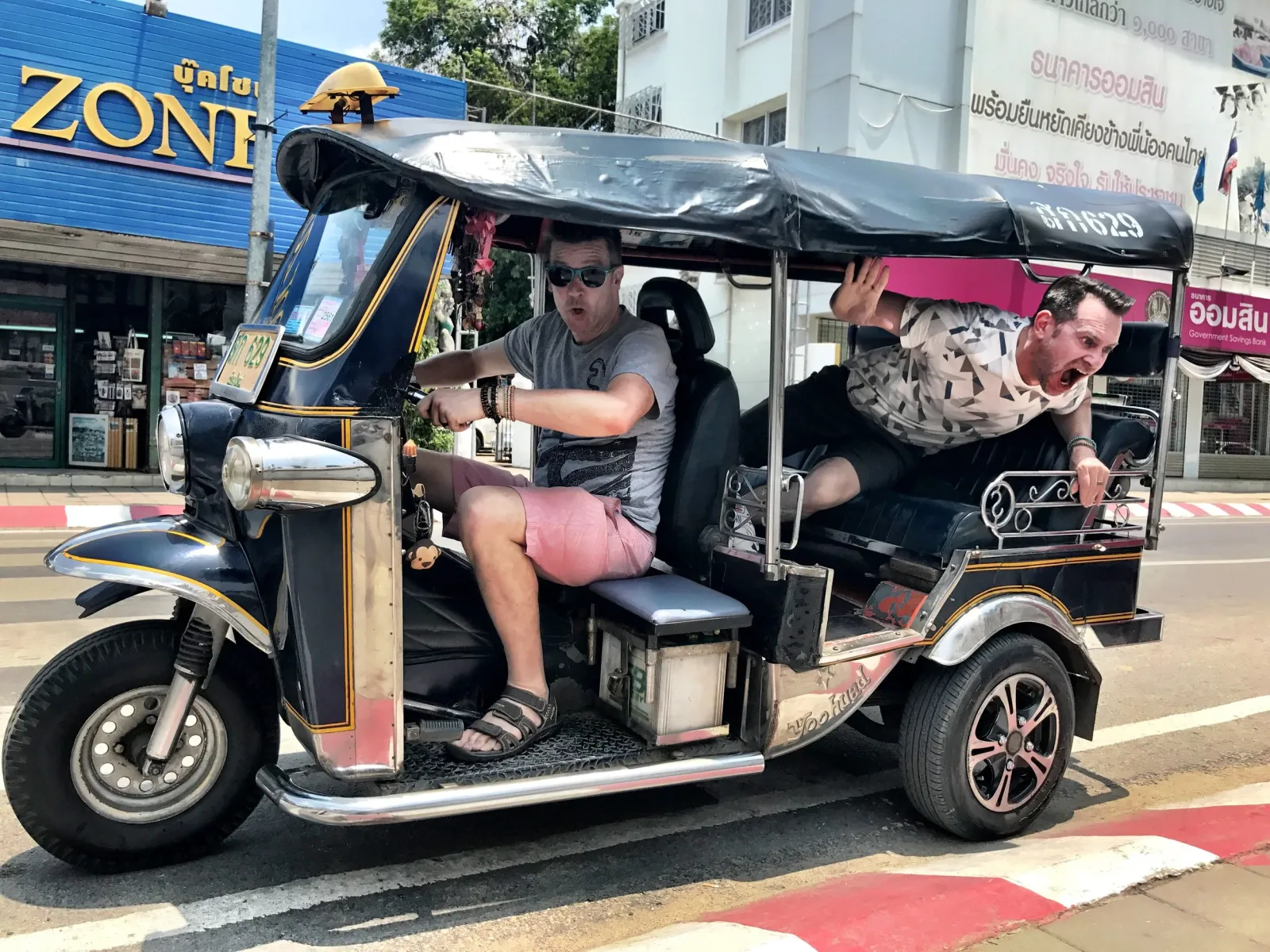
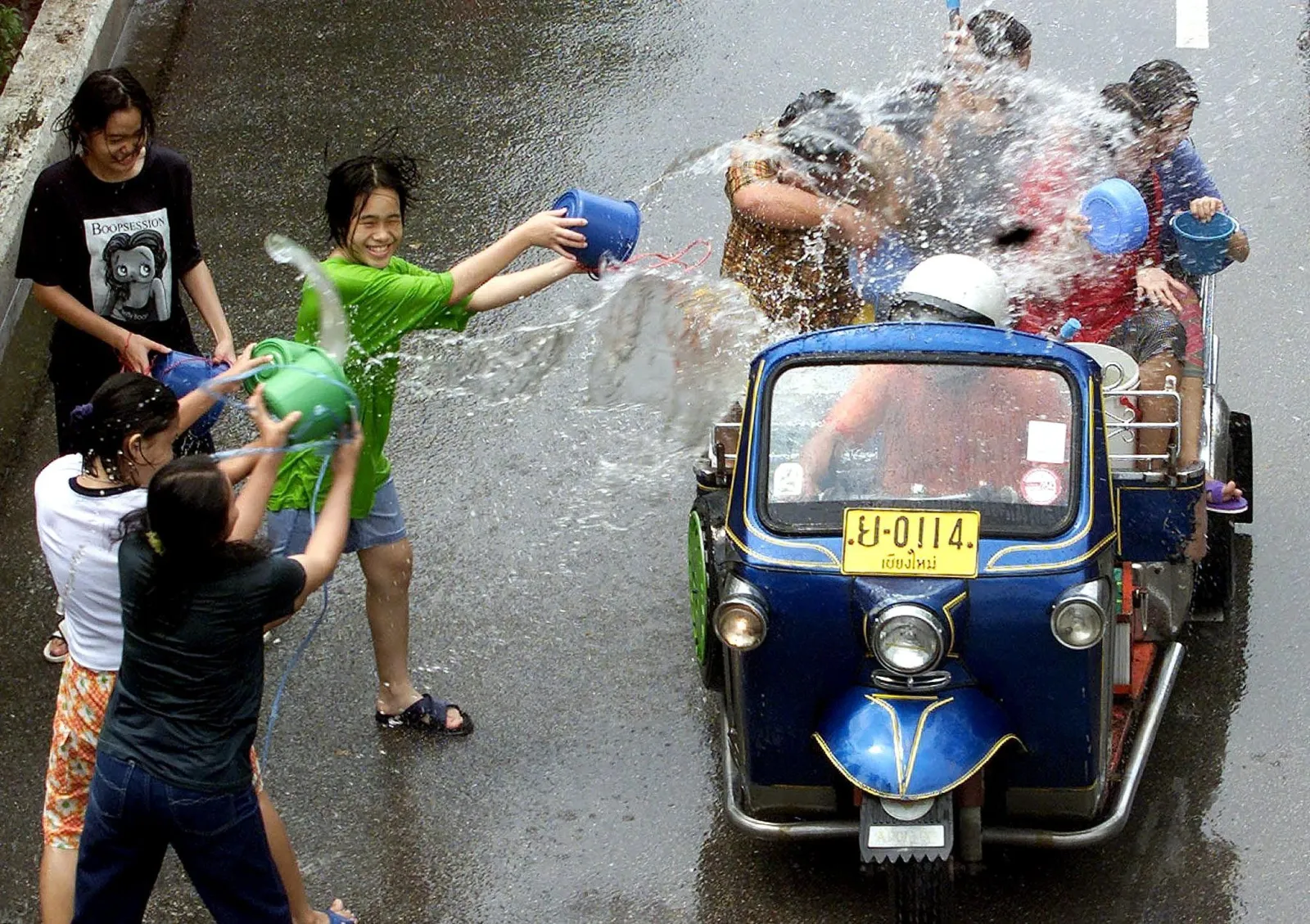
Tuk tuks are freely available throughout Thailand for short trips. This is the time to negotiate with the drivers and try to agree on roughly half of the initially demanded fare. Payments are cash only.
Grab App:
Grab App is very convenient as it supports the English language. Be vigilant and avoid drivers making tailored stops at gem shops.
Boats and Ferries:
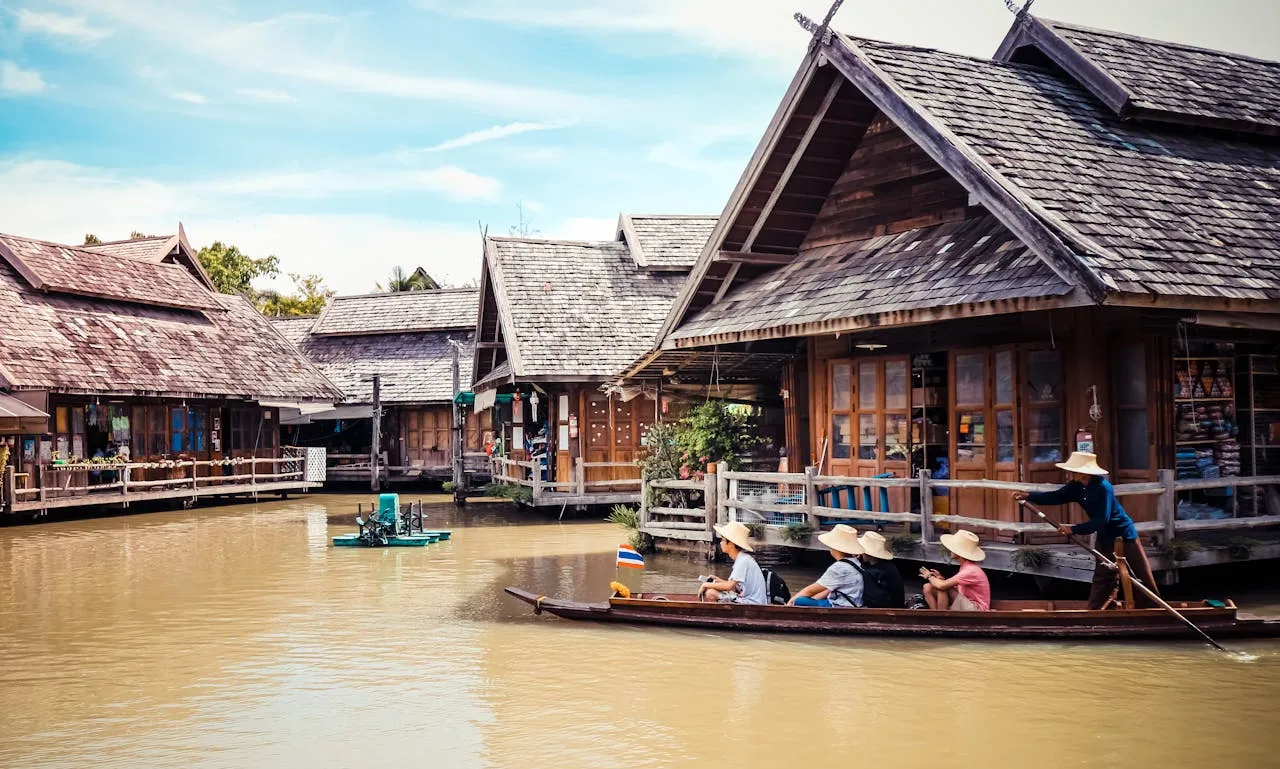
Ferries can take you across rivers, long-tail boats can be hired for short water paths, and speed boats are available for island hopping. Traveling by ferry or boat is a wonderful and memorable experience.
Must-Have Travel Apps for Thailand: Navigation, Booking & Translation
10. Choosing the Right Accommodation for Your Style
Hotels, host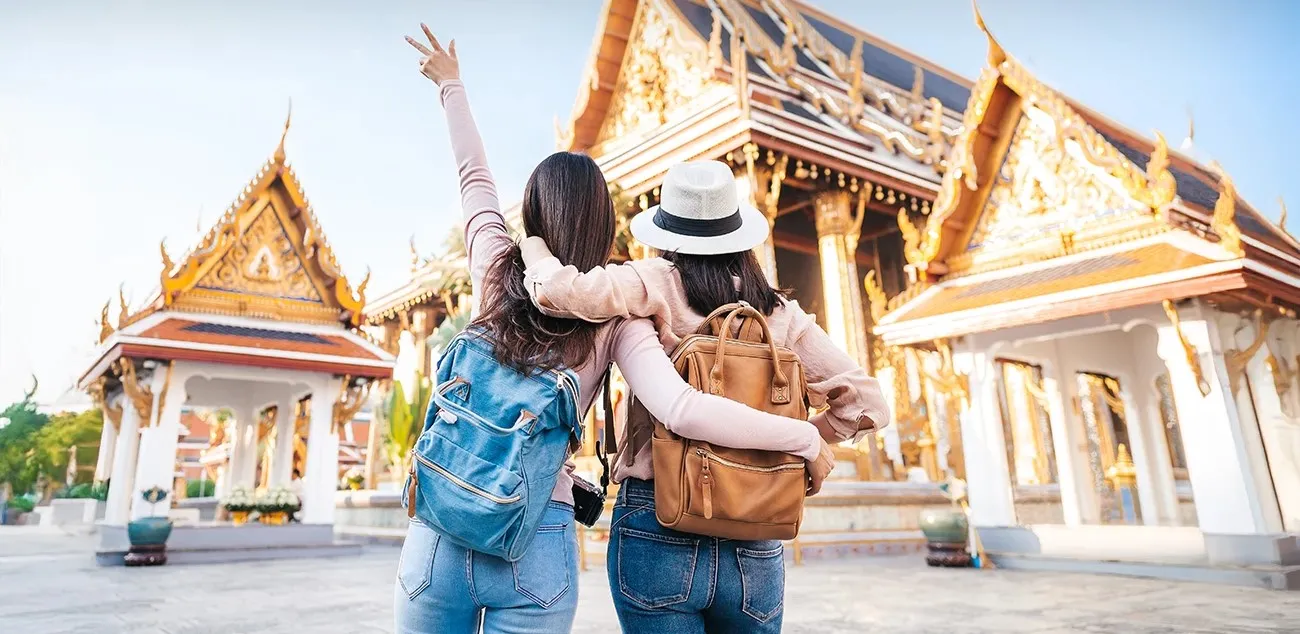 els, or resorts can be chosen based on your preferences, desired atmosphere, and budget. Where to stay in Thailand is very important, as certain areas are famous for specific reasons:
Bangkok:
-
Sukhumvit Road: Known for nightlife and dining, especially food stalls.
-
Siam District: The center of Bangkok, famous for shopping malls and plazas.
Both areas are excellent for first-time visitors.
Chiang Mai:
-
Old City: Ideal for those who love historic culture.
-
Nimman: Famous for thrilling nightlife with clubs, cafes, and rooftop pools.
-
Riverside: Best for couples along the Ping River.
Phuket:
-
Kata/Karon: Best for beach lovers.
-
Patong: The heart of Phuket, ideal for family visits.
-
Old Town: Famous for old culture, unique boutiques, and local cuisine.
Krabi:
-
Ao Nang: The main tourist hub, best for first-time visitors and island hopping.
-
Railay Beach: Ideal for a romantic atmosphere, only accessible by boat.
Koh Samui:
-
Chaweng/Lamai: Best for nightlife lovers.
-
Bophut/Mae Nam: Perfect for a family-friendly atmosphere.
Phuket vs Krabi: Which Is Better for Beaches, Activities and Value?
11. Beginner’s Introduction to Thai Cuisine
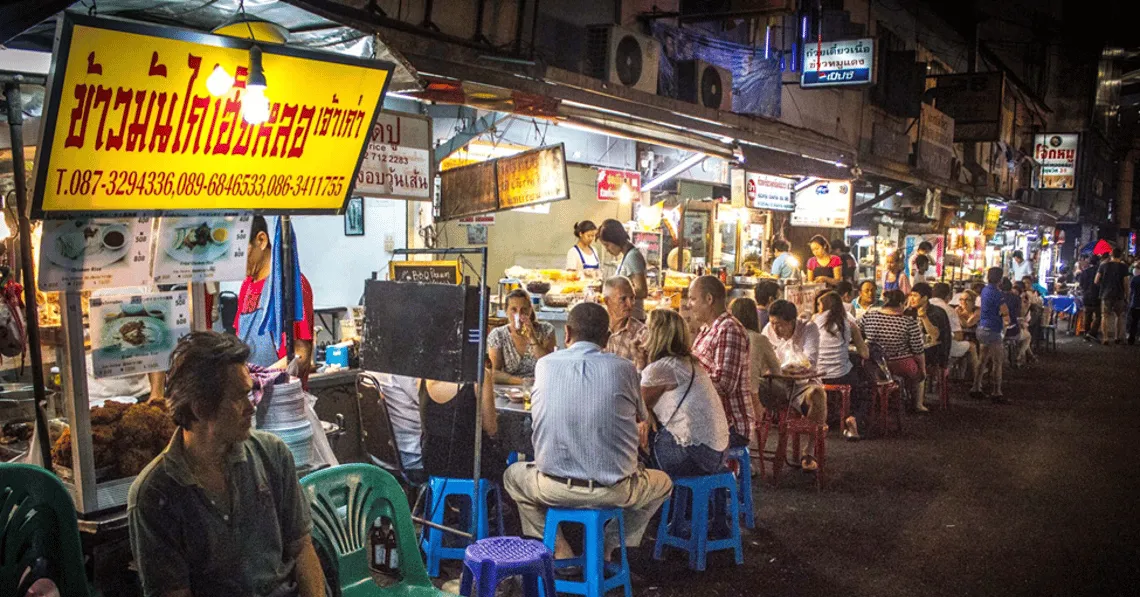
This Thai food guide will help first-timers enjoy the right dishes. Thailand is famous worldwide for its cuisine due to a perfect balance of sweet, sour, salty, and spicy (the 4 S) in its dishes.
Street food is safe, so enjoy it with the lively atmosphere.
-
Pad Thai: A famous noodle dish available all over Thailand, with slightly different but delicious flavors in each region.
-
Jasmine Rice: Served with almost all dishes.
-
Mango Sticky Rice: A popular dessert loved by locals and tourists alike.
-
Other famous dishes: Tom Yum Goong (soup with lime), Green Curry, Som Tum, Massaman Curry.
Remember to try fresh seafood and adjust your tolerance for spices, as many Thai dishes are very spicy.
Tip: Eat fresh fruit daily between lunch and dinner to help with digestion and spice tolerance.
Top 15 Thai Desserts You Have to Try
12. Safety, Scams & Smart Travel Habits – The Most Important
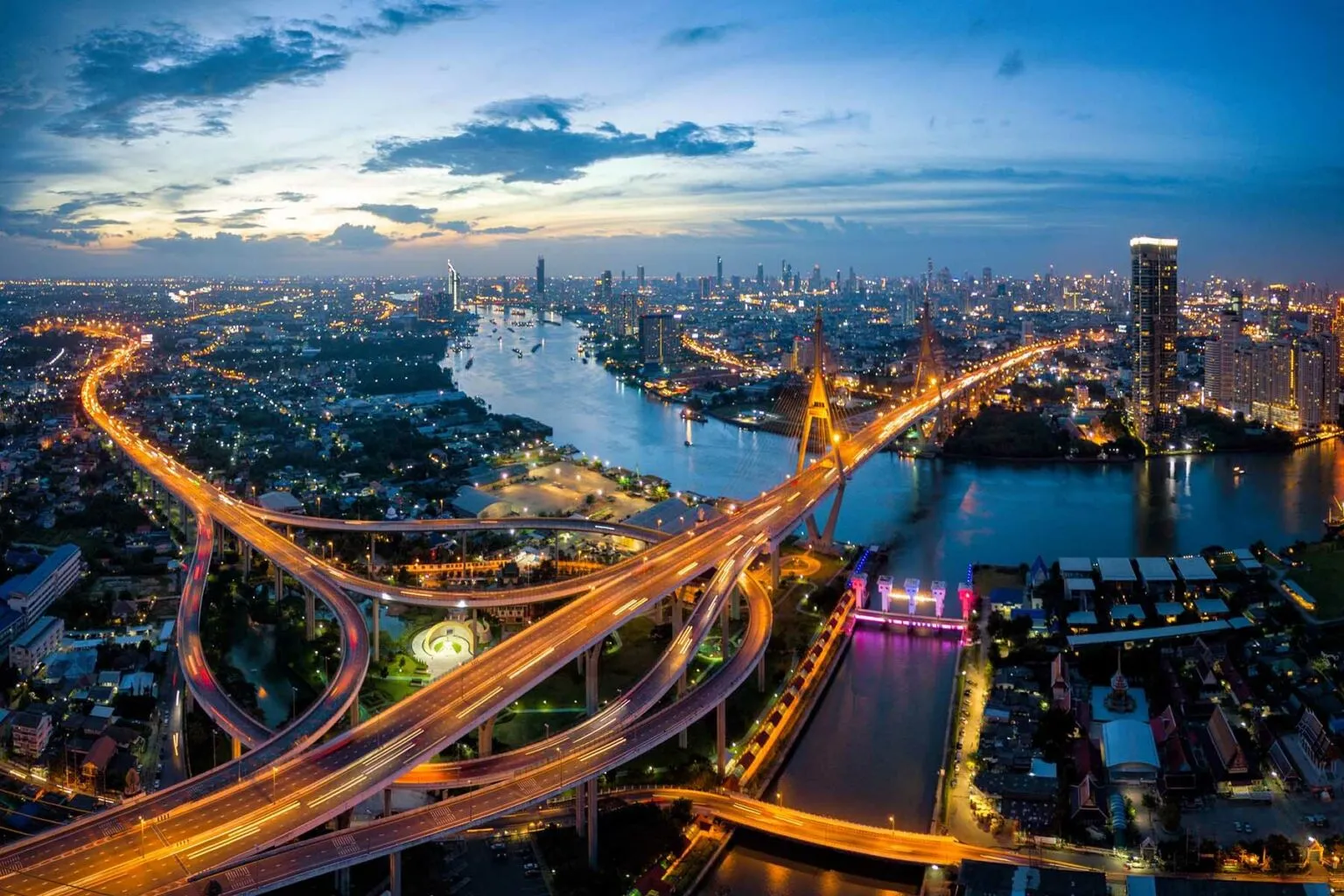
Is Thailand safe for tourists? This is usually the first question that comes to mind when the country name “Thailand” is seen or heard. The answer is that it is generally safe if you take the same precautions you would in your own city. Pickpocketing and bag snatching are common in all big cities around the world.
Tourism is one of Thailand’s biggest industries, and the government takes the safety of international tourists very seriously. For example, if you call a massage or sex worker to your hotel, the worker must first inform the hotel administration. When leaving, the worker reports again, and the hotel calls your room to confirm two things: first, that the worker left with your permission, and second, that nothing is missing. Only then does the hotel management let the worker leave the building.
Common scams in Thailand include cab or tuk tuk drivers forcing stops at gem stores or taking longer routes to overcharge. If someone tells you a popular tourist attraction is closed, do not believe them.
Smart travel habits in Thailand:
-
Use the Grab app for rides, which supports English
-
Always carry a copy of your passport
-
Keep cash for local spots
-
Wear appropriate clothing for temple visits
-
Do not touch monks
-
Stay hydrated
Common Scams in Thailand and How to Avoid Them Completely
13. Health Advice & Travel Insurance Basics
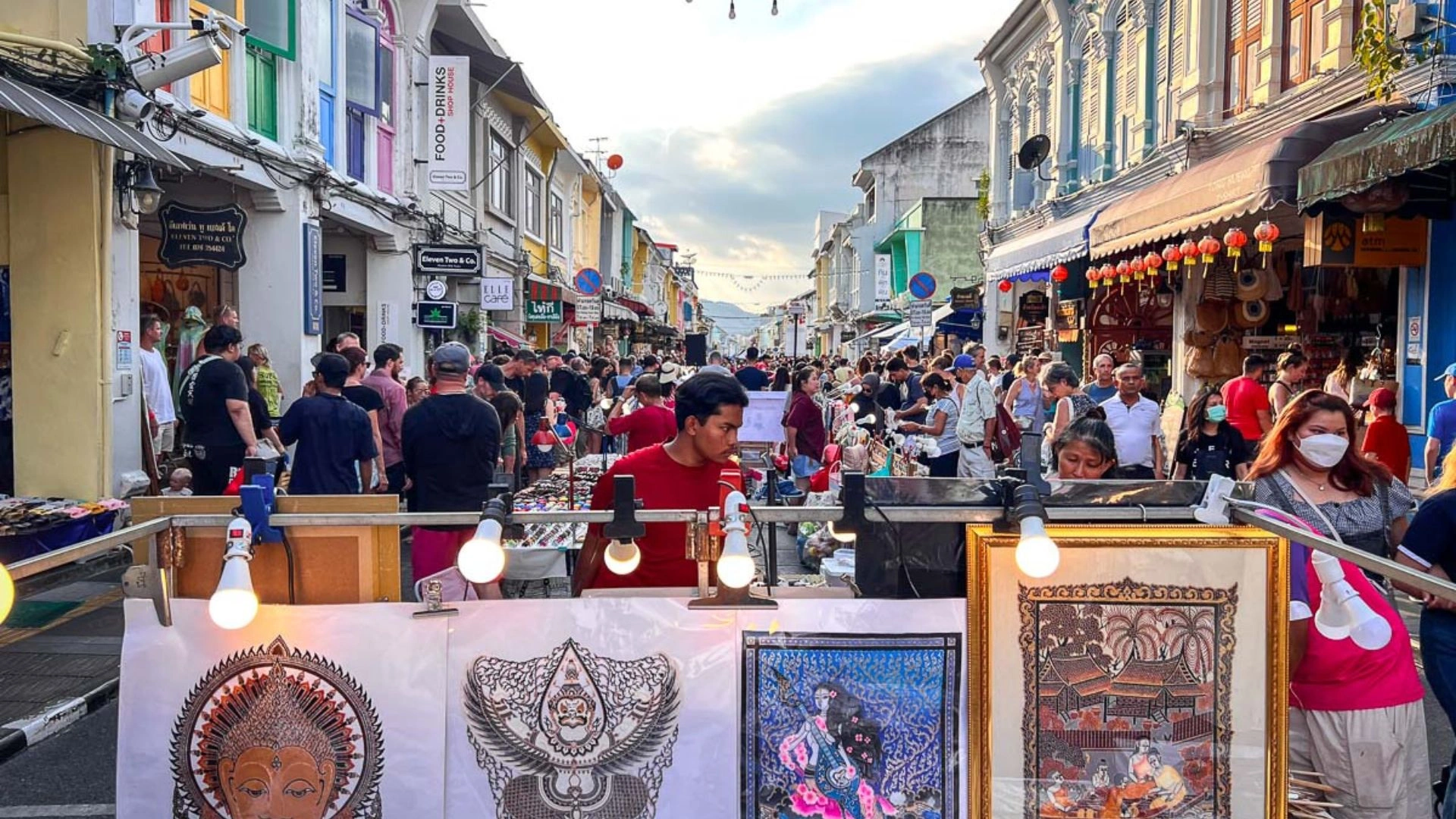
Health advice:
-
Drink only bottled water and avoid ice
-
Use mosquito repellent
-
Be careful of smog in some areas
It is recommended to have travel health insurance, as Thailand has highly developed and modern hospitals but medical care can be expensive. Some activities like scuba diving, trekking, or motorbike riding can be dangerous, so take extra precautions.
14. Packing Smart for Thailand’s Weather & Culture
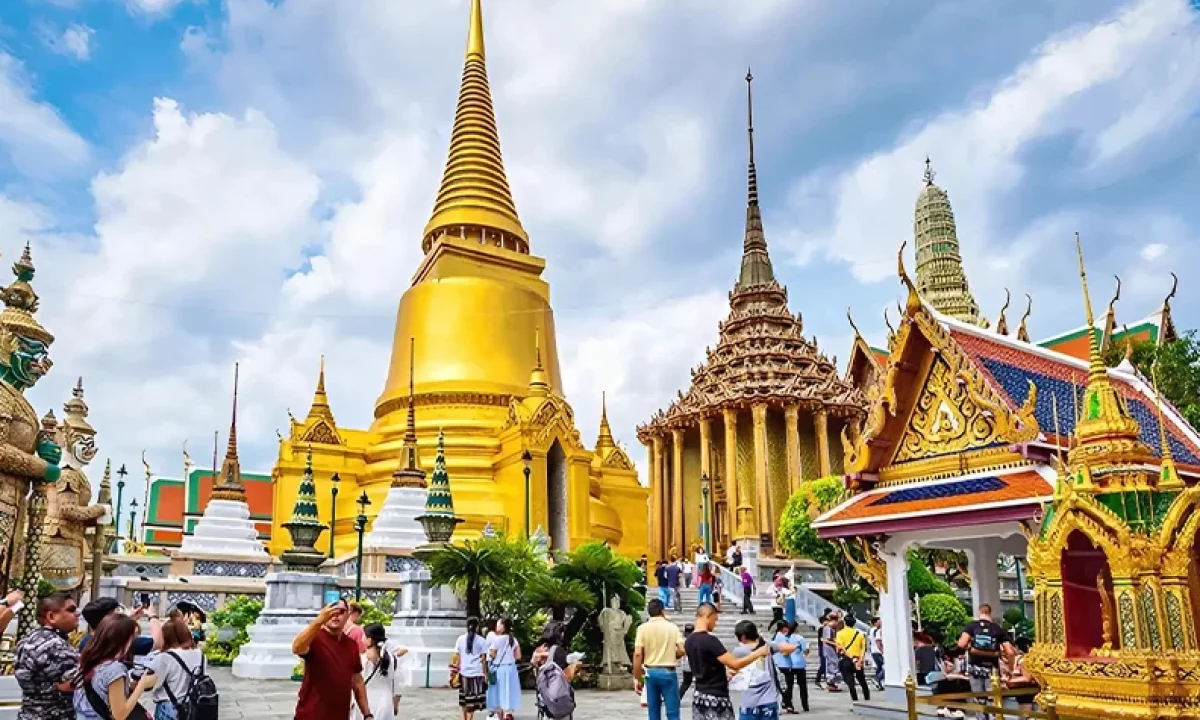
Packing for Thailand is important. Consider breathable clothing such as cotton or linen, which are best for high heat and humidity. Casual wear like long trousers, t-shirts, and shorts is ideal unless on an official visit.
What to Pack for Thailand: Season-by-Season Packing List (Complete Guide)
Bring beachwear and a raincoat if traveling during the rainy season. Sneakers are best for walking, and hiking shoes and equipment are recommended if you plan to trek. The advice is to pack light and buy what you need locally.
Complete Thailand Packing List & Travel Checklist for First-Timers
15. Cultural Etiquette: Do’s and Don’ts for Travelers and Visitors
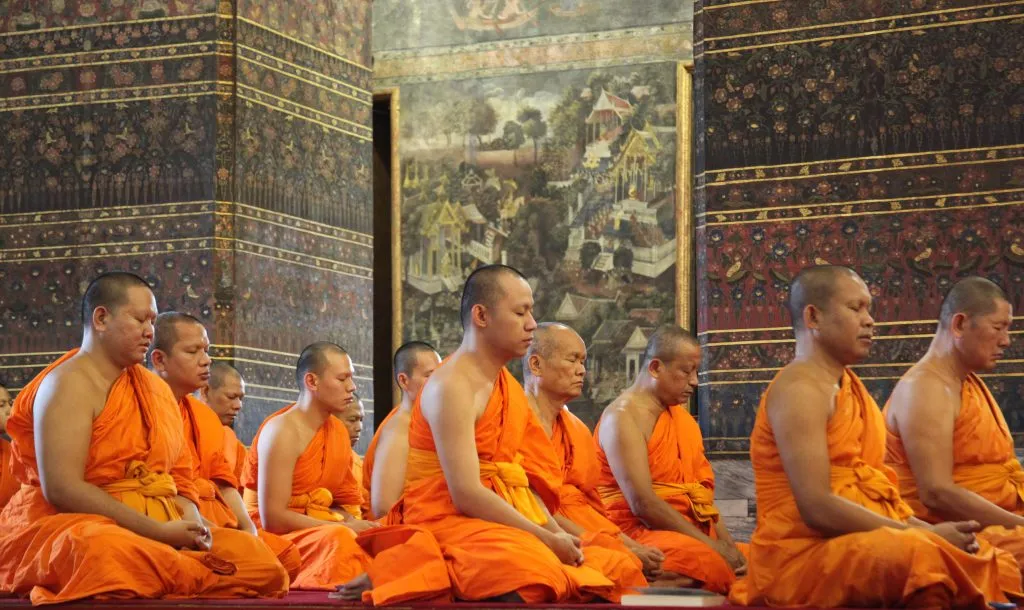
Respecting elders and monks is the most important cultural etiquette in Thailand.
-
The Wai is the traditional way of paying respect. It is a slight bow with both hands together at chest level.
-
The head is considered the highest and most respected part of the body, so do not touch the heads of local people.
-
The feet are considered unclean, so do not point them at temples or Buddha statues. Climbing on Buddha statues is unacceptable.
-
Cover shoulders and knees while visiting temples or religious sites.
-
Remove your shoes when entering local homes or temples.
-
Never speak negatively about the Thai royal family.
-
Use humble behavior, do not shout in public, and control anger.
-
Use your right hand for eating, passing, or receiving items.
Thailand Travel Tips: Essential Do’s and Don’ts Every Tourist Should Know
16. Helpful Travel Apps & Digital Tools
-
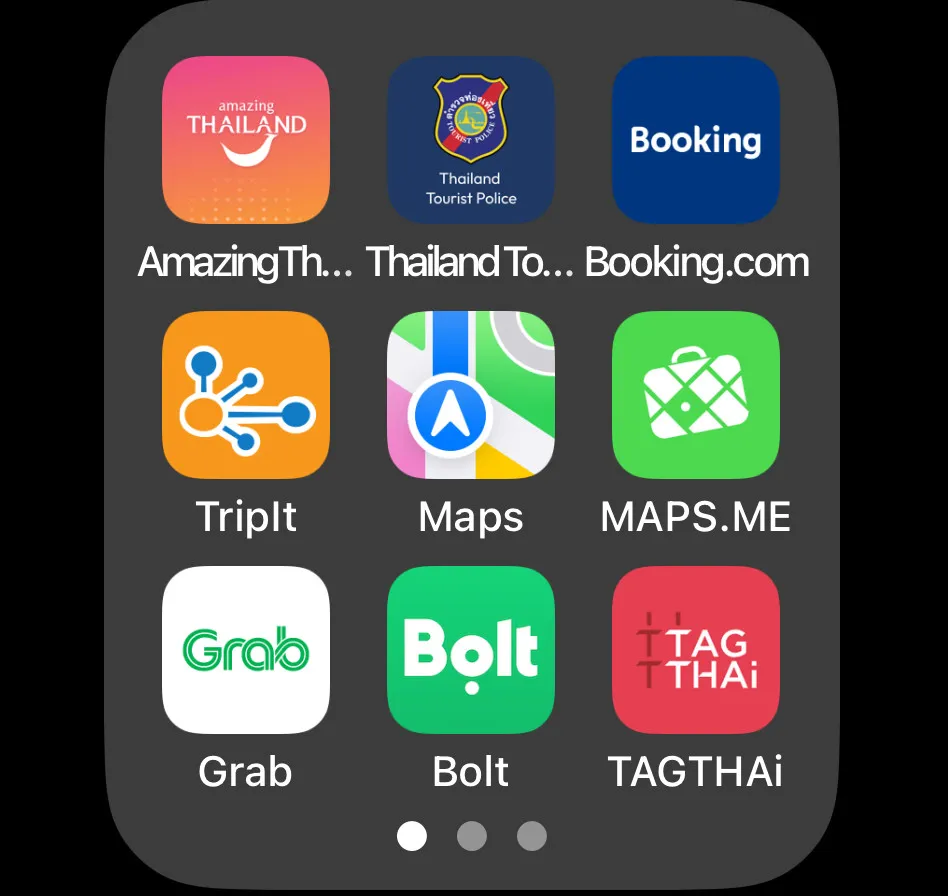
Grab and Bolt are widely used for taxis and bike rentals. Grab supports English.
-
Google Maps is useful for navigation and local information.
-
12Go Asia is good for booking trains and ferries.
Must-Have Travel Apps for Thailand: Navigation, Booking & Translation
17. Avoiding Common First-Time Travel Mistakes
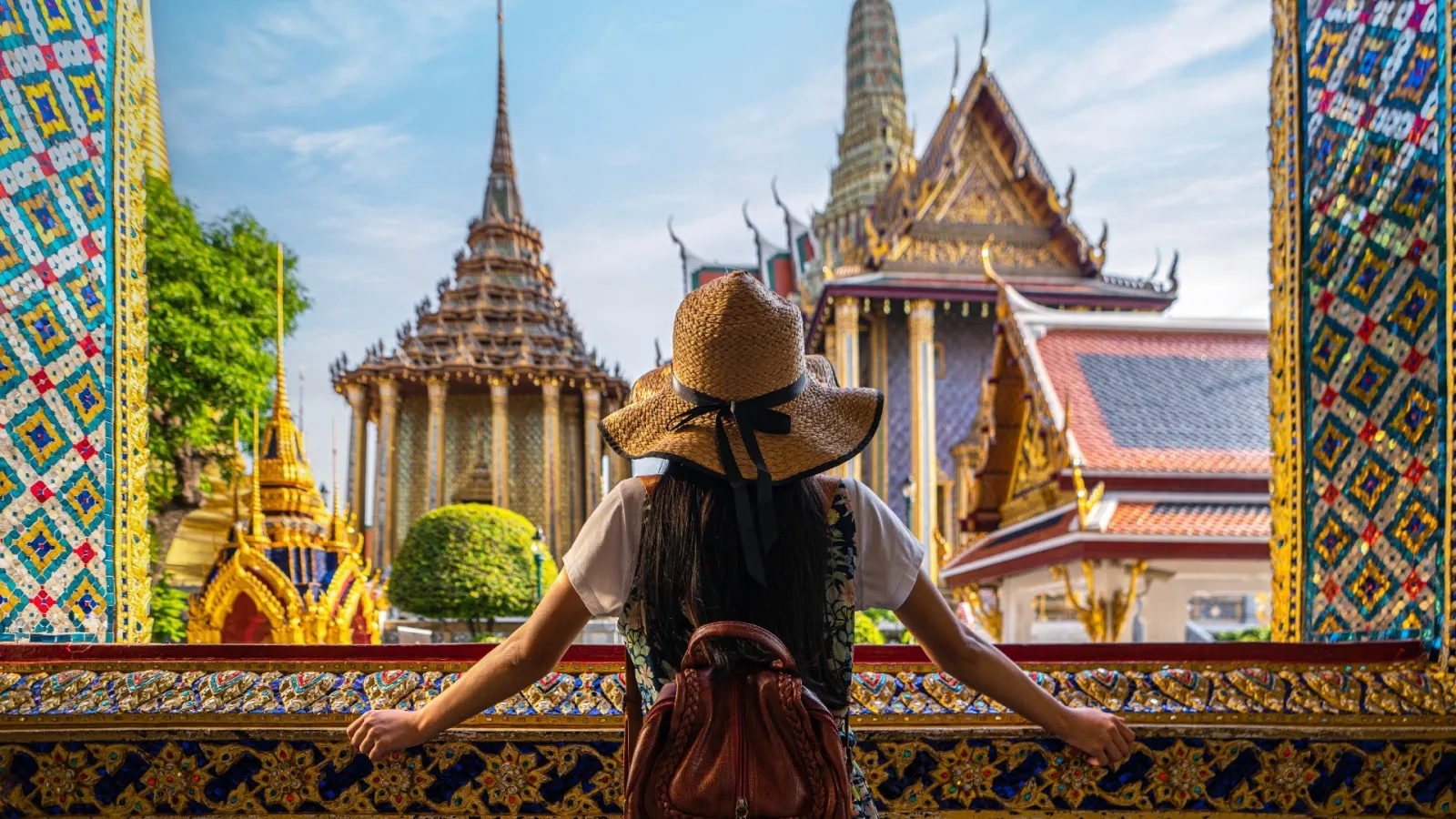
When you respect the local culture of Thailand and plan smartly while staying safe, you can avoid the common mistakes of first-time travelers.
Common mistakes:
-
Not covering shoulders and knees in temples
-
Touching the heads of locals
-
Touching monks
-
Climbing on Buddha statues
-
Sitting toward a Buddha statue or showing your feet to the Buddha
-
Drinking tap water
Do’s:
-
Respect the national anthem of Thailand; stand still and do nothing when it is playing
-
Do not disrespect the royal family of Thailand
-
Do not vape or use e-cigarettes
-
Bargain when shopping in markets and with tuk tuk drivers
18. Frequently Asked Questions
Here are some common questions first-time travelers ask about visiting Thailand, along with clear answers to help you plan your trip better.
1. Is Thailand safe for first-time travelers?
Yes, Thailand is generally safe for tourists if you take normal precautions as you would in your own city. Be cautious of pickpocketing in crowded areas, use trusted taxis or the Grab app, respect local customs, and avoid risky situations.
2. What is the best time to visit Thailand?
The best time to visit Thailand is during the cool and dry season from November to February. This period offers pleasant weather, low rainfall, and many Thai festivals. March to May is hot but great for beaches, while June to October is the rainy season with lower costs and fewer tourists.
3. How many days are ideal for a first-time trip to Thailand?
For first-time visitors, 10 to 14 days is ideal to explore major destinations like Bangkok, Chiang Mai, Krabi, Phuket, and Koh Samui. This allows time to experience both cultural attractions and beaches without feeling rushed.
4. What are the Thailand visa requirements for tourists?
Thailand offers simple visa rules for many nationalities. Most visitors need a valid passport, a Thailand Digital Arrival Card (TDAC), proof of hotel booking, a confirmed return ticket, and proof of funds. Some countries enjoy visa exemption or visa on arrival. Always check your specific country’s requirements before traveling.
5. How much does it cost to travel in Thailand?
Thailand is very budget-friendly. A backpacker can spend around $30–$60 per day, a budget traveler around $60–$120 per day, and a luxury trip can exceed $150 per day, covering accommodation, food, transportation, and activities. Street food is affordable, and hotel options range from budget to luxurious.
6. What are the must-visit destinations in Thailand for beginners?
Top destinations include:
-
Bangkok: Grand Palace, Wat Pho, Wat Arun, Chinatown, Khao San Road
-
Chiang Mai: Doi Suthep Temple, Elephant Sanctuaries, Doi Inthanon National Park
-
Phuket: Patong, Kata, Karon Beaches, Coral Island
-
Krabi: Railay Beach, Ton Sai Beach, limestone cliffs
-
Koh Samui: Chaweng, Lamai, Fisherman’s Village
7. What is the best way to get around Thailand?
Thailand has a reliable transport network: domestic flights, trains, buses, tuk tuks, long-tail boats, and ferries. Use the Grab app for safe taxi rides. Train travel is safe and affordable, buses are cost-effective, and tuk tuks are great for short distances if you negotiate fares.
8. What should I eat in Thailand?
Thai cuisine is famous for its balance of sweet, sour, salty, and spicy flavors. Must-try dishes include Pad Thai, Tom Yum Goong, Green Curry, Massaman Curry, Som Tum, Mango Sticky Rice, and fresh seafood. Street food is safe, and always eat fresh fruit between meals to help with spice tolerance.
9. How can I stay safe and avoid scams in Thailand?
-
Avoid taxis or tuk tuks forcing stops at gem shops
-
Use the Grab app for rides
-
Respect local culture and customs
-
Keep copies of your passport and carry cash for small expenses
-
Dress appropriately for temple visits and stay hydrated
10. What should I pack for Thailand?
Pack light, breathable clothing like cotton or linen. Bring beachwear, a raincoat if visiting in the rainy season, sneakers for walking, and hiking shoes if trekking. Cover shoulders and knees for temples and religious sites.
Conclusion
Thailand is a perfect destination for first-time travelers, offering a unique blend of culture, natural beauty, adventure, and world-class cuisine. Whether you are a backpacker, budget traveler, or planning a luxury trip, Thailand has something for everyone—from bustling cities and ancient temples to stunning beaches and serene islands.
By planning your trip carefully, respecting local customs, choosing the right accommodations, and following smart travel tips, you can enjoy a safe, memorable, and unforgettable experience. With the right preparation, a trip to Thailand can be one of the most exciting and life-enriching journeys you will ever take.
So pack your bags, explore the wonders of Thailand, and create memories that will last a lifetime.

Zach Cameron & Zahid Karim
Travel Analyst | 11+ years experience




Community Insights
Join the conversation
Login or create an account to share your thoughts and react to comments.